Why Invasive Brush Can Grow Back After Forestry Mulching on Connecticut Shoreline Properties

Mike James • September 29, 2026

Why This Decision Matters More on CT Shoreline Properties

Forestry Mulching Opens the Site but May Not Kill Every Plant

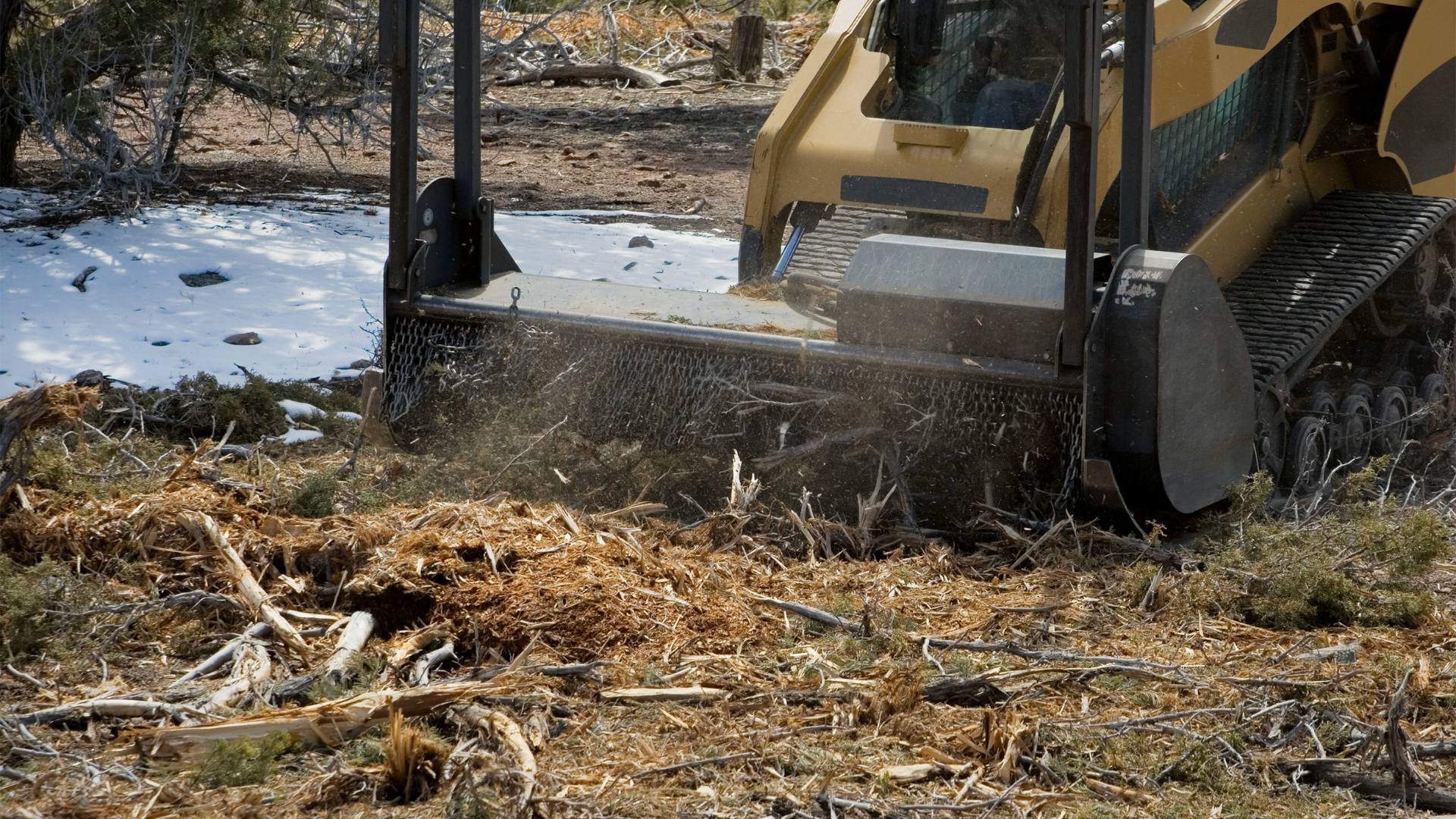
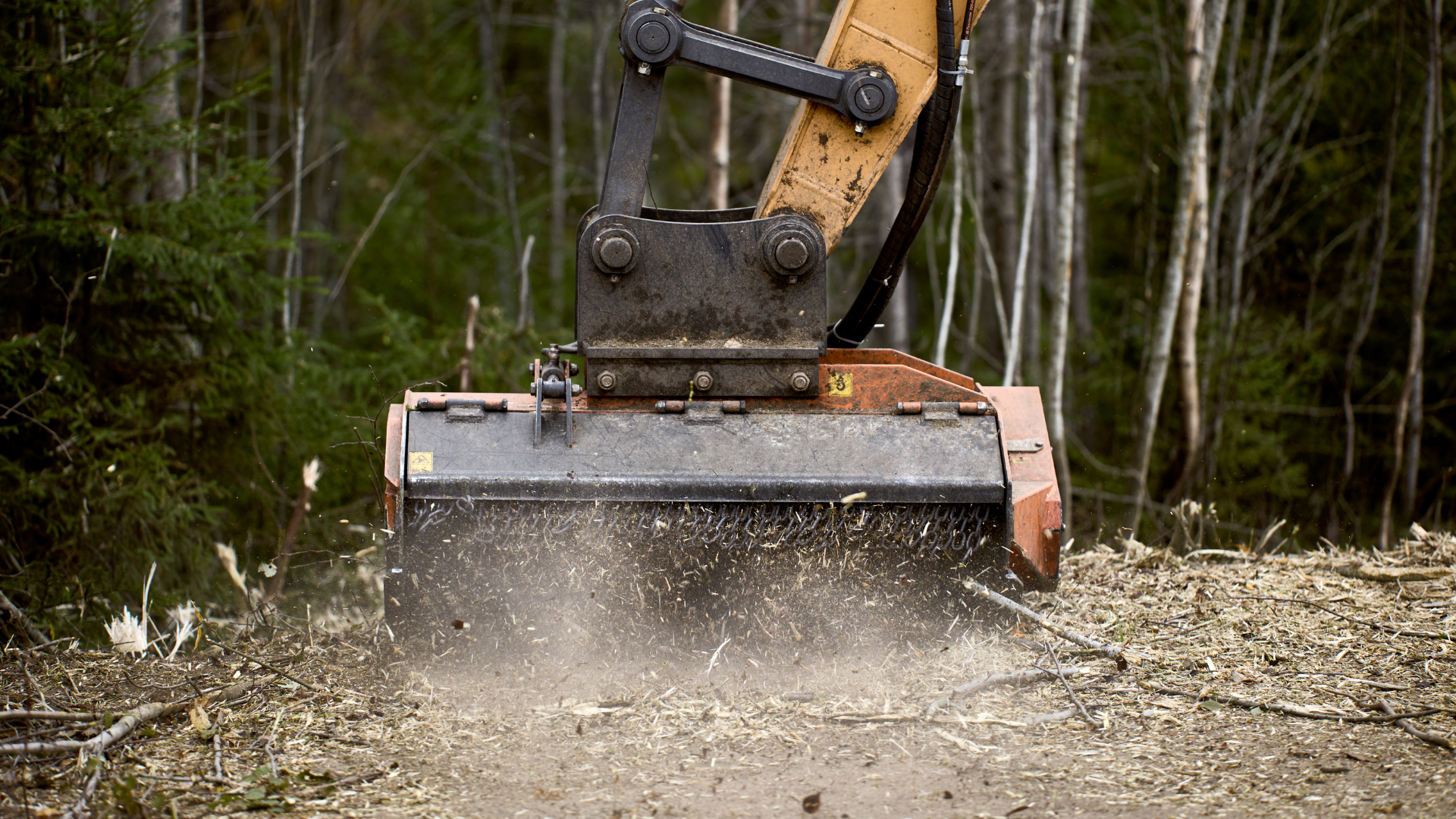
Forestry mulching turns dense brush, vines, saplings, and small woody growth into manageable material in one operation. The machine creates access, reduces hauling, and leaves an organic layer rather than a stripped surface. It does not automatically remove every root, rhizome, buried seed, or living crown below the cutting height. A cleared appearance after mulching is the beginning of invasive vegetation management, not always the end.


This distinction is especially important when a Clinton property contains aggressive perennial vines or woody shrubs. Plants that store energy below ground can send up new shoots after their stems are cut, while seeds already in the soil may germinate once sunlight reaches the opened area. Birds and neighboring infestations can also introduce new seed after the work is complete. White Oak Tree & Landscaping's land clearing and forestry mulching service evaluates the vegetation and intended use before recommending a one-time clearing or longer follow-up plan.


Regrowth Comes From Several Different Sources

Not every green shoot after mulching means the original work failed. Some plants resprout from a living root crown, some spread through underground roots or rhizomes, and others return from seed that was already present. New growth can also enter from untreated edges or vines left in adjacent tree canopies. Identifying the source matters because mowing seedlings, cutting woody sprouts, and managing a spreading root system require different timing and persistence.


The site change can influence what appears next. Removing canopy increases light and may warm the soil, favoring fast-growing plants suppressed before clearing. Disturbed or compacted spots may also favor opportunistic species over slower native vegetation. The follow-up plan should respond to the species and growth form, not treat all regrowth as the same brush.

Regrowth Source What It May Look Like Management Implication
Living stump or root crown Clusters of shoots around the original stem Repeat cutting or species-appropriate treatment may be needed
Rhizomes or spreading roots Shoots appearing away from the original plant Monitor a wider area than the visible first patch
Soil seed bank Many small seedlings after soil receives light Prevent new plants from maturing and producing seed
Seed from nearby plants New seedlings concentrated near untreated edges Address seed-producing plants and monitor boundaries
Vine remaining in a canopy Green growth above a cleared understory Separate climbing stems safely and protect the host tree
Desired native regeneration Mixed seedlings from retained plants Identify before cutting so useful recovery is preserved

Oriental Bittersweet Shows Why One Pass May Not Be Enough

Asiatic bittersweet, commonly called oriental bittersweet, is a woody vine that can climb into trees, add weight, shade foliage, and constrict stems. Cutting or mulching the vine at ground level stops the immediate connection between roots and canopy, which can reduce pressure on the host tree and make the site accessible. However, the root system may remain alive after the top growth is removed. Pulling hanging vines immediately can also dislodge branches, so vines in a canopy should be handled according to their position and risk.


The Connecticut Invasive Plant Working Group states that bittersweet can resprout unless cutting is repeated often enough to exhaust its root stock. UConn's guidance also treats cutting as useful for small populations, pretreatment of impenetrable areas, and locations where herbicide cannot be used. This makes forestry mulching a practical first-stage tool for dense infestations, but not a promise that every root has died. A monitoring calendar should begin as soon as new shoots become identifiable.


  • Mark heavy bittersweet zones before mulching so they can be revisited.
  • Separate vines from desirable trunks at ground level without tearing at the canopy.
  • Watch for sprouts around old crowns and beyond the original visible patch.
  • Prevent fruiting vines on untreated edges from reseeding the cleared ground.
  • Photograph follow-up areas from consistent locations to compare density.
  • Use species-specific guidance before choosing repeated cutting or treatment.


Mechanical Clearing and Long-Term Control Serve Different Purposes

Mechanical clearing quickly reduces height, density, and access barriers across an overgrown site. That creates the working room needed to locate root crowns, inspect retained trees, map wet areas, and distinguish target species from desirable regeneration. Repeated mowing or cutting may gradually deplete some plants by forcing them to use stored energy for new growth. The number and timing of follow-up visits depend on the species, season, site goal, and whether additional methods are appropriate.


The Connecticut Invasive Plant Working Group's mechanical-management guidance notes that cutting or mowing can be the best option where invasive plants form large stands or extensive root systems. Its home-management resources also explain that repeated cutting can starve plant reserves over time, although regeneration may still occur after the initial cut. Chemical control, when considered, should follow the product label and applicable Connecticut rules and may require a licensed applicator. White Oak states that established infestations can be evaluated for coordinated mechanical work and licensed treatment rather than being presented as a guaranteed one-visit cure.


Build a Follow-Up Plan Around the First Growing Cycle

The first follow-up inspection should occur early enough to identify resprouts before they become woody, tangled, or seed-producing. Map where growth returns, note the dominant species, and compare it with the vegetation that was intentionally preserved. Areas with vigorous sprouts may need targeted cutting or treatment, while scattered seedlings may be manageable through hand removal or mowing. A blanket second pass can damage useful regeneration that is already competing with invasive plants.


Property owners should also decide what vegetation they want to occupy the cleared ground. A stable native edge, maintained trail, meadow, privacy planting, and future lawn each require a different mulch depth and maintenance schedule. Leaving the site without a desired replacement community gives invasive plants open space and light to reclaim. White Oak's property maintenance and landscape renovation service can help move a cleared area toward lawn, planting, or a maintained landscape where that is the goal.


A Practical Twelve-Month Follow-Up Checklist

  • Record target invasive species and their original locations before work.
  • Inspect the site after initial green-up and identify sprouts before cutting.
  • Revisit edges where untreated plants can spread seed or vines.
  • Keep access lanes open so follow-up does not require another major clearing.
  • Schedule repeated cutting according to the target species, not a generic date.
  • Use only labeled products and qualified applicators when treatment is selected.
  • Thin or redistribute mulch if it prevents the intended seed or planting contact.
  • Establish desirable ground cover or plantings suited to the finished use.
  • Photograph the same points through the year and adjust the next cycle.


Use a Decision Framework Instead of Expecting Zero Regrowth

The right response depends on how much growth returns and what the property owner wants from the land. A recreation trail can tolerate some low native vegetation, while a future lawn or fence route needs a more controlled surface. A woodland restoration may prioritize protecting desirable seedlings rather than keeping every square foot bare. Success should be measured against the intended land use and reduced invasive pressure, not the unrealistic expectation that nothing green will return.


Conditions differ across the region even when the same invasive species is present. Shoreline properties in Clinton, Westbrook, and Old Saybrook may combine compact residential access with wet pockets or coastal exposure, while larger wooded parcels in Killingworth and Essex can have broad seed sources along untreated edges. Those differences affect machine access, follow-up frequency, and whether selective hand work is practical. The decision should still be based on observed regrowth, site sensitivity, and the desired vegetation community.

Condition After Mulching Practical Next Step Decision Reason
Sparse seedlings in an accessible area Hand-pull or mow before seed production Low density does not justify broad retreatment
Dense sprouts from known woody crowns Schedule species-specific repeated control Living roots are driving the return
Regrowth mixed with valuable native seedlings Use selective hand or spot management Protects desirable competition and recovery
Vines returning around retained trees Cut and monitor individual crowns Prevents renewed canopy climbing
Large uniform invasive regrowth Evaluate integrated mechanical and licensed treatment Scale may require more than hand control
Repeated invasion from adjacent untreated land Maintain an edge-monitoring zone Seed and vines will continue entering the site
Cleared ground intended for lawn or planting Prepare soil and establish the planned cover Occupied ground is easier to manage than open space

Protect Soil and Desired Vegetation During Follow-Up

Repeated machine passes are not automatically the best response to every flush of growth. Operating when soil is saturated can cause rutting and compaction, while removing too much mulch can expose soil to runoff. Mulch that is excessively deep may also interfere with grass seed or planting plans, so redistribution may be more useful than another aggressive pass. Follow-up equipment should match the size and location of the regrowth rather than repeating the original clearing scope.


Retained trees need protection as access improves around them. Avoid striking trunks, piling mulch against root flares, or repeatedly driving over the same root zone. If invasive vines have damaged or loaded a tree, a separate tree assessment and removal service may be appropriate instead of assuming the tree will recover once vines are cut. Preserving stable canopy and encouraging suitable replacement plants can help reduce the open-light conditions that favor another invasive surge.


What Forestry Mulching May Cost in 2026

White Oak does not publish a fixed company rate for every Clinton forestry-mulching project. Its service page explains that pricing follows a free on-site assessment of vegetation density, terrain, access, acreage, and the result the owner wants. Follow-up invasive management may be a separate scope because species, regrowth pattern, timing, and chosen control method are not known from acreage alone. A useful proposal should explain the initial pass, expected finish, excluded work, and whether any monitoring or return service is included.


The figures below come from HomeGuide's forestry-mulching cost guide and provide broad national market context. They are not White Oak Tree & Landscaping prices, guarantees, or a Clinton project quote. Connecticut equipment transport, limited shoreline access, rocks, slopes, wet ground, selective work, and vegetation density can place a local estimate outside these ranges. Use the figures for early budgeting and compare contractors by complete scope rather than price per acre alone.


Estimated 2026 Market Context

Cost Item Published Market Range Scope Note
Forestry mulching per hour $125 to $300 Depends on vegetation and equipment type
Heavy brush and large-tree work $300 to $400 per hour More demanding than underbrush-only work
One-quarter acre $100 to $200 Minimum fees may make small projects cost more
One-half acre $200 to $400 Access and mobilization can control the total
One acre $400 to $800 Average national range for typical conditions
Dense overgrowth Up to $2,000 per acre Higher density reduces production speed
Typical minimum fee $400 to $600 Covers mobilization and equipment setup

Build a Forestry Mulching Plan That Includes Follow-Up

If invasive brush has overtaken a Clinton lot, property line, trail, or wooded edge, White Oak Tree & Landscaping can help separate the initial clearing from the longer management goal. Our team will assess the vegetation, terrain, access, trees to preserve, and the way you want to use the land afterward. We can recommend forestry mulching, selective clearing, individual tree work, and practical next steps without presenting one machine pass as a universal cure. You will receive written pricing based on the inspected property and defined scope.


Early fall is a useful time to map seed-producing vines and plan access before colder, wetter conditions limit what can be seen and reached. White Oak has served Connecticut Shoreline properties from its Clinton base since 1991 and provides forestry mulching in Clinton, CT and surrounding communities. Call (203) 429-5660 or request a free on-site assessment through the company website. The strongest project is one that clears the site now and makes the next growing cycle easier to manage.


Related Services & Pages

Land Clearing and Forestry Mulching

Property Maintenance and Landscape Renovation

Tree Removal

Stump Grinding

View Clearing

Share this article

Recent Posts

Excavator blade scraping dirt and dust on a forest trail
By Mike James • October 6, 2026
See five areas forestry mulching can reopen on Madison properties, how it works, what should remain, and how to plan the work safely before winter arrives.
Yellow backhoe loader with raised bucket on muddy ground near green trees and a building
By Mike James • October 6, 2026
Learn eight signs that overgrowth is hiding drainage, access, boundary, and safety problems on your Madison property before winter. Plan safe work now.
Orange compact loader clearing dirt on a dusty construction site
By Mike James • September 29, 2026
Learn how to plan property line clearing in Clinton, confirm boundaries, protect trees and wetlands, choose the right method, and understand likely costs.
Arborist in a red helmet climbing a tree with safety gear in a wooded area
By Mike James • September 22, 2026
Learn why fall is practical for reclaiming overgrown Madison property, choosing a clearing method, managing invasives, and planning the land's next use.
Overhead view of large tree branches around a trunk in a leaf-covered yard near a concrete walkway
By Mike James • September 22, 2026
Learn why mature Madison trees need attention before late-fall storms, which warning signs require trimming, and when removal may be the safer choice.
Front yard with tree debris and mulch, a worker near a house, and a fallen log by the curb.
By Mike James • September 15, 2026
Compare land clearing vs tree removal for overgrown Madison properties, including brush clearing, forestry mulching, lot clearing, and current local costs.
Worker using a chainsaw cuts a large tree branch while secured with ropes.
By Mike James • September 15, 2026
Compare tree removal vs trimming for Madison, CT properties, including pruning, hazardous trees, large removals, risk assessment, and current local costs.
Excavator clearing dry brush in a snowy field near bare trees
By Mike James • September 8, 2026
Learn 9 signs your overgrown Clinton property needs land clearing before fall rain, when forestry mulching fits, and what professional clearing may cost.
Dense green trees under a bright blue sky in a sunny forest clearing
By Mike James • September 1, 2026
Learn when early leaf drop signals tree stress in Connecticut, what yellow or brown leaves mean, and when a professional tree inspection makes sense now.
Hands planting a small sapling with a trowel in a garden bed at sunset
By Mike James • September 1, 2026
Learn why September is one of the best times to plant privacy trees in Connecticut, which species work best, how to space them, and what care matters.
Show More