A good
tree risk assessment is more useful than deciding from appearance alone. White Oak evaluates whether the problem is isolated to branches or whether the trunk, roots, and primary structure are already compromised. The recommendation should explain what can realistically be improved with pruning and what cannot.
When Tree Trimming or Pruning Is the Better Choice
The Tree Is Healthy but Overgrown
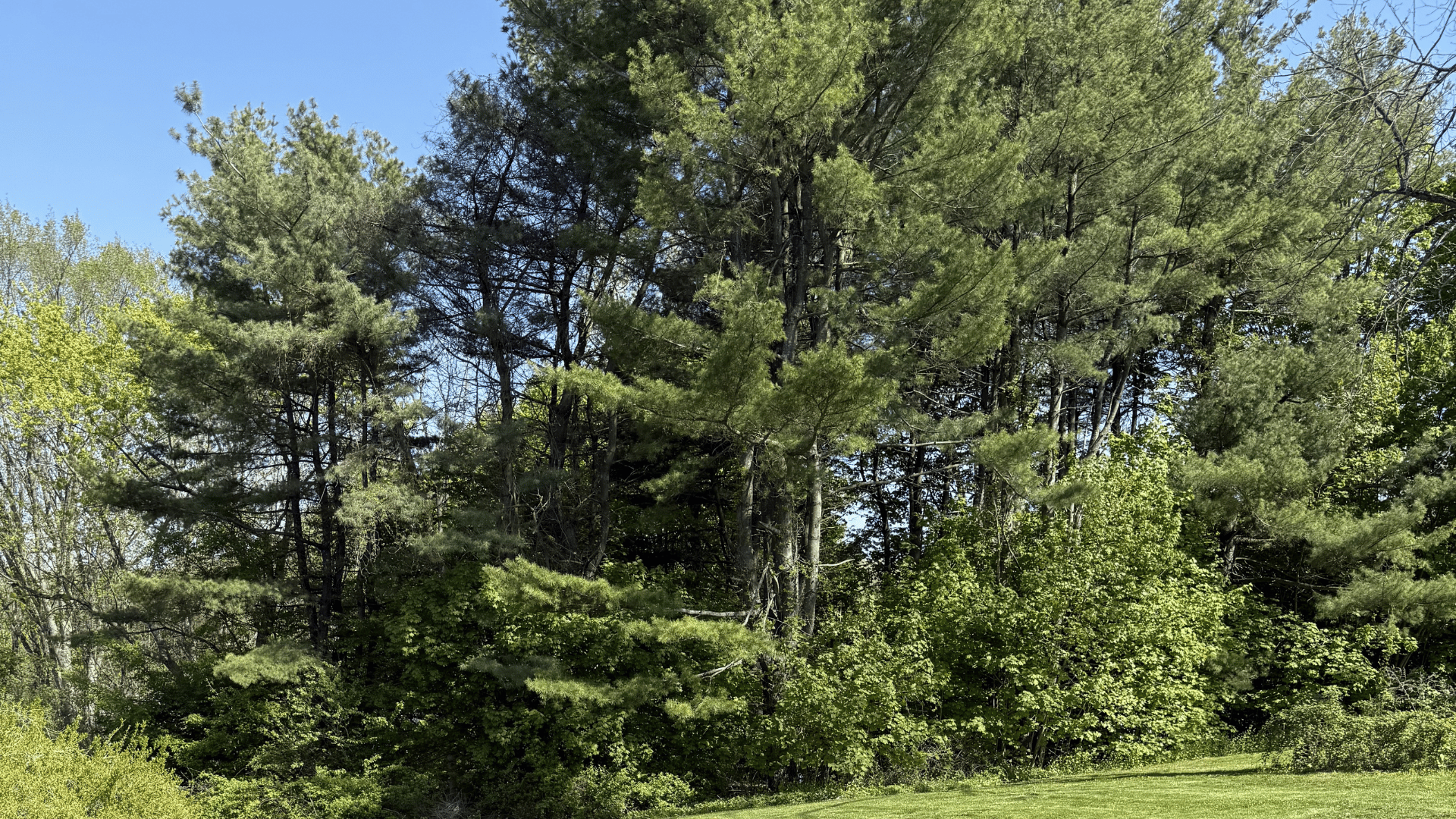
A healthy tree can become too close to a roof, driveway, walkway, view corridor, or neighboring property without being structurally unsound. Selective trimming can create clearance while preserving the trunk, roots, and most of the canopy. This is common on established Madison properties where mature trees have gradually expanded toward structures.
There Is Deadwood but the Main Structure Is Sound
Dead branches should not be ignored, but deadwood in an otherwise healthy tree does not always justify full removal. Pruning can remove dead, broken, or diseased limbs while leaving healthy structure intact. UConn pruning guidance notes that dead, broken, or diseased plant material can be removed at any time of year when appropriate.
UConn Extension pruning guidance
The Canopy Needs Structural Correction
Trees with heavy lateral limbs, codominant branches, or an imbalanced crown can sometimes be improved through selective pruning. The goal is not to strip the canopy but to reduce specific loads and improve long-term structure. White Oak's
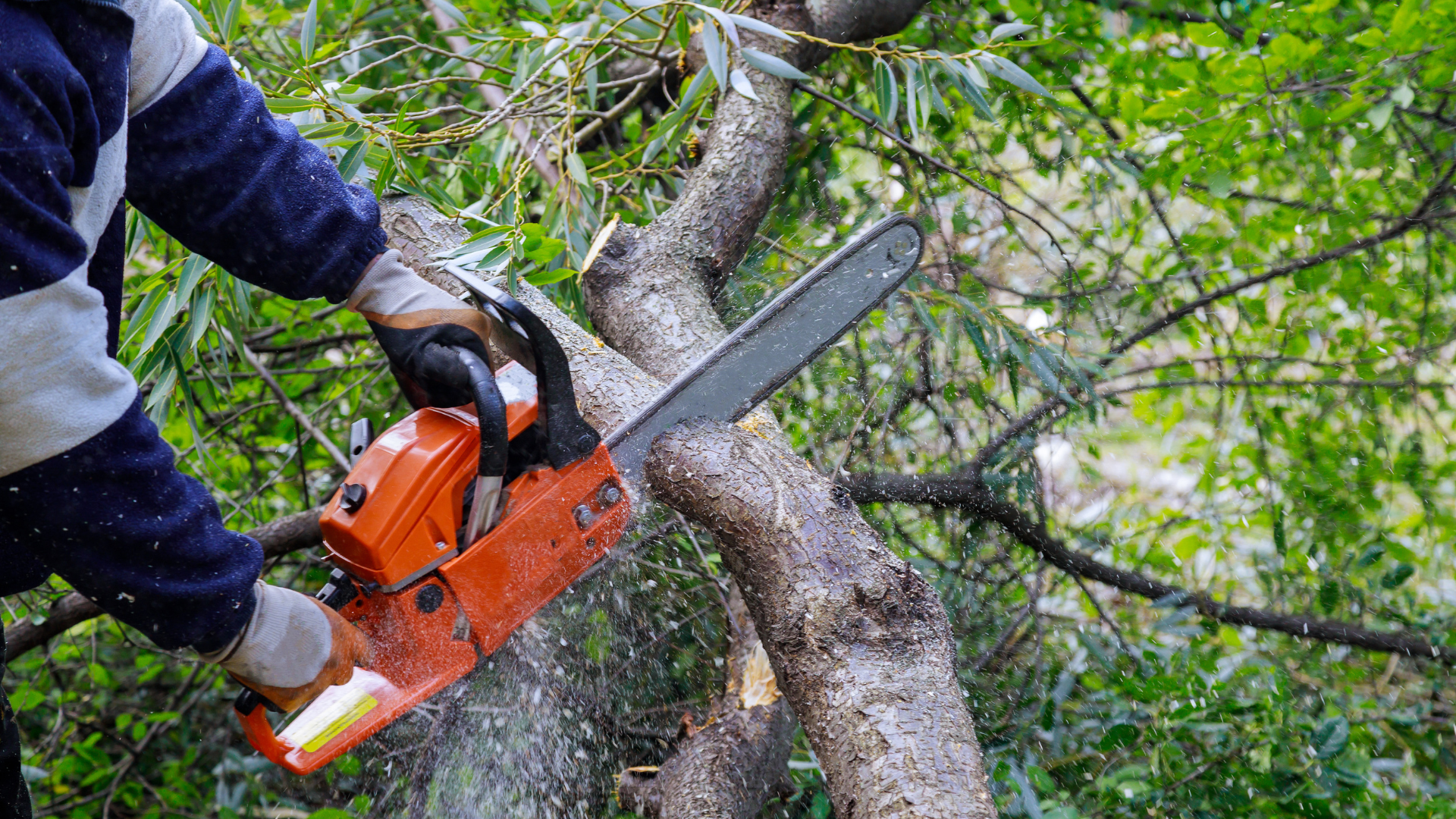
tree trimming and pruning service uses selective cuts rather than indiscriminate topping.
The Tree Is Valuable to the Property
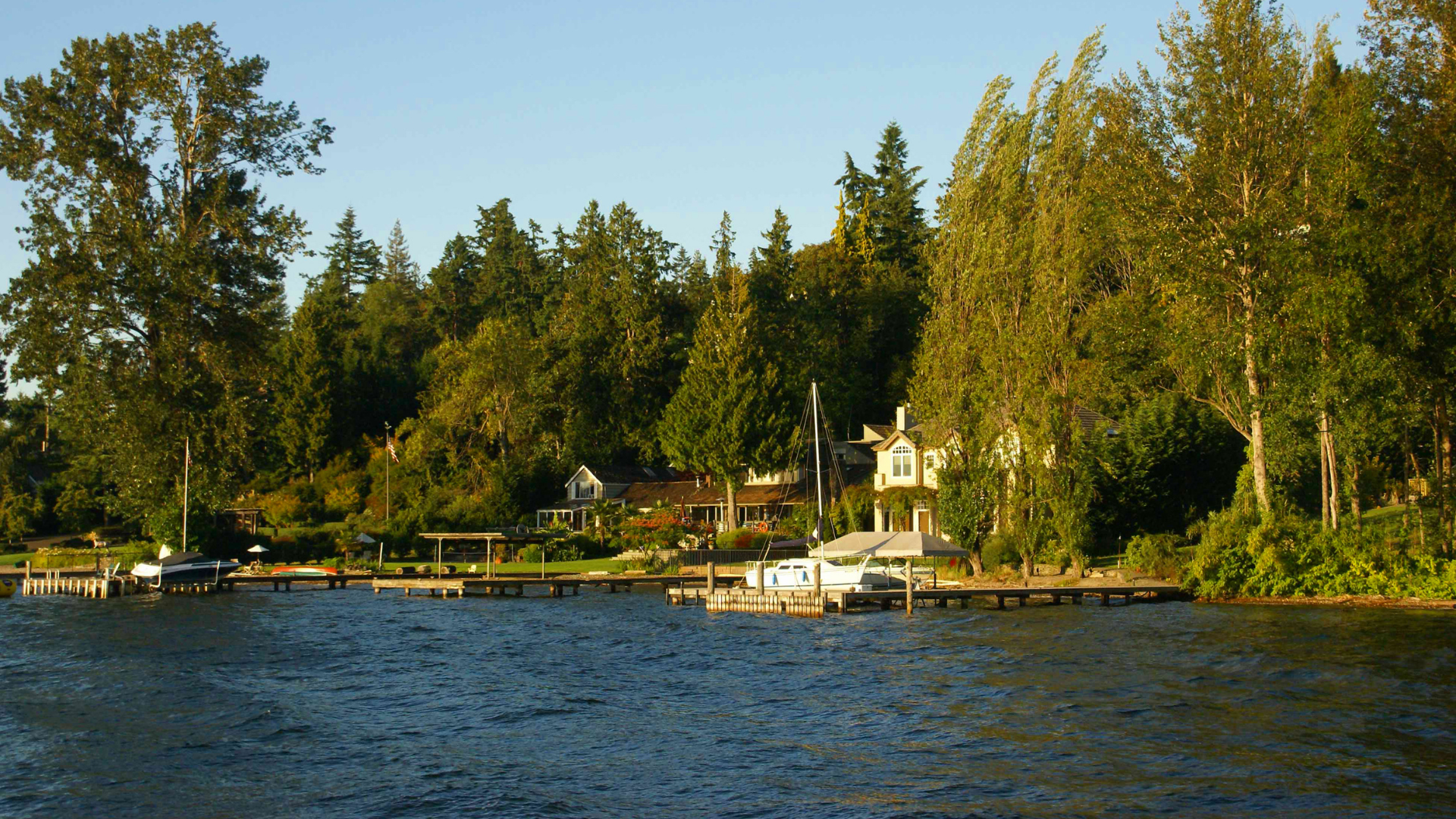
Large shade trees, privacy trees, and mature shoreline trees can contribute significantly to the character of a Madison property. If the risk can be reduced through pruning, monitoring, or another targeted intervention, preservation can make more sense than removing a healthy tree. That is especially true around East Wharf and West Wharf, where mature trees often play a major role in privacy, shade, and waterfront character.
When Tree Removal Is the Better Choice
The Tree Is Dead or Dying
A fully dead tree cannot be restored through pruning because the root system, trunk, and canopy will continue deteriorating. Dead branches may fall first, but the larger concern is the gradual loss of structural strength through the entire tree. White Oak's
Madison tree removal service handles dead and hazardous trees with climbing and rigging methods appropriate to the property.
Trunk or Root Decay Is Structurally Significant
Mushrooms at the base, cavities, large cracks, hollow areas, root plate movement, and major trunk decay can indicate problems that trimming cannot correct. Pruning may reduce some canopy load, but it cannot rebuild compromised trunk wood or failed structural roots. When those defects are severe and the tree can strike a home, driveway, roadway, or neighboring property, removal becomes more likely.
The Tree Has Become a Repeated Storm Hazard
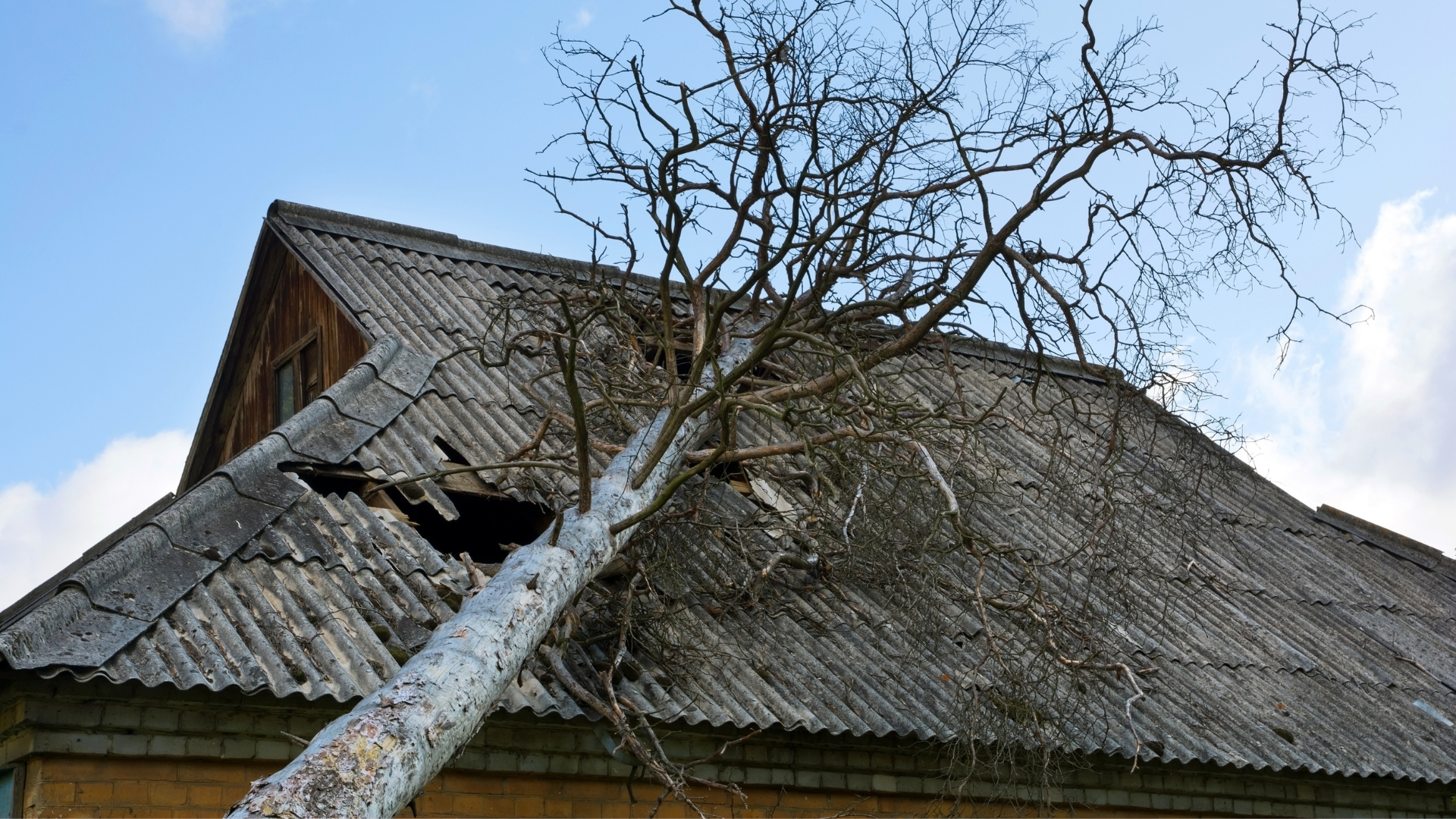
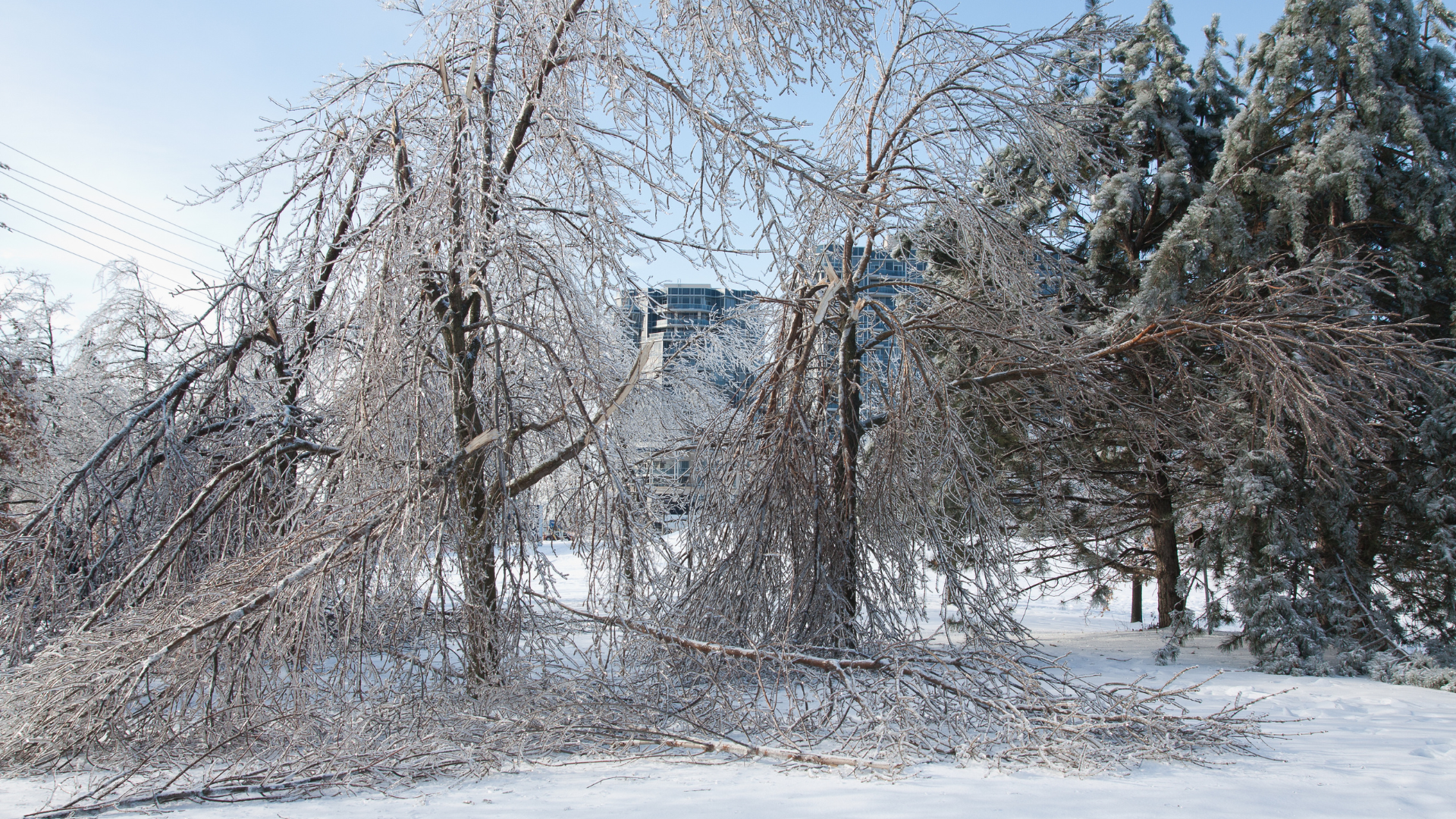
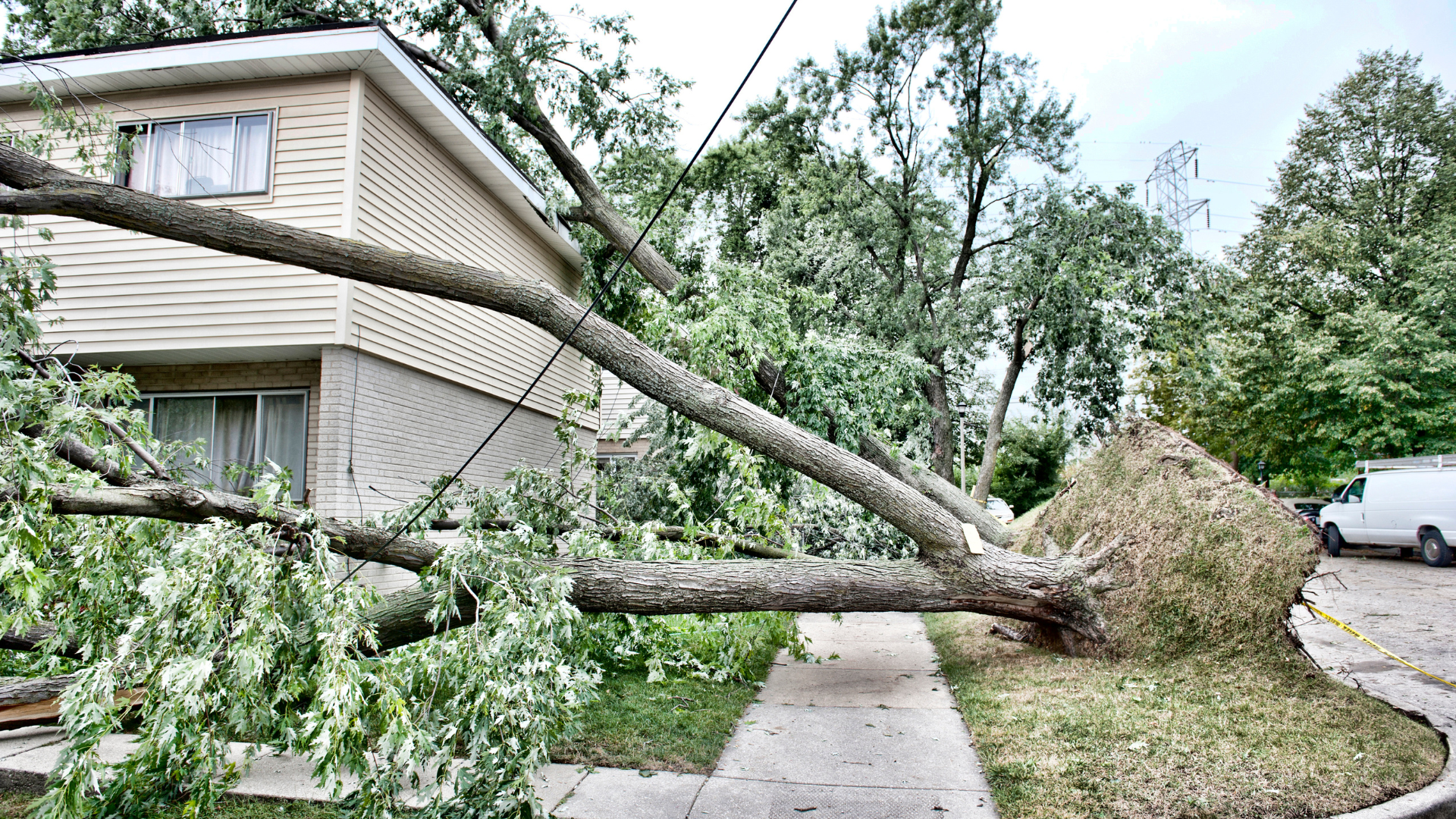
One broken limb after a storm does not always mean the tree should be removed. Repeated major failures, progressive lean, large split unions, or storm damage through several parts of the canopy may show that the tree has lost too much structural reliability. In that situation, continuing to prune individual failures can become less sensible than removing the source of the recurring risk.
The Tree Is Too Damaged to Preserve Safely
A tree can still have green leaves and be structurally unsafe. Large cavities, severe root damage, trunk splits, or a major stem failure can leave a living tree with poor long-term stability. White Oak provides free hazard assessments in Madison so homeowners can understand whether
hazardous tree removal is justified before making the decision.
Why Large Tree Removal Requires a Different Level of Planning
Large tree removal is not simply a bigger version of taking down a small ornamental tree. Trees over 60 feet, wide-spreading oaks, mature maples, and large evergreens may require climbing, precision rigging, equipment coordination, and carefully controlled lowering of individual sections. Tight Madison lots can make that work more technical when the tree sits between the house, driveway, septic area, neighboring property, or utility infrastructure.
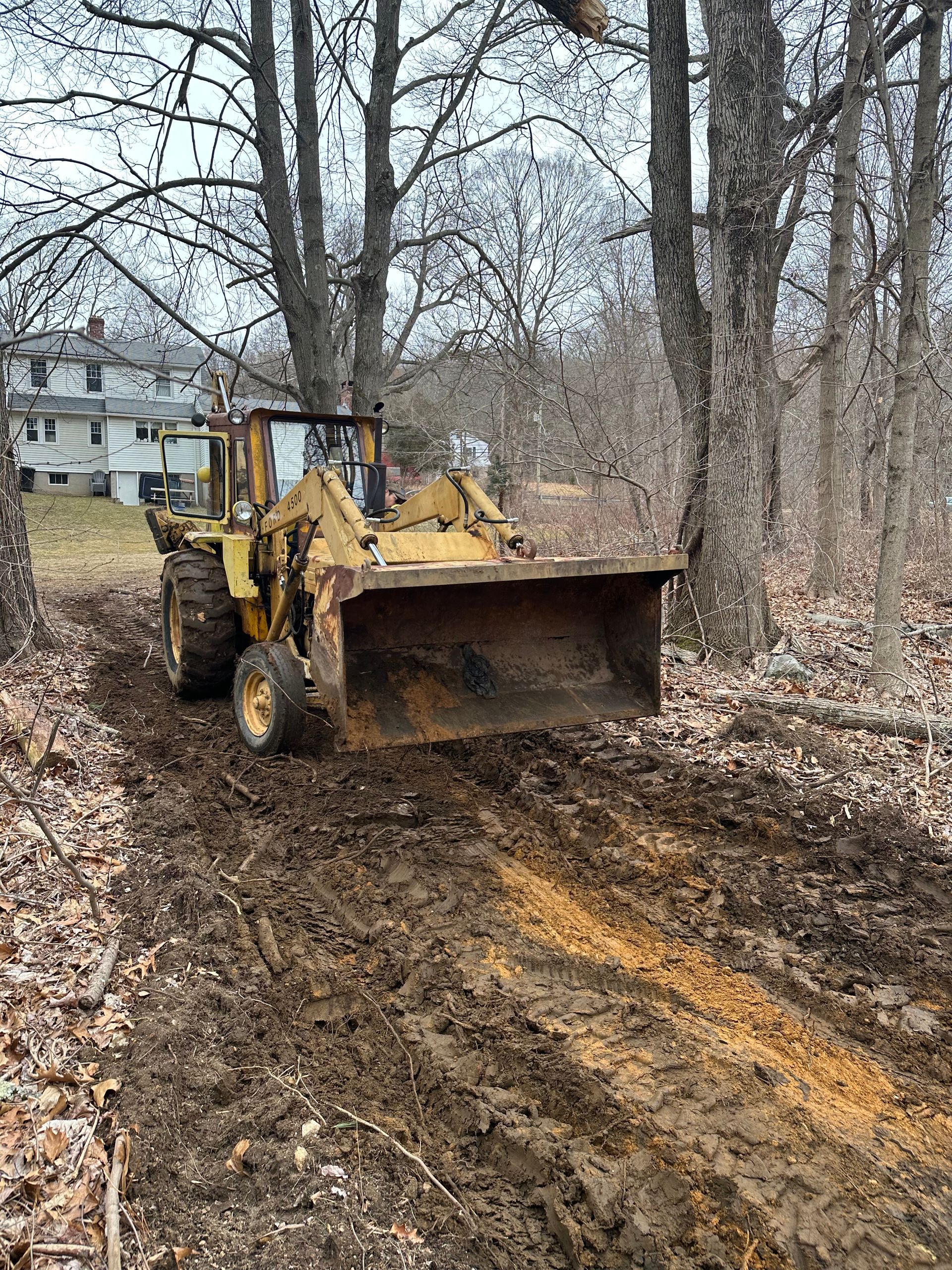
White Oak handles most residential removals with experienced climbers and controlled rigging rather than bringing heavy equipment across the lawn unnecessarily. When a crane or other equipment is genuinely the safer or more efficient option, the method changes to fit the job. The removal plan should be based on tree condition and site constraints, not on forcing every tree into the same equipment strategy.
Cleanup Is Part of the Removal Scope
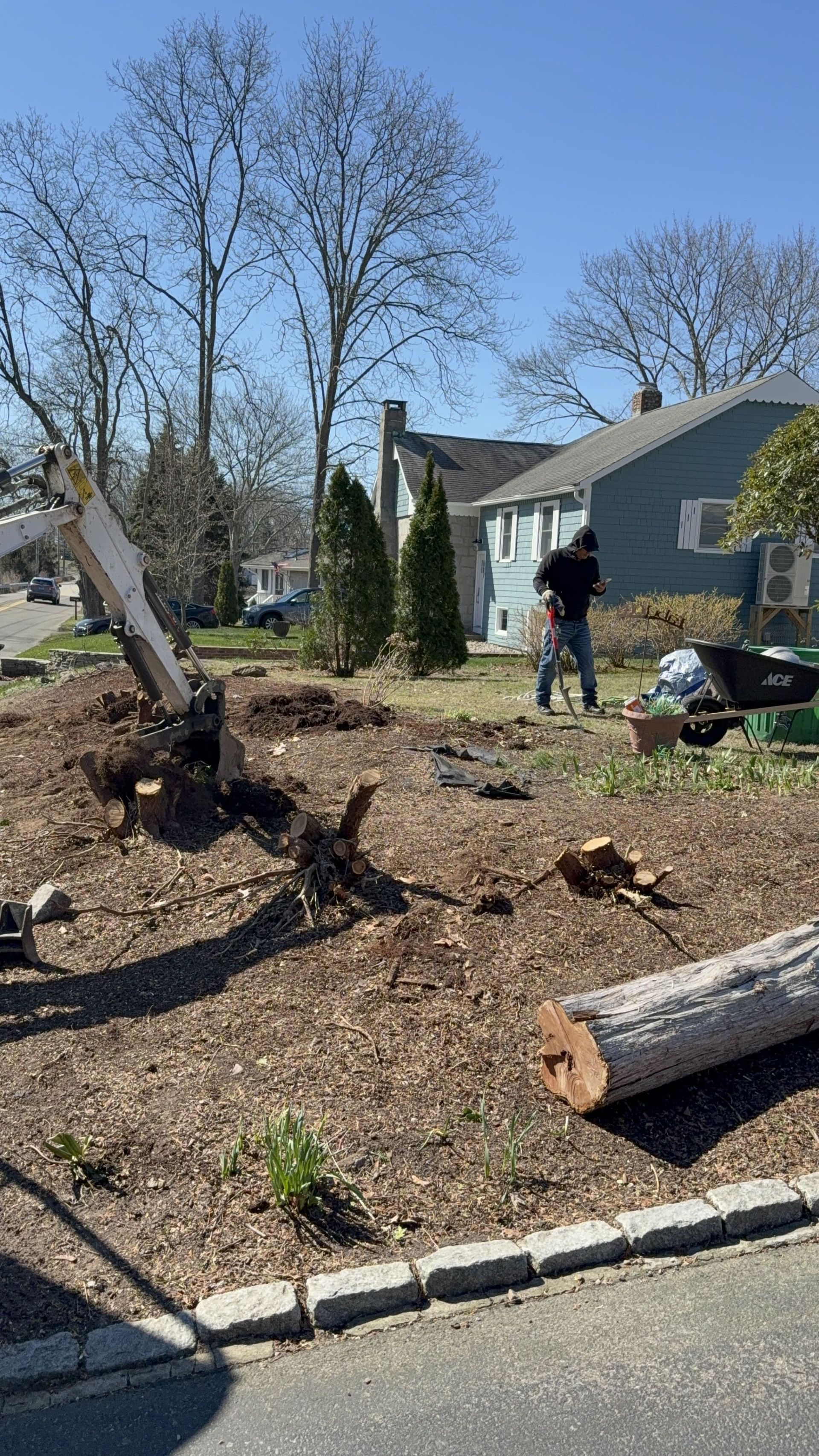
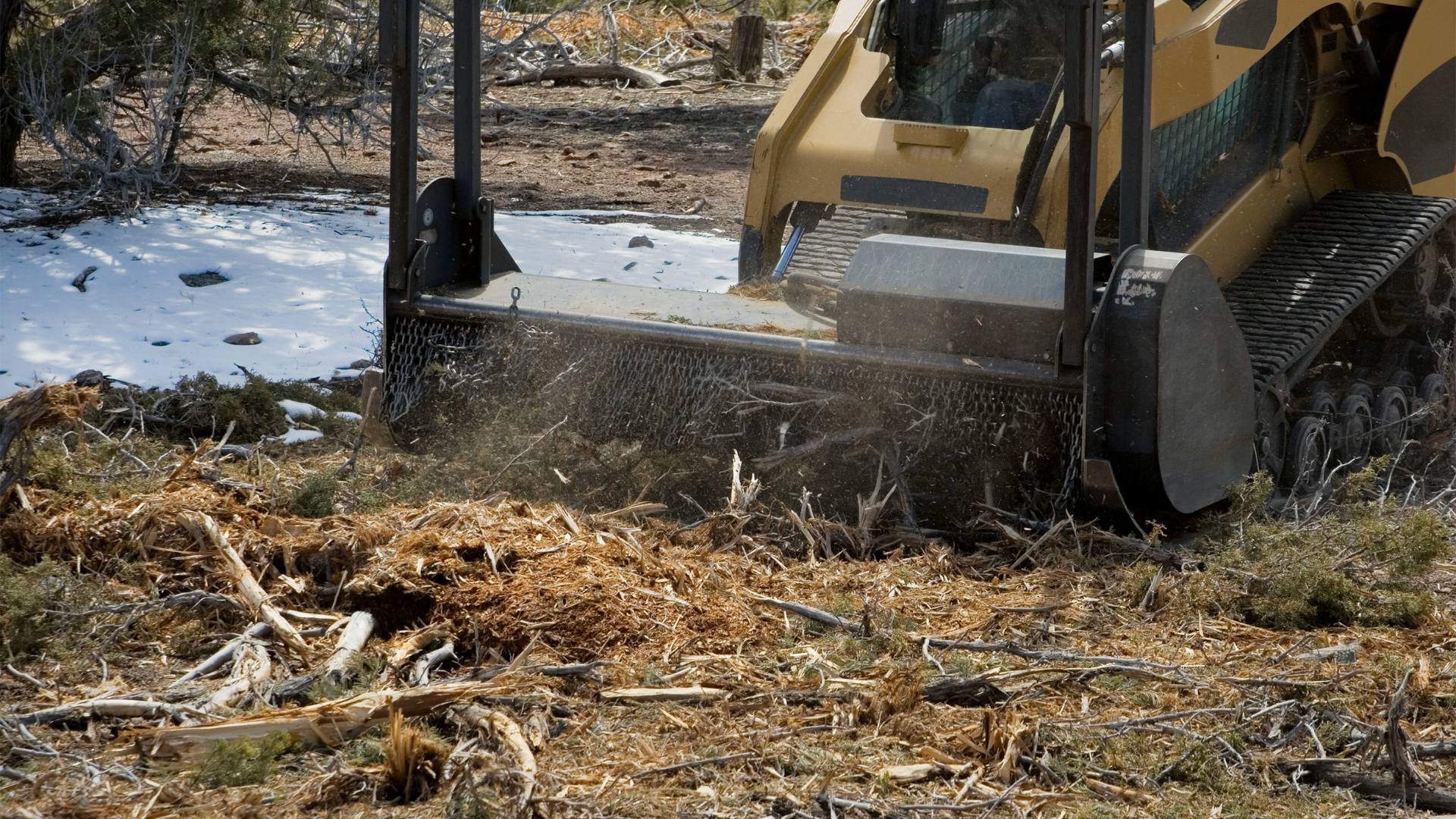
White Oak tree removal includes on-site chipping of brush, removal or stacking of logs based on the homeowner's preference, and cleanup of the work area. Stump grinding can be bundled with removal when the property needs a clean, level result afterward. That makes it easier to restore lawn, replant, or redesign the space once the tree is gone.
How the Decision Changes Across Madison Neighborhoods
East Wharf
East Wharf properties can combine mature trees, shoreline exposure, smaller residential lots, and high-value structures close to the tree canopy. Salt exposure and coastal wind can contribute to stress, but visible shoreline wear does not automatically mean removal. A careful assessment should separate manageable canopy problems from root, trunk, or major structural defects.
West Wharf
West Wharf homes often have similar coastal constraints, including limited equipment access and trees positioned near houses, driveways, walls, or neighboring properties. Selective pruning can be valuable when the tree is healthy but overextended, especially when preserving shade or privacy matters. When removal is required, rigging and controlled sectional removal become more important because there is less room for uncontrolled drop zones.
Neck Road
Neck Road properties can range from shoreline-influenced sites to larger wooded lots with mature trees and more varied terrain. Homeowners may have several trees to evaluate at once, making prioritization important. White Oak can identify which trees need immediate removal, which only need pruning, and which can stay on a monitoring schedule.
What Does Tree Trimming or Removal Cost in Madison?
White Oak publishes general Connecticut Shoreline pricing guidance, but every Madison project still begins with a free on-site assessment and exact written pricing. Tree size, species, access, canopy condition, proximity to structures, cleanup requirements, and whether climbing or specialized equipment is needed all affect the final number. Trimming and removal are therefore priced around the actual tree rather than a phone estimate.