
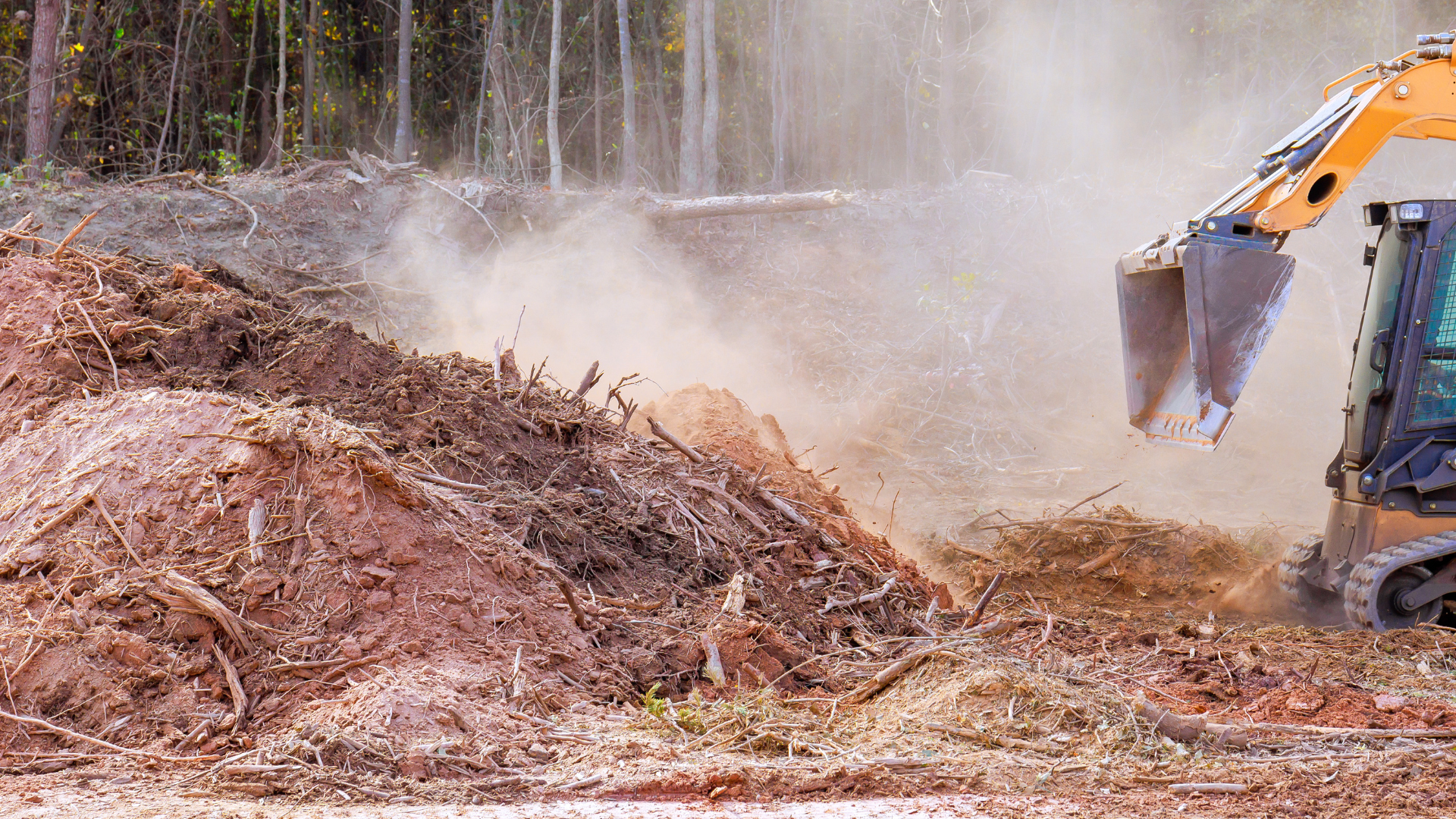
Overgrown land becomes a winter access problem when brush, saplings, fallen limbs, stumps, or narrow routes keep people and equipment from reaching an important part of the property safely. A route that feels inconvenient in dry weather may become unusable after leaves fall, the ground saturates, snow narrows the opening, and ice covers hidden obstacles. Land clearing in Madison, CT can reopen selected routes before those conditions arrive, but the work should start with a clear purpose. The goal is dependable access, not removing every tree or natural feature. Some Madison properties need a path to utilities, a drainage outlet, a rear structure, a fence line, or wooded acreage that still requires maintenance. Others need enough width for tree equipment, plowing, deliveries, emergency work, or future construction. White Oak Tree & Landscaping provides Madison land clearing and forestry mulching based on the actual route, terrain, vegetation, and intended use. Homeowners in Guilford, Clinton, and Killingworth can use the same planning process while accounting for different slopes, soils, and site constraints. When Overgrowth Becomes a Winter Access Problem An area does not need to be completely impassable to create a winter concern. Brush that rubs both sides of a vehicle, hides the route edge, blocks sightlines, or forces people onto uneven ground has already reduced usable access. Snow and ice then remove the margin that made the route barely workable. Waiting until access is urgently needed can limit safe equipment choices and increase the scope of emergency work. The key test is whether the route still supports its required user under poor conditions. A footpath, utility lane, tree-service entrance, and construction access road require different width, grade, overhead clearance, and surface stability. The destination matters because opening a corridor that ends at a wet area, locked gate, or unsafe turnaround does not solve the problem. A site plan should therefore define the full trip from entrance to destination and back out again. Which Access Routes Should Be Prioritized Start with routes tied to safety, essential maintenance, or a time-sensitive project. A scenic trail may be useful, but it should not take priority over access to a septic component, drainage outlet, propane area, emergency egress, or hazardous tree. Mark destinations before selecting the clearing method so the crew can protect nearby features. Priority routes may include: Primary and secondary driveways where encroaching branches or brush reduce vehicle clearance and sightlines. Utility access to wells, septic components, generators, propane equipment, meters, and service connections. Drainage access to catch basins, swales, culverts, outlets, ditches, and low areas that require inspection. Tree-work access to dead, leaning, storm-damaged, or difficult trees that may need equipment and rigging space. Building access to barns, sheds, detached garages, rear entrances, and unoccupied structures. Property-line and fence routes needed for inspection, repair, surveying, or neighbor coordination. Emergency movement routes that must remain clear enough for responders, maintenance crews, or safe exit. Future project routes for construction, drainage improvements, landscaping, or utility installation.
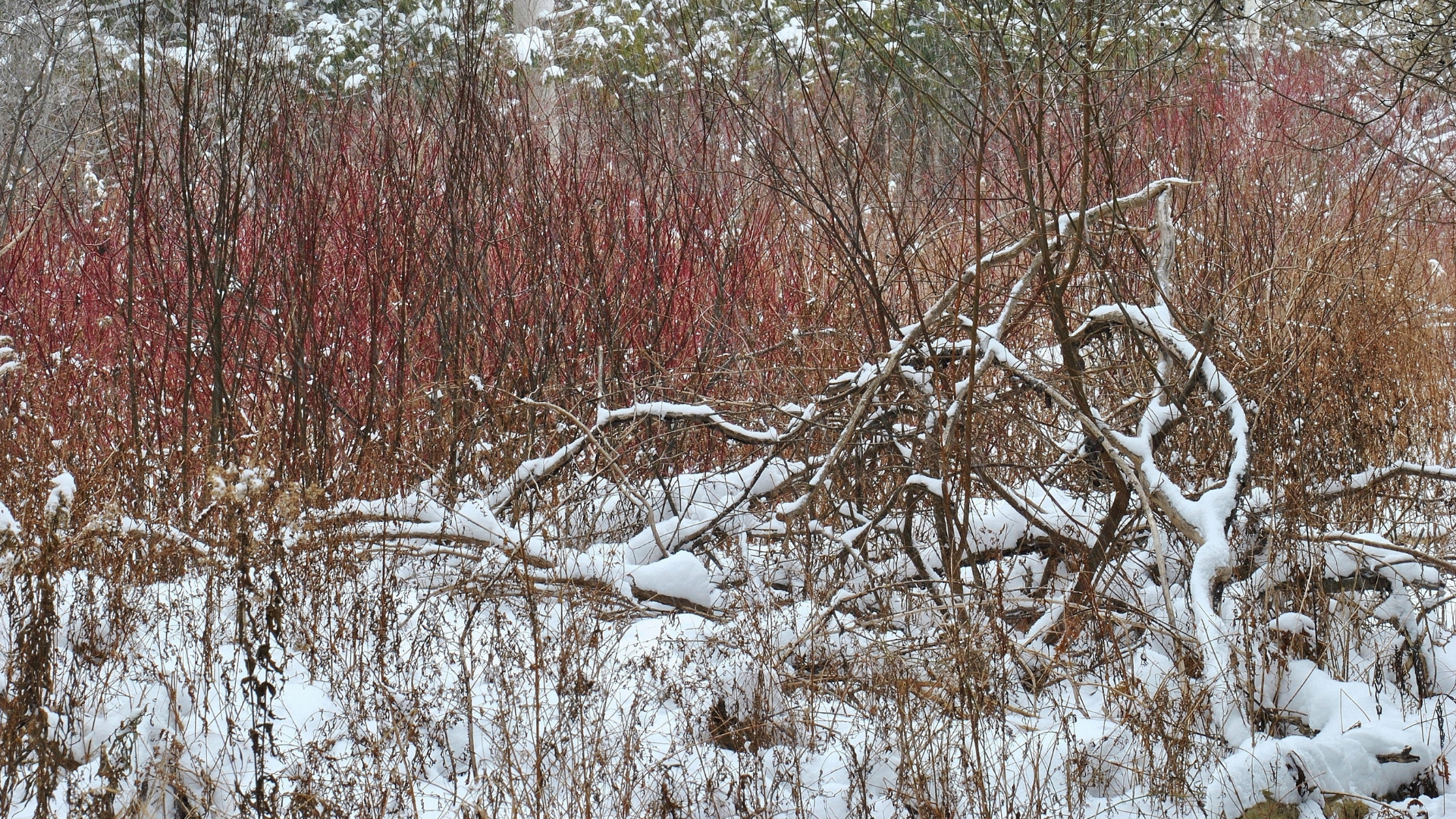
Dense brush can make part of a property look untidy while concealing conditions that deserve attention before winter. Vines, invasive shrubs, saplings, fallen limbs, and tall growth can hide stumps, holes, drainage channels, weak trees, debris, and grade changes. Once snow covers the area and ice forms beneath it, those hazards become harder to see and access becomes more difficult. Professional brush clearing in Madison, CT reveals what is happening on the ground so the owner can decide what needs correction. The useful goal is not to strip every wooded edge or turn natural acreage into lawn. It is to open the areas that affect walking routes, drainage, structures, utilities, property boundaries, and future maintenance while preserving vegetation that belongs. White Oak Tree & Landscaping provides land clearing and forestry mulching in Madison for properties that need selective access improvement or broader reclamation. The same planning approach helps homeowners in Guilford, Clinton, and Killingworth prepare overgrown areas before winter reduces visibility. Why Dense Brush Becomes Harder to Evaluate in Winter Leaf drop improves visibility above the ground, but snow can quickly erase the details that matter underfoot. A shallow depression, cut stump, rock, loose branch, or discarded wire may disappear beneath only a few inches of accumulation. Frozen vegetation can also lean into a route that seemed passable during dry weather. By the time the problem is obvious, the safest season for walking and inspecting the area may already have passed. Winter moisture changes the condition of the ground as well as the view. Saturated soil, freeze-thaw movement, and ice can make slopes, low areas, and informal paths less stable. OSHA’s winter-weather guidance emphasizes that snow and ice increase slip, trip, and fall risks and that walking surfaces should be cleared promptly. A prewinter property walk allows hidden obstacles to be marked or removed before traction and access become worse. Seven Problems Dense Brush Can Hide Before Snow The first inspection should look beyond the visible leaves and vines. Walk only where footing is known, and avoid entering growth that may conceal holes, wire, unstable limbs, or poison ivy. Ground-level photos and boundary maps can help document what needs professional evaluation. Common hidden conditions include: Dead limbs and weakened trees: Brush can hide hanging branches, decay, basal damage, or trees leaning toward a driveway or structure. Old stumps and surface roots: Cut stems, root flares, and partially decayed stumps create trip points and can interfere with plowing or equipment movement. Holes and uneven grade: Animal burrows, washouts, abandoned post holes, and depressions may remain invisible until someone steps into them. Blocked drainage paths: Leaves and woody growth can cover swales, culvert inlets, ditches, and low spots where water collects and later freezes. Property-line obstructions: Vines, volunteer trees, and brush can make fences, markers, gates, and maintenance access difficult to locate. Discarded materials: Wire, metal, masonry, fencing, and debris can damage equipment or injure someone. Invasive vines and shrubs: Bittersweet, multiflora rose, autumn olive, and similar growth can overtake desirable trees and quickly reclaim an opened route.
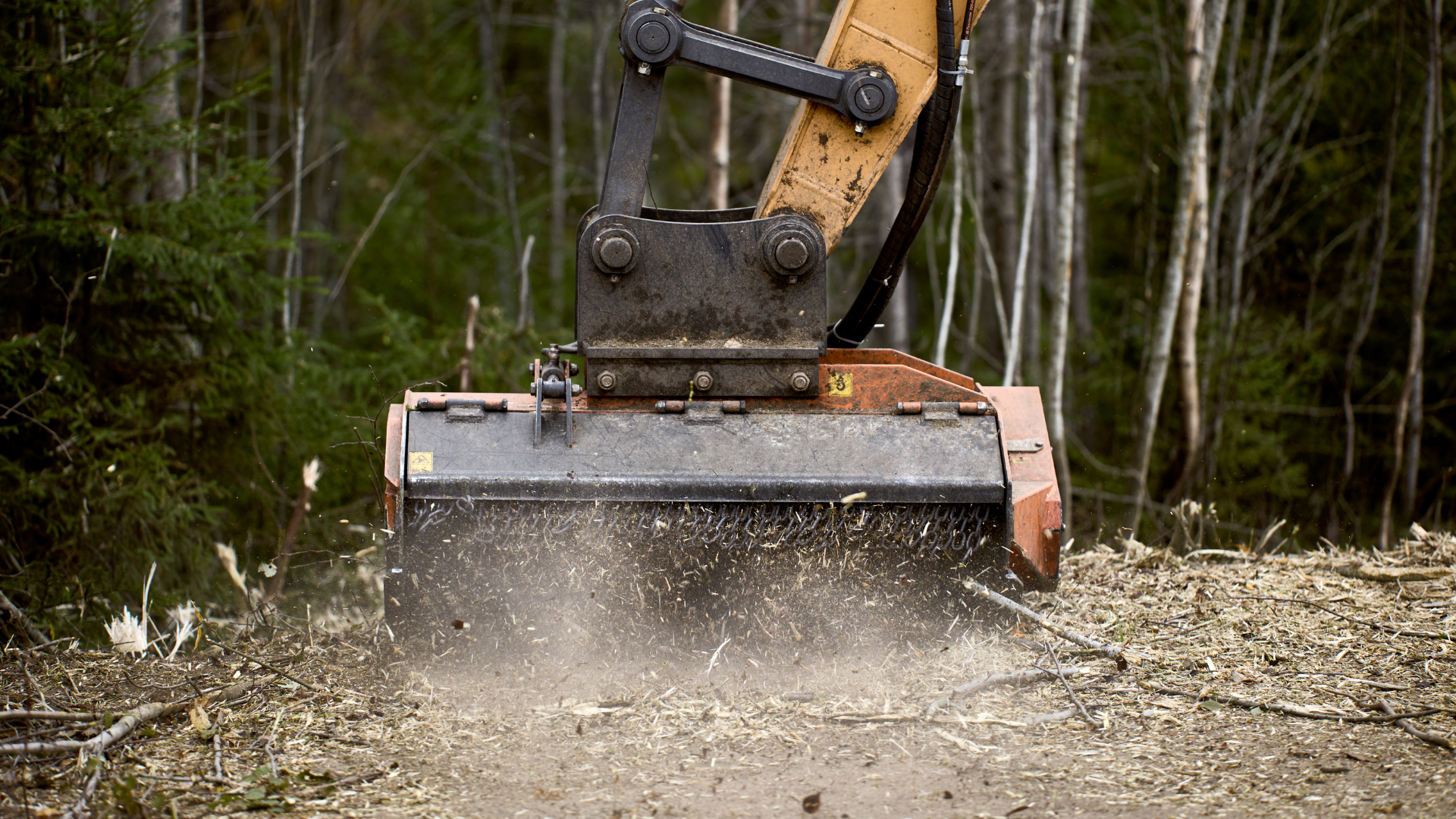
See five areas forestry mulching can reopen on Madison properties, how it works, what should remain, and how to plan the work safely before winter arrives.
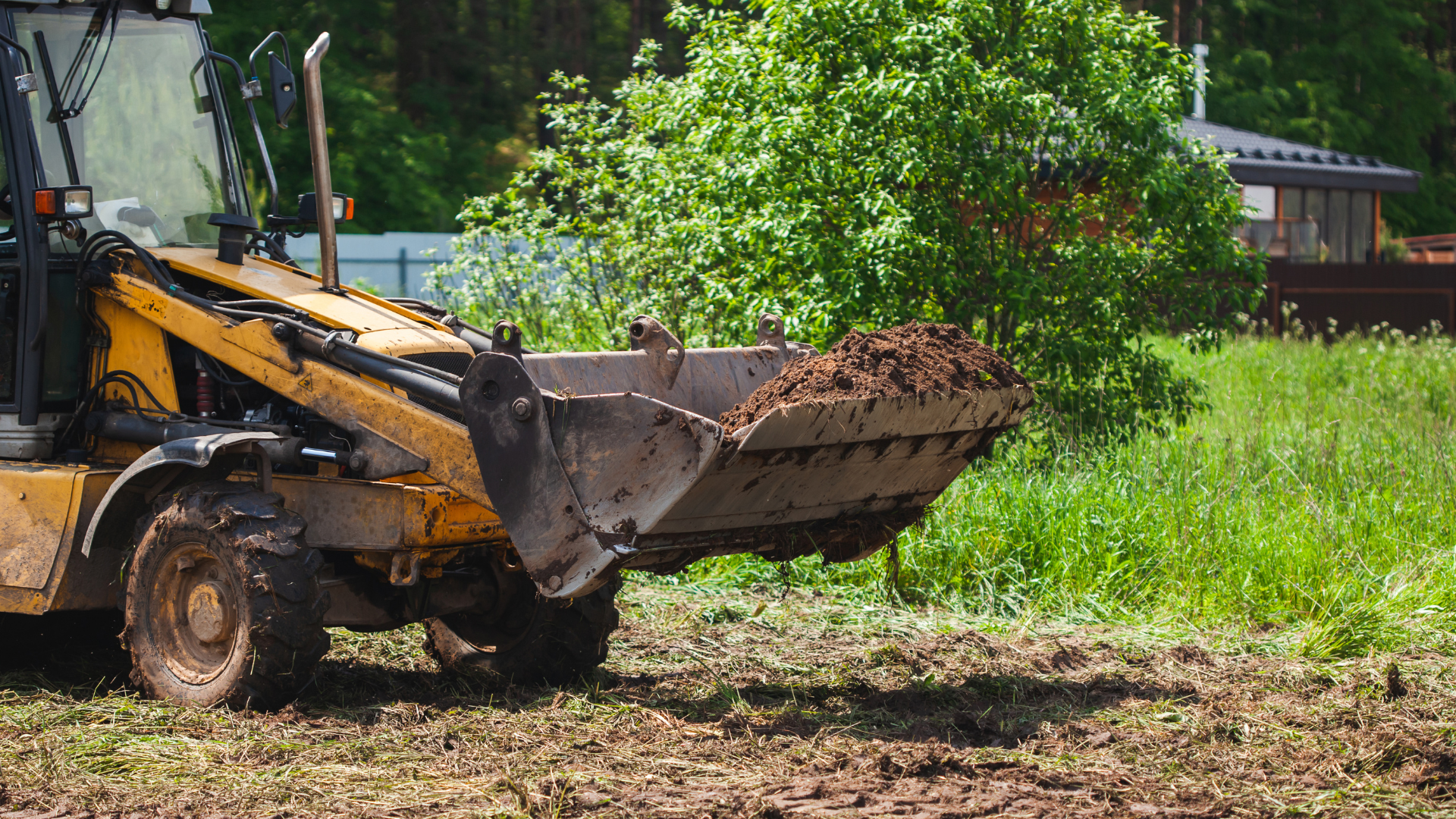
Learn eight signs that overgrowth is hiding drainage, access, boundary, and safety problems on your Madison property before winter. Plan safe work now.
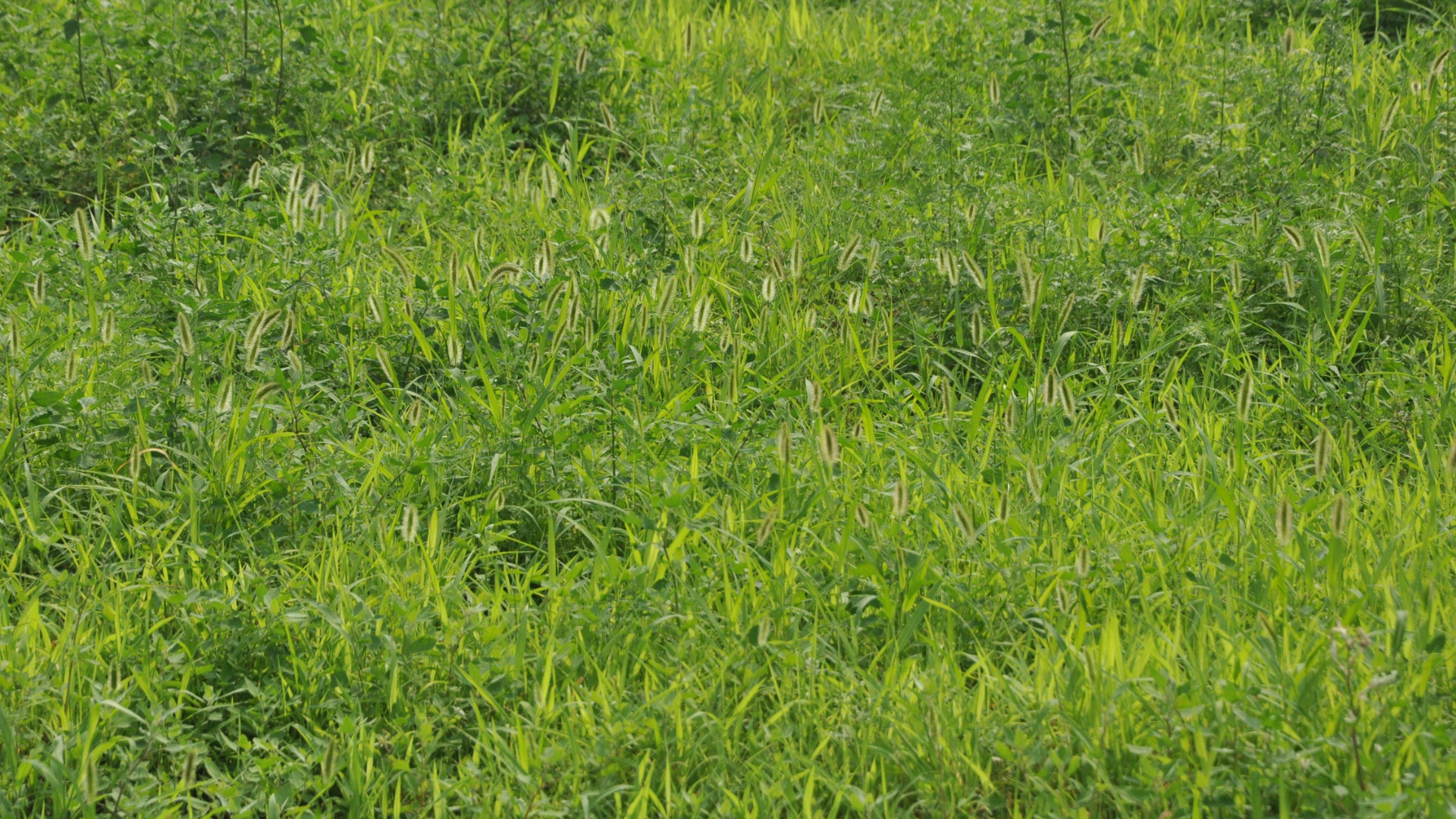
Learn why invasive brush returns after forestry mulching, how Clinton property owners can manage regrowth, and what an effective follow-up plan includes.
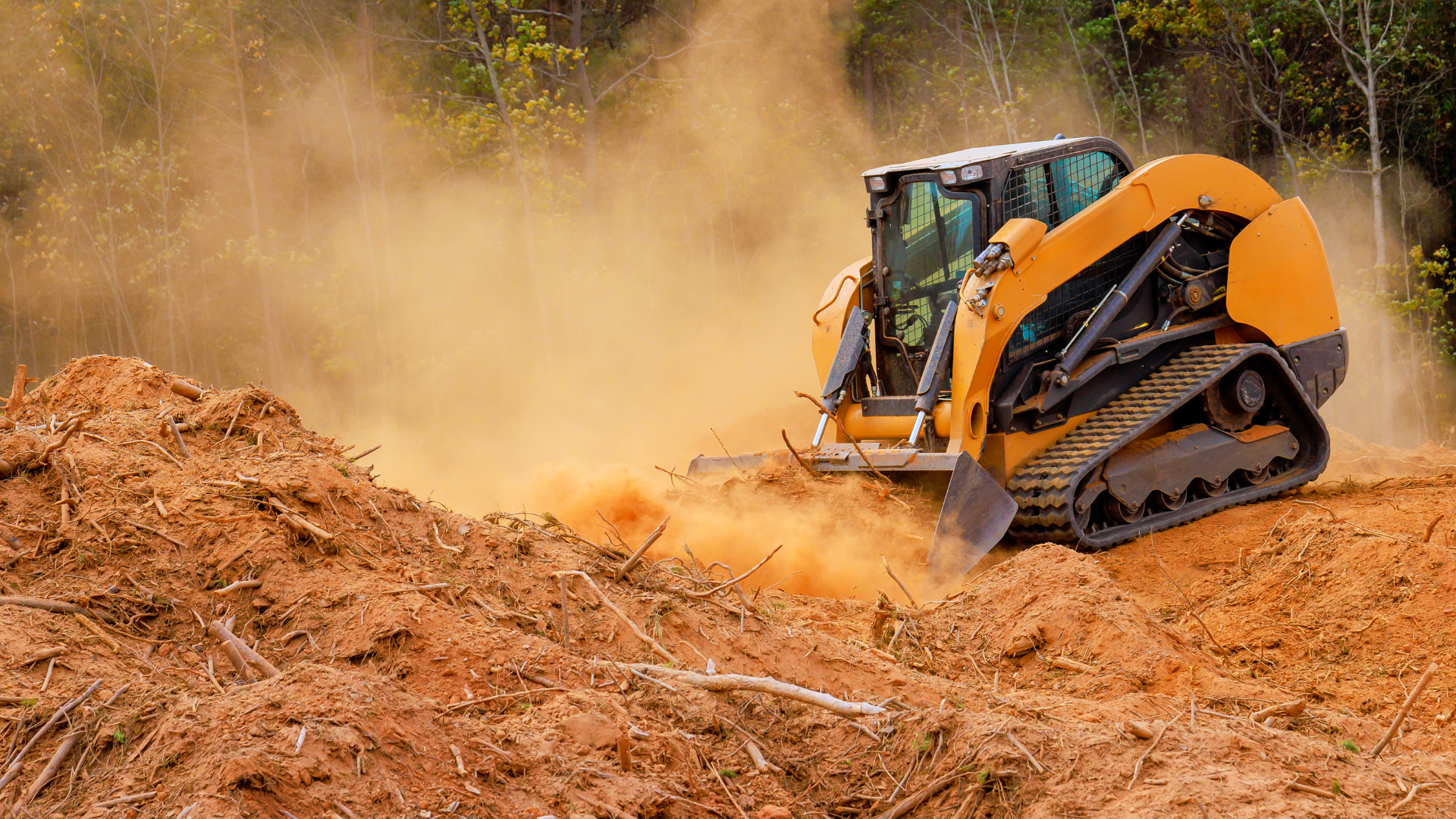
Learn how to plan property line clearing in Clinton, confirm boundaries, protect trees and wetlands, choose the right method, and understand likely costs.
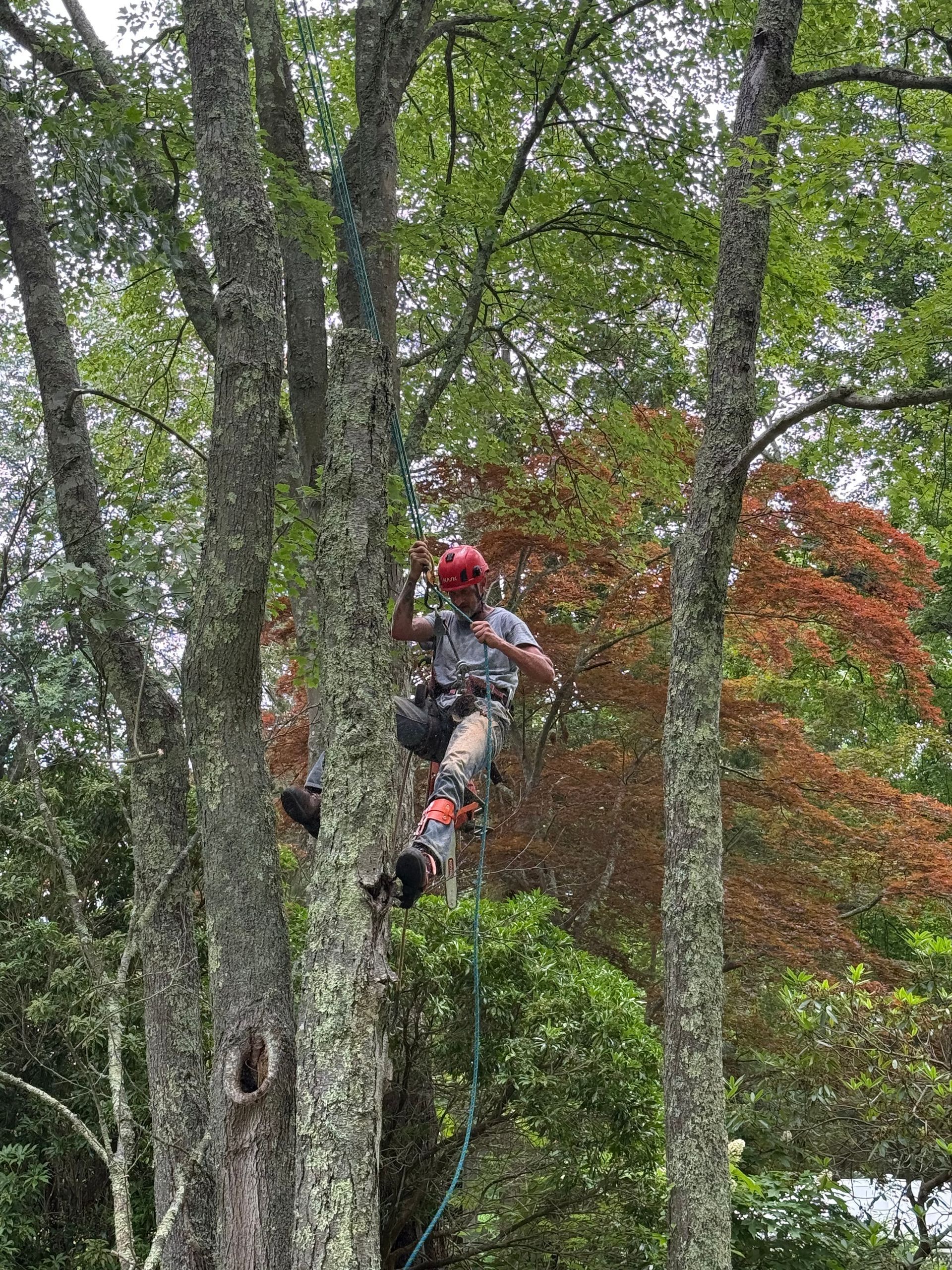
Learn why fall is practical for reclaiming overgrown Madison property, choosing a clearing method, managing invasives, and planning the land's next use.
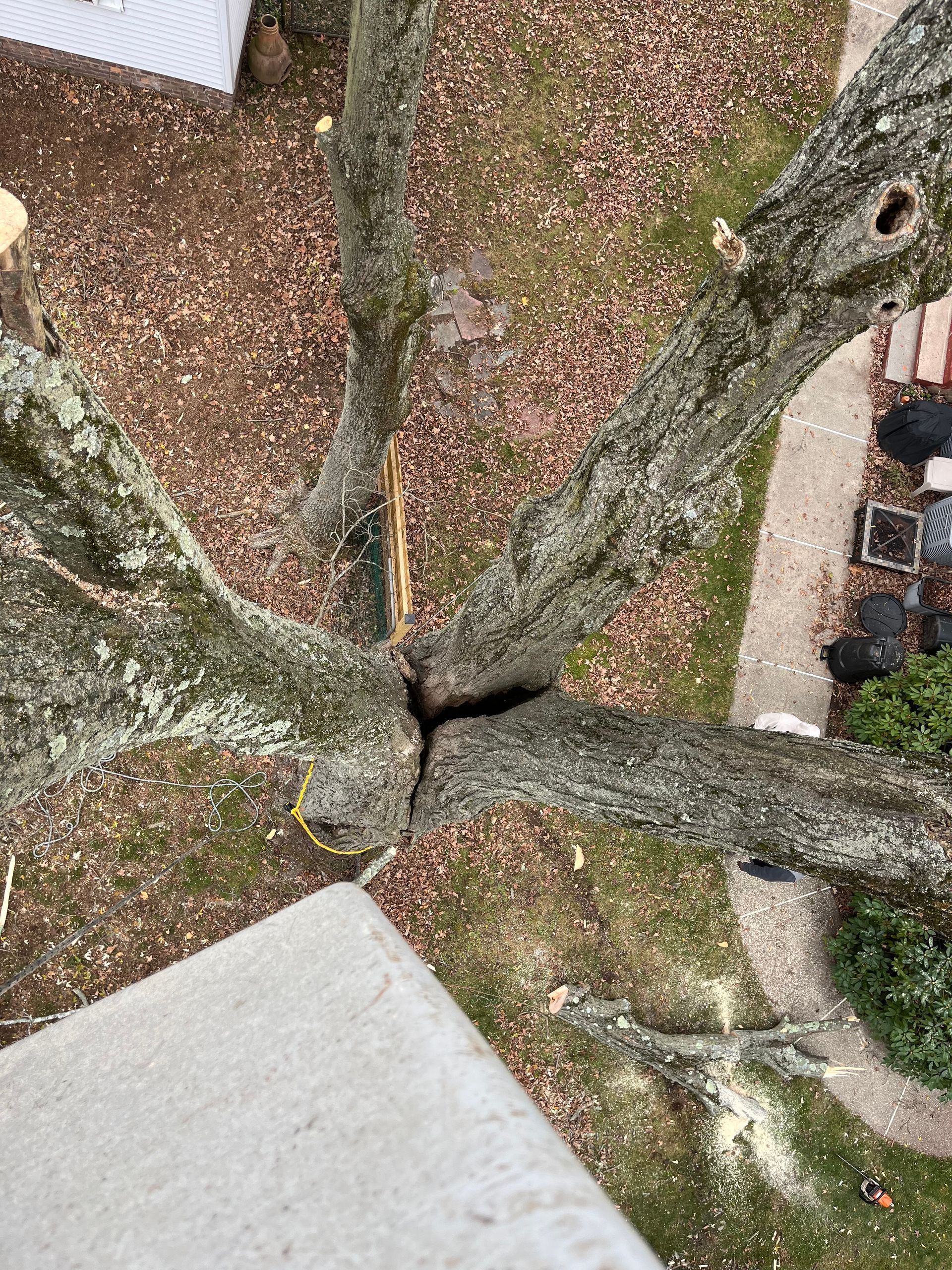
Learn why mature Madison trees need attention before late-fall storms, which warning signs require trimming, and when removal may be the safer choice.
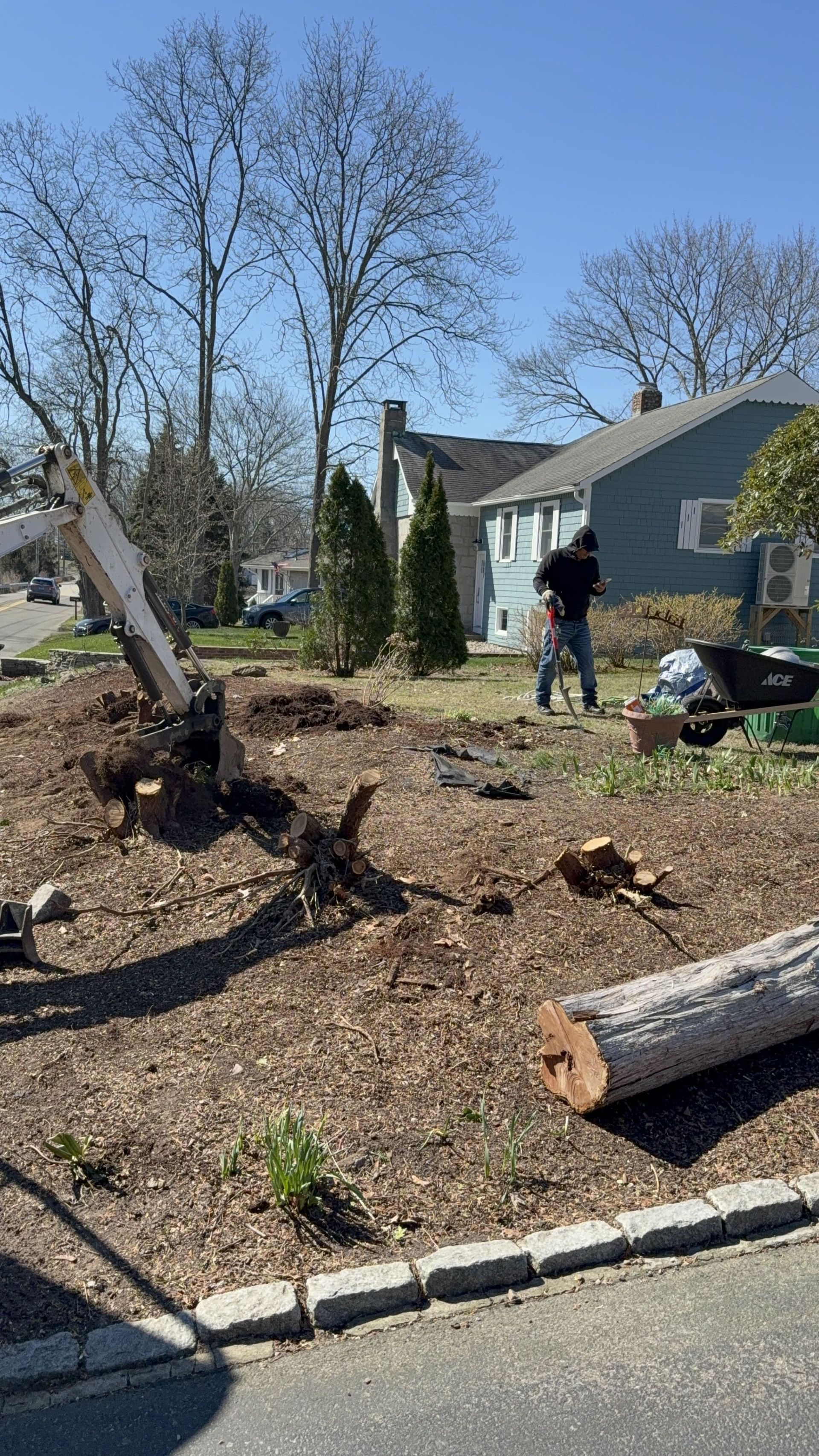
Compare land clearing vs tree removal for overgrown Madison properties, including brush clearing, forestry mulching, lot clearing, and current local costs.
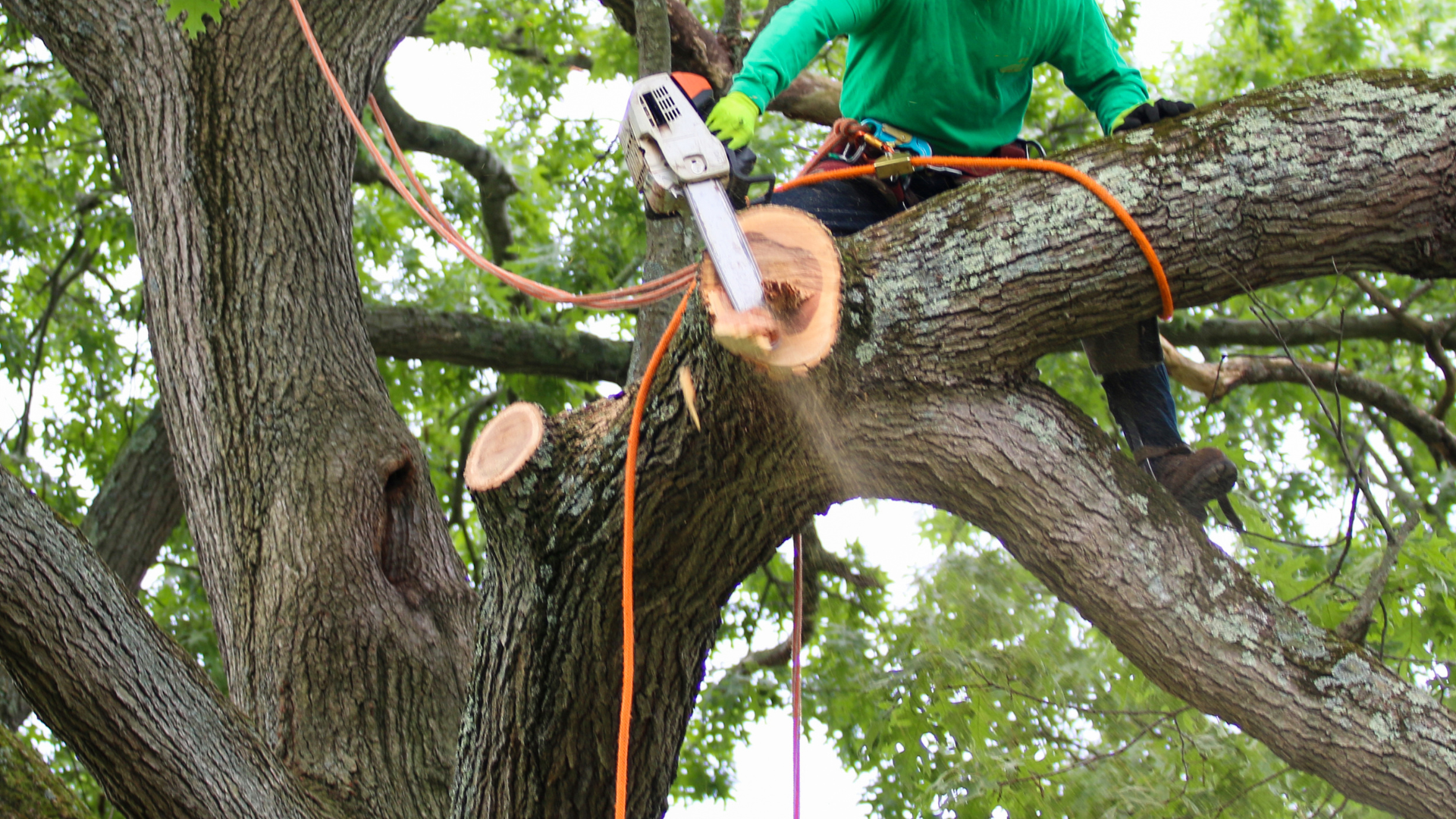
Compare tree removal vs trimming for Madison, CT properties, including pruning, hazardous trees, large removals, risk assessment, and current local costs.