Land Clearing vs Tree Removal: Which Is Better for an Overgrown Madison Property?

Mike James • September 15, 2026

Why This Decision Matters More on CT Shoreline Properties

An overgrown property does not always need full land clearing. Sometimes the problem is one or two hazardous or unwanted trees, while the surrounding vegetation can remain. In other cases, years of brush growth, invasive vines, volunteer trees, deadwood, and dense understory make individual tree removal in Madison CT too narrow for what the property actually needs.


White Oak Tree & Landscaping is based in Clinton and has provided land clearing in Madison CT and across the Connecticut shoreline since 1991. We use individual tree removal when precision matters and larger-scale clearing or forestry mulching Madison CT work when the goal is to reclaim an entire overgrown area. The right method depends on the size of the area, vegetation density, future use, access, terrain, and any wetlands or regulatory constraints on the property.


What Is the Difference Between Land Clearing and Tree Removal?

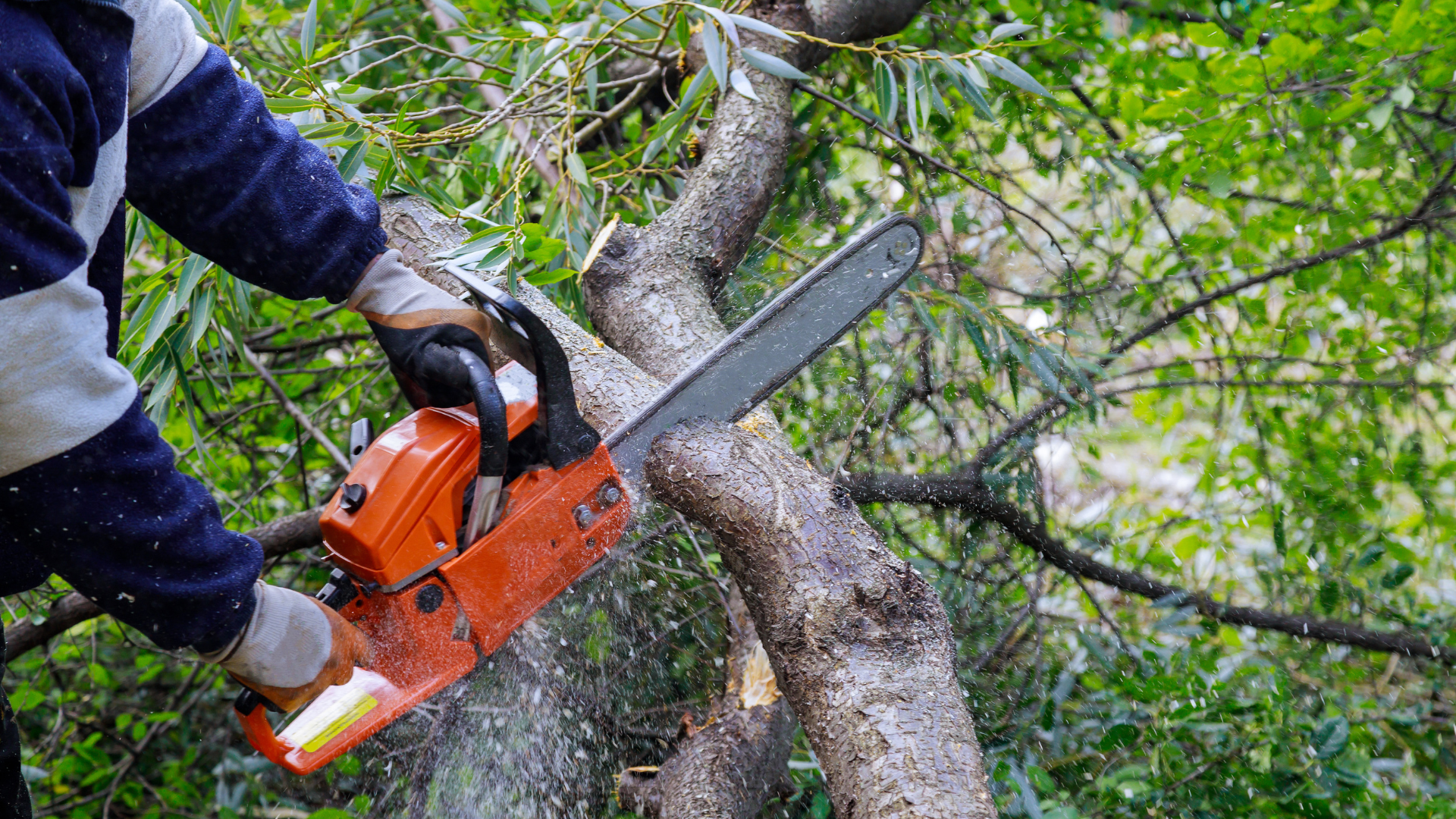
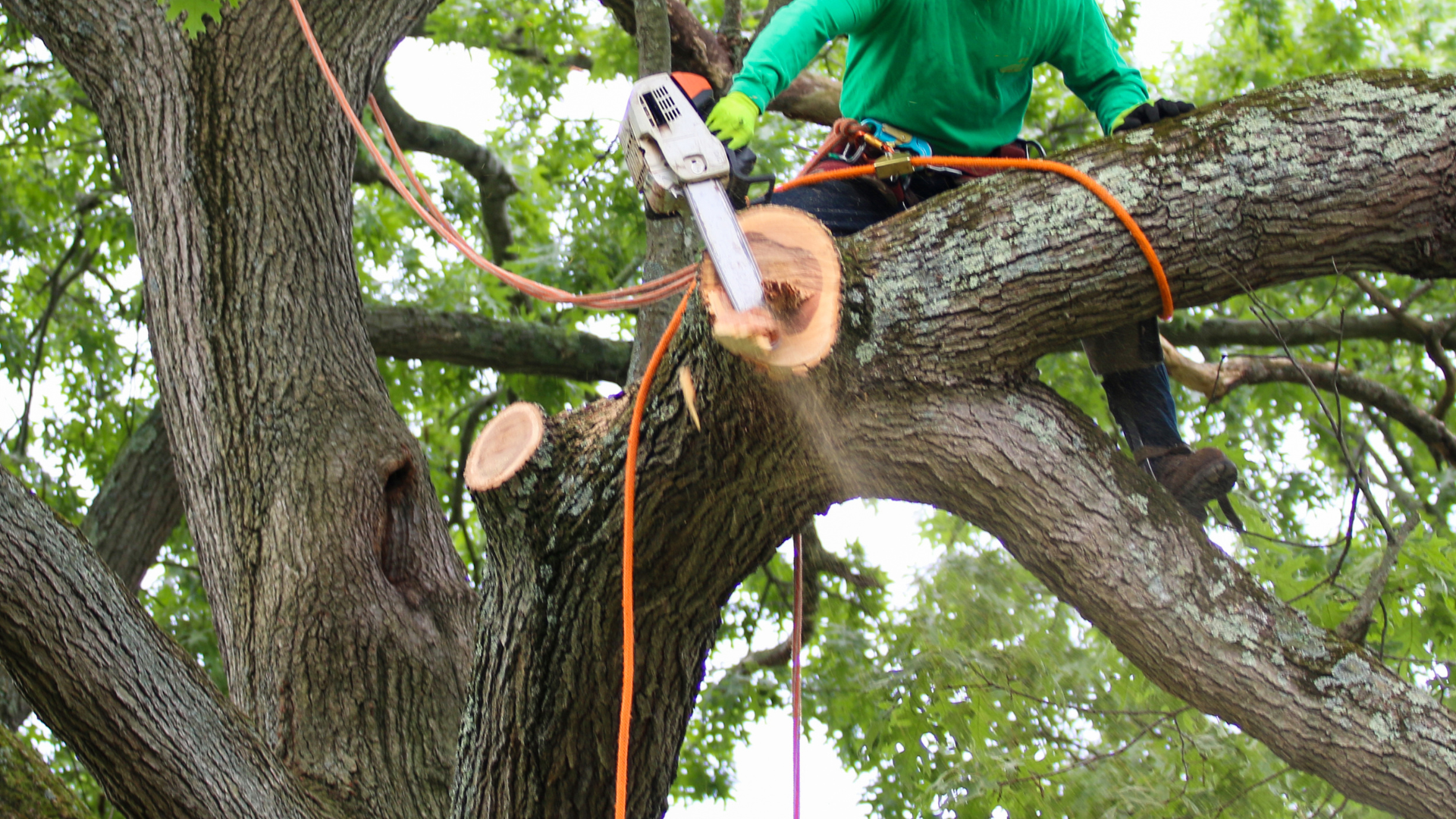
Tree removal focuses on individual trees. The crew evaluates a specific tree, plans how to bring it down safely, removes the trunk and canopy, and can grind the stump afterward. It is the better approach when the homeowner wants to preserve most of the surrounding landscape and only remove selected trees.


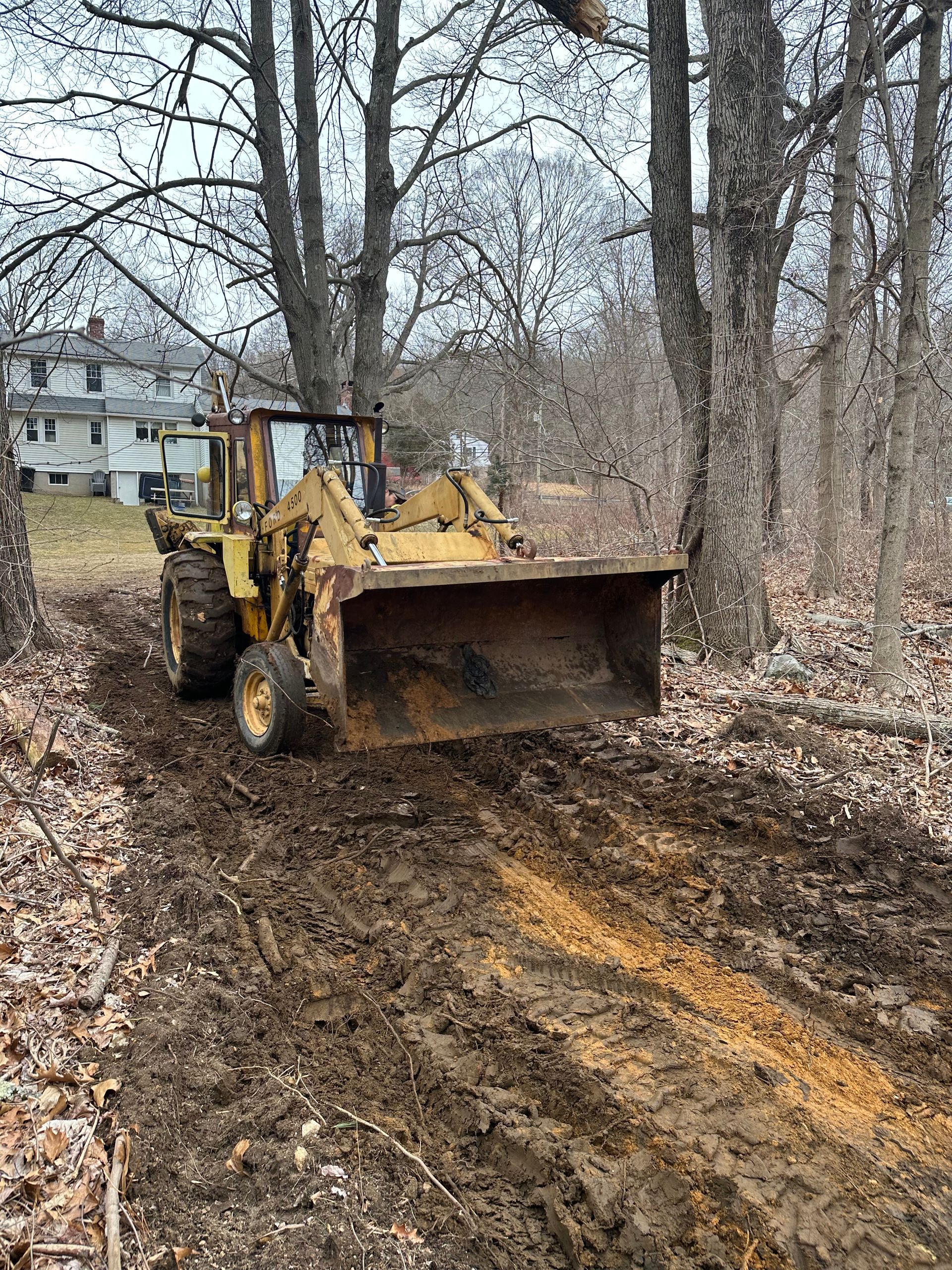
Land clearing addresses an area rather than one tree. It may combine brush clearing, invasive vegetation removal, forestry mulching, individual tree removal, stump grinding, and site cleanup to prepare the land for lawn, construction, access, recreation, or landscape renovation. White Oak's Madison land clearing service uses the method that fits the site instead of sending one machine to every property.


Which Service Fits Your Property? Use This Comparison

The decision becomes clearer when you define the problem in terms of scale and end use. A large oak threatening the house is a tree-removal project, while a half-acre of brush, saplings, bittersweet, and volunteer growth is a clearing project. Many Madison jobs use both methods because large trees must be removed individually before broader vegetation can be mulched or cleared.

Property Condition Tree Removal Land Clearing / Forestry Mulching
One hazardous tree Best fit Usually unnecessary
Two or three selected trees Best fit Usually unnecessary
Dense brush across a large area Too limited Best fit
Invasive vegetation along property line Sometimes Often
Overgrown half-acre or more Too narrow Often best
Construction lot preparation Part of scope Best fit
Preserve most mature trees Best fit Selective clearing possible
Reclaim abandoned side or rear yard May be part of scope Often
Tight landscaped backyard More precise Mulching may be too aggressive
Large wooded parcel Selective removals Clearing may be more efficient

The best solution may still be a combination. White Oak often removes trees that are too large, hazardous, or tightly positioned for the mulching head before broader clearing begins. That lets the project stay efficient without sacrificing control around important trees, structures, or property boundaries.


When Individual Tree Removal Is the Better Choice


You Only Need a Few Trees Removed

If the property is generally maintained and the problem is limited to one or several unwanted trees, full land clearing would create unnecessary disturbance. Individual removal gives the crew control over each tree while protecting lawn, landscaping, fences, and surrounding canopy. This is the same approach White Oak uses for tree removal in Madison.


You Want to Preserve the Surrounding Landscape

Tree removal is more precise when mature trees, privacy screens, ornamental beds, or nearby structures need to stay untouched. A climber can dismantle a tree in sections without opening the entire area. This is especially important on tighter Madison properties where there is little room between the tree and finished landscaping.


The Problem Is a Hazard, Not Overgrowth

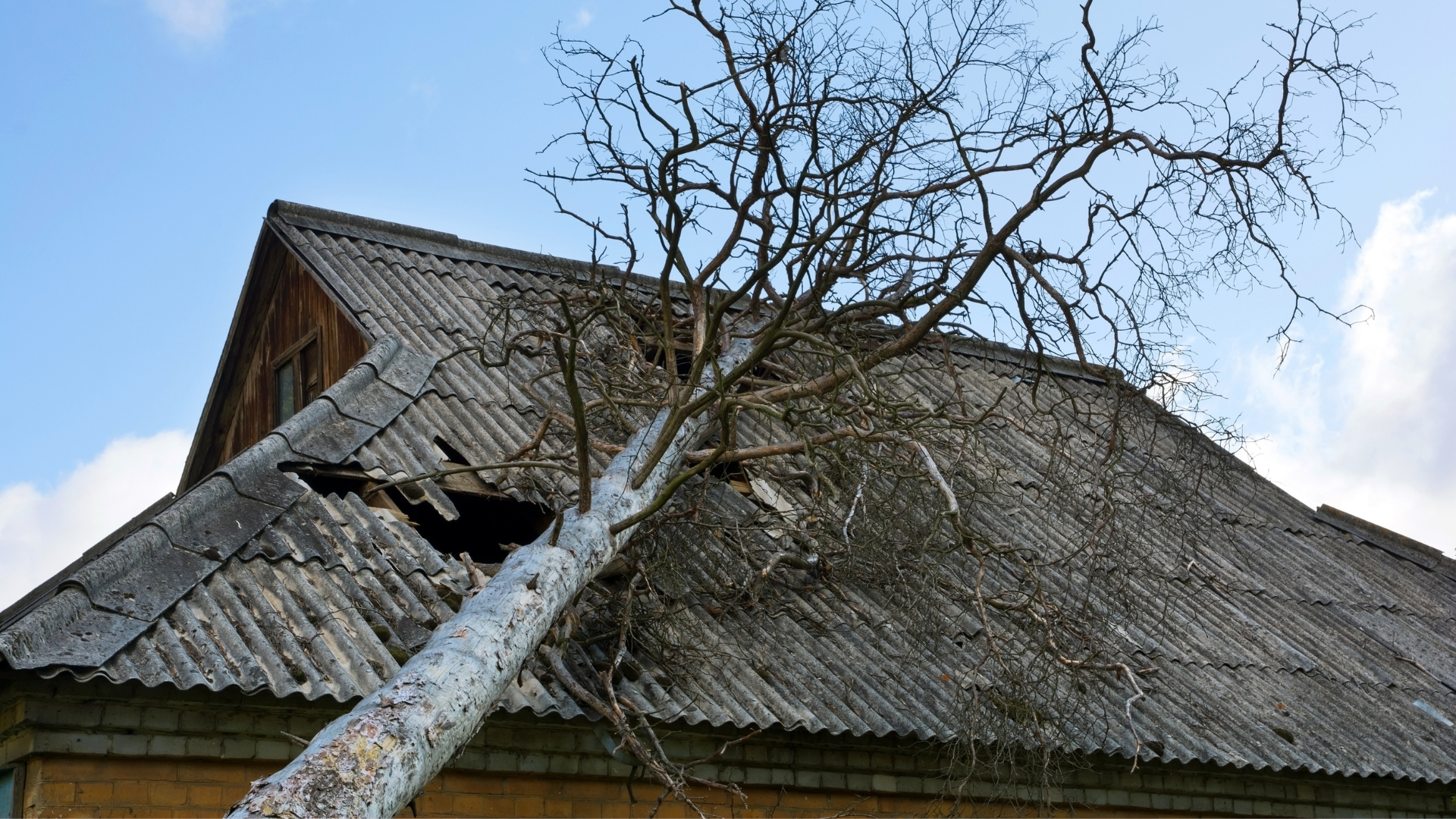
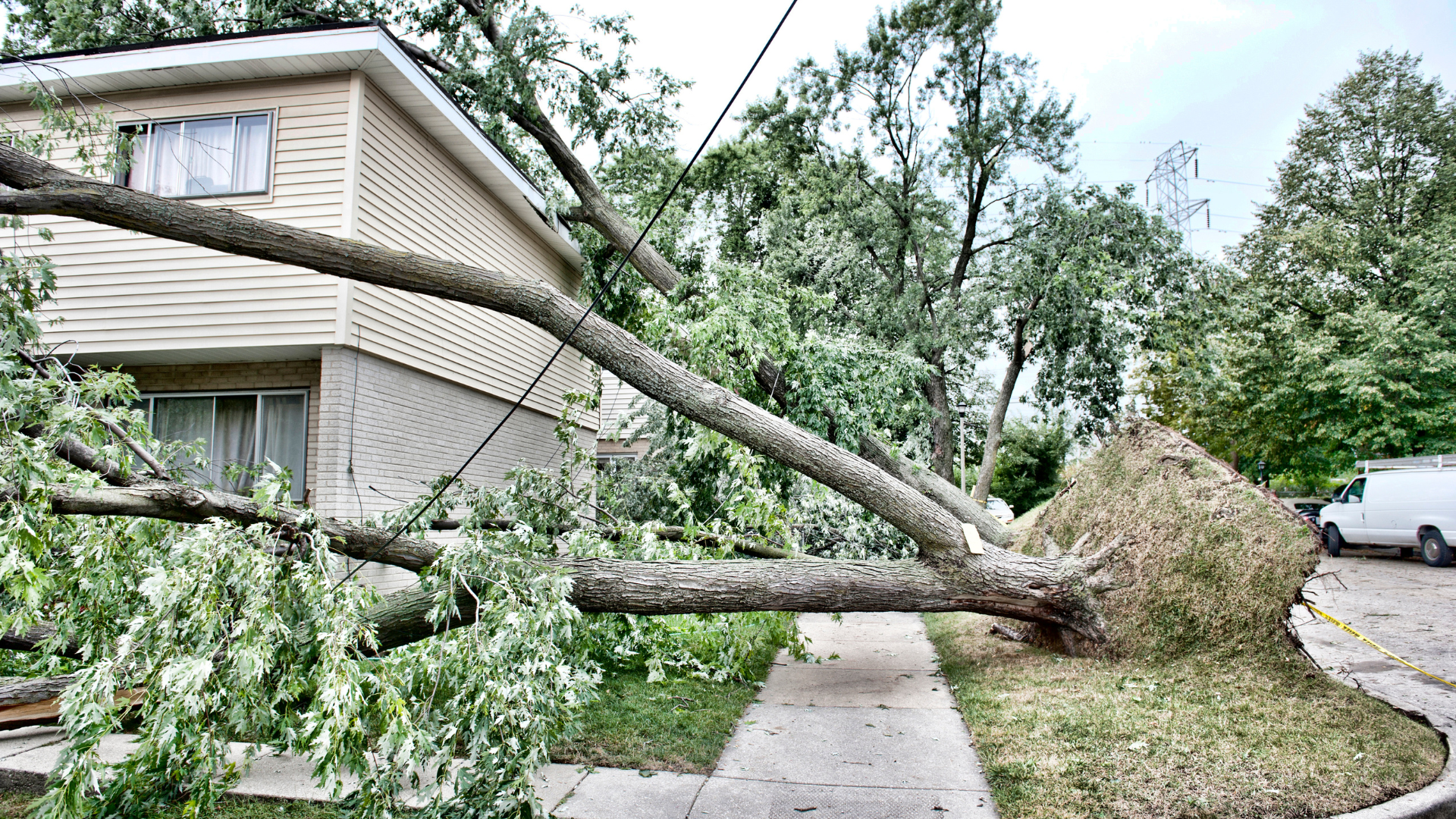
A dead oak over a driveway, split maple near the house, or storm-damaged pine is a hazard-tree problem rather than a land-clearing problem. The priority is controlling the individual tree and the risk it presents. Broader clearing only makes sense if the surrounding property has a separate overgrowth issue.


When Land Clearing Is the Better Choice


The Property Has Years of Dense Overgrowth

A side yard or rear acreage that has filled with saplings, invasive vines, brush, deadfall, and volunteer trees can become inefficient to address one stem at a time. Overgrown property clearing treats the area as a whole so access, debris handling, and future use can be planned together. This is where forestry mulching or conventional clearing usually becomes more efficient than repeated individual removals.


You Are Preparing a Lot for Construction or Access

Construction preparation often requires more than taking down a few trees. Trees, brush, stumps, and vegetation may all need to be removed to create space for foundations, driveways, utilities, grading, and equipment access. White Oak coordinates lot clearing with builders and contractors when the clearing must meet a specific construction schedule or finished grade.


Brush and Invasives Have Taken Over Property Lines

Overgrown property lines can hide boundary markers, reduce access, and allow invasive vegetation to spread into maintained portions of the yard. White Oak handles brush clearing and mechanical invasive removal as part of its land-clearing work. UConn Extension notes that major Connecticut invasives include oriental bittersweet, multiflora rose, autumn olive, Japanese barberry, and tree-of-heaven, all of which can outcompete native vegetation. UConn Extension Forestry invasive species guidance


You Need to Reclaim a Larger Area Efficiently

For dense vegetation over a half-acre or more, forestry mulching can reduce cutting, piling, hauling, and debris handling by processing smaller woody growth directly on site. The mulch layer remains behind and can help cover disturbed soil. White Oak uses forestry mulching when the vegetation, terrain, and future property use make it the more efficient approach.


Where Forestry Mulching Fits Into the Decision

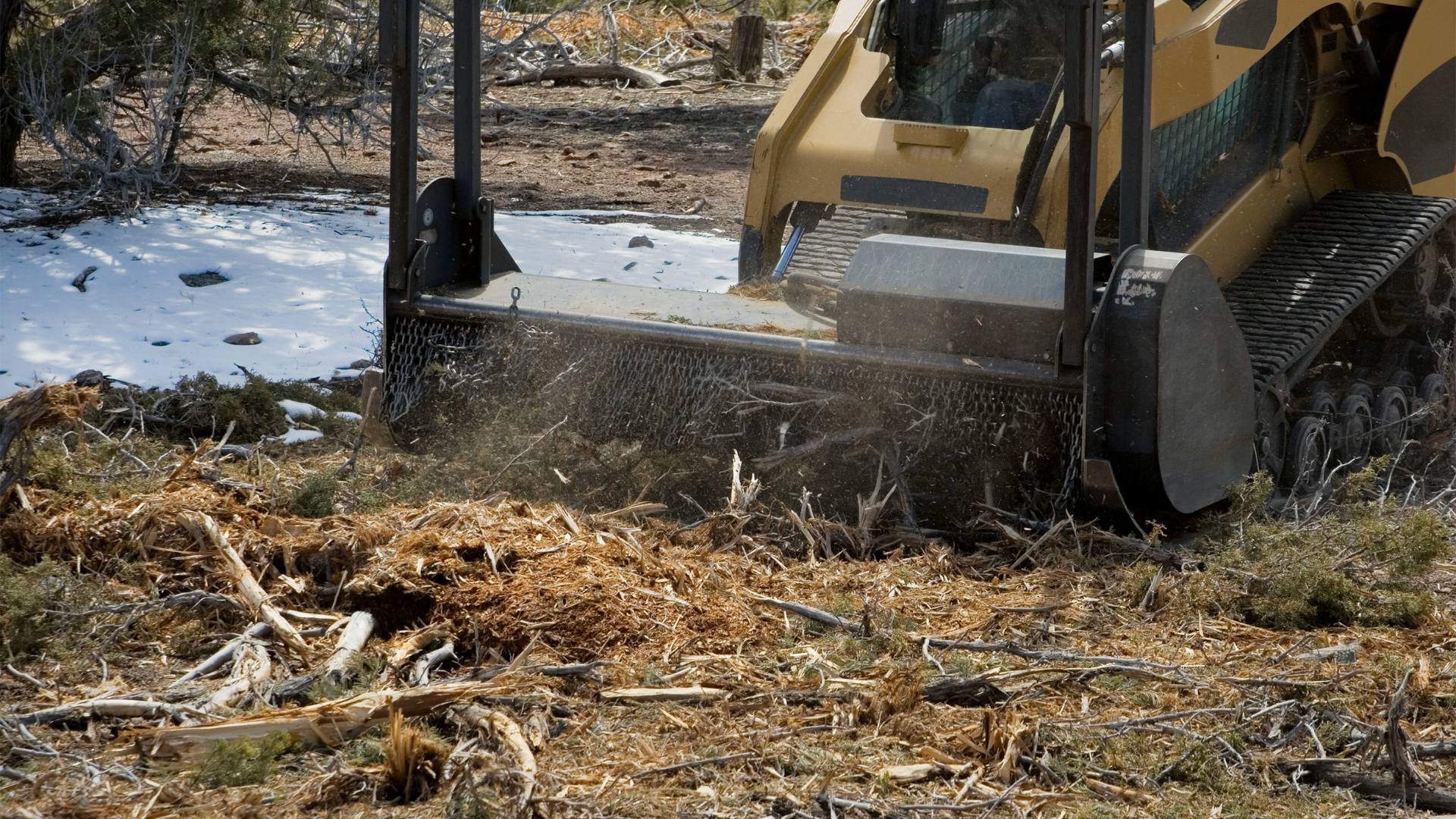
Forestry mulching is a land-clearing method, not a direct substitute for every tree removal. The machine grinds brush, saplings, smaller trees, and other vegetation into mulch in a single pass, leaving the material on site instead of creating large debris piles. That makes it well suited to wooded reclamation, invasive growth, overgrown acreage, and property-line work where hauling would otherwise become a major part of the project.


It is not always the best option in a tight residential yard. Large trees, trees near structures, sensitive landscaping, and precision work may need to be handled individually before mulching begins. White Oak evaluates the site first and uses conventional clearing where that provides better control.


Forestry Mulching Can Reduce Hauling

One of the main advantages is that smaller vegetation is processed where it stands. Fewer debris trucks may be needed, and the mulch left behind provides temporary ground cover over the cleared area. That can be useful on larger North Madison properties where access or hauling distance would otherwise increase labor and cost.


How Madison Location Changes the Clearing Plan


North Madison

North Madison includes larger wooded and semi-rural parcels where dense undergrowth, invasive vegetation, acreage reclamation, and property-line clearing can become larger projects. Forestry mulching is often more practical here than it would be on a compact shoreline lot because there is more room for equipment and more vegetation to process. Individual large trees can still be removed first when they exceed the mulching scope.


Neck Road

Neck Road properties can include established residences, wooded edges, privacy vegetation, and shoreline-influenced conditions. Selective clearing matters when homeowners want to open part of the property without stripping away every mature tree. The final plan may combine brush clearing, tree removal, pruning, stump grinding, and landscape restoration.


Boston Post Road

Properties along or near Boston Post Road can include homes, commercial sites, mixed-use parcels, and lots where access and visibility are part of the clearing goal. Here, the scope may involve restoring sight lines, clearing overgrown frontage, removing specific hazard trees, or preparing land for redevelopment. Equipment access, traffic exposure, and the intended future use all influence which method makes sense.


Wetlands and Permits Can Affect Madison Land Clearing

Madison's Inland Wetlands and Watercourses Agency regulates activities that may affect wetlands and watercourses, including work involving clearing, excavation, filling, and stormwater impacts. The Town notes that the agency's role includes protecting water quality, controlling erosion, and reviewing regulated activities that affect wetlands. Town of Madison Inland Wetlands and Watercourses Agency


That means an overgrown area should not simply be cleared because equipment can reach it. Properties near wetlands, watercourses, coastal areas, or regulated review zones may require review before work begins. White Oak is familiar with shoreline and inland permitting considerations and discusses site constraints during the free on-site assessment.


Clearing Method Should Match the Site

A responsible clearing plan should consider erosion, runoff, soil disturbance, mature trees that should remain, and how the property will be stabilized afterward. Forestry mulching can leave a protective mulch layer in appropriate areas, while conventional clearing may offer more precision near structures and sensitive boundaries. The method is selected around the property rather than convenience alone.


What Does Land Clearing or Tree Removal Cost in Madison?

White Oak publishes general Connecticut Shoreline pricing guidance for both services. Land clearing is driven by area, density, terrain, access, tree size, stump work, and the method used, while tree removal is priced around individual tree size, condition, position, and rigging complexity. Every Madison project still receives a free on-site assessment and exact written pricing before work is scheduled.
Service White Oak Current Planning Range
Residential brush or property-line clearing $1,500-$4,000
Lot clearing for construction $3,000-$10,000+
Forestry mulching Priced by acre or half-acre
Tree removal under 30 ft $500-$1,200
Tree removal 30-60 ft $1,200-$2,500
Tree removal over 60 ft $2,500-$5,000+
Free on-site assessment $0

These are current White Oak general ranges, not fixed prices for every Madison property. A lightly overgrown accessible side yard can fall at a very different level from dense acreage with large trees, stumps, wetlands considerations, and difficult access. Exact pricing requires seeing the site because those variables change how the job is staffed and which equipment is appropriate.


What Happens After the Property Is Cleared?

Clearing should be planned around what comes next. Some homeowners want an open lawn, while others are preparing for construction, restoring a property line, installing privacy screening, or simply creating a maintainable woodland edge. The finish requirement affects stump grinding, debris management, grading, planting, and whether additional landscape restoration should be included.


White Oak also provides property maintenance and landscape renovation in Madison after major clearing work. Stumps can be ground, areas can be prepared for lawn or planting, and new privacy trees can be installed where screening was lost. That allows the project to move from removal into a finished landscape instead of stopping at bare ground.

Choose the Service Based on the Scale of the Problem

If your Madison property is generally maintained and only one or two trees need to come down, individual tree removal is usually the cleaner and more precise solution. If the property has become a wall of brush, invasives, saplings, deadwood, and unmanaged growth, land clearing Madison CT service is usually a better fit. Large clearing projects can still include selective tree removal where mature trees need to be handled individually.


White Oak Tree & Landscaping uses conventional clearing, forestry mulching Madison CT property owners can use for larger overgrown areas, and precision tree removal where control matters most. The recommendation starts with what the land looks like now and what you want it to become afterward. That keeps the scope focused on reclaiming the property without removing more vegetation or disturbing more ground than the project actually requires.


Related Services & Pages

Land Clearing & Forestry Mulching in Madison
Tree Removal in Madison
Land Clearing Services
Property Maintenance in Madison
Stump Grinding in Madison
White Oak Tree & Landscaping

Share this article

Recent Posts

Worker using a chainsaw cuts a large tree branch while secured with ropes.
By Mike James September 15, 2026
Compare tree removal vs trimming for Madison, CT properties, including pruning, hazardous trees, large removals, risk assessment, and current local costs.
Excavator clearing dry brush in a snowy field near bare trees
By Mike James September 8, 2026
Learn 9 signs your overgrown Clinton property needs land clearing before fall rain, when forestry mulching fits, and what professional clearing may cost.
Dense green trees under a bright blue sky in a sunny forest clearing
By Mike James September 1, 2026
Learn when early leaf drop signals tree stress in Connecticut, what yellow or brown leaves mean, and when a professional tree inspection makes sense now.
Hands planting a small sapling with a trowel in a garden bed at sunset
By Mike James September 1, 2026
Learn why September is one of the best times to plant privacy trees in Connecticut, which species work best, how to space them, and what care matters.
Snow-dusted wooden house with a bare tree leaning across the roof under a cloudy sky
By Mike James August 25, 2026
Not every downed branch is an emergency, but some are. White Oak Tree explains 6 storm damage scenarios in Clinton CT that need a professional immediately.
Snow-covered trees in a wintry park or yard, with a building in the background
By Mike James August 11, 2026
Nor'easters and ice storms create tree emergencies that cannot wait until morning. White Oak Tree explains what makes them different and what to do first.
Yellow backhoe clearing a muddy wooded path beside a house in winter
By Mike James August 4, 2026
Both clear overgrown land, but they leave the ground very differently. White Oak Tree explains which clearing method fits your CT Shoreline property best.
Person using an orange chainsaw to cut a fallen tree branch in a leafy yard
By Mike James July 29, 2026
Proper tree trimming measurably lowers storm damage risk on CT Shoreline properties. White Oak Tree explains the 6 reasons it works, season after season.
Tree fallen across sidewalk beside house, blocking the path after a storm.
By Mike James July 21, 2026
After a storm hits Clinton, Madison, Old Saybrook, or Guilford, the question is not just what happened to the tree. It is whether the tree can be repaired, or whether it needs to come down now. White Oak Tree explains how that decision gets made correctly.
Calm lakeside with docks, boats, and houses among tall green trees in warm sunlight
By Mike James July 17, 2026
Restoring a Long Island Sound view on a Clinton CT property is not about taking down every tree in the way. White Oak Tree explains what the work actually involves, why it requires a climber, and how to do it without damaging the trees you want to keep.
Show More