8 Signs Overgrowth Is Hiding Drainage and Access Problems on Your Madison Property

Mike James • October 6, 2026

Why This Decision Matters More on CT Shoreline Properties

Dense vegetation can look merely untidy while concealing drainage, access, boundary, and maintenance problems. Vines can cover outlets, brush can erase a path, and saplings can hide low ground. Leaf drop improves visibility, but frozen ground or snow can delay work. An assessment helps distinguish selective brush removal, forestry mulching, conventional clearing, and routine maintenance.


White Oak Tree & Landscaping plans land clearing in Madison, CT around what an owner needs to see, reach, protect, or use. We identify removal zones, preserved trees, boundaries, wet areas, and the intended result. This prevents unnecessary clearing and gives the work a purpose. These signs show when overgrowth is more than a visual concern.


Why Hidden Property Conditions Matter Before Clearing

Overgrowth limits property inspection. Thick brush hides surface-water direction, stumps, wire, drainage structures, and grade changes. Cutting only the outer edge may reveal little about conditions farther inside. Clearing should begin with a visibility and access plan, not an assumption that every plant must go.


Identify utilities, boundaries, wetlands, desired trees, and drainage routes before equipment enters. Connecticut DEEP says clearing, grading, or excavation in or near inland wetlands and watercourses may require municipal approval. Its inland wetlands permitting guidance is a useful starting point for wet ground, streams, or mapped regulated areas. An assessment can then define a practical scope around protected features.

Hidden Condition Surface Clue Why It Matters
Blocked swale or outlet Water remains after surrounding ground dries Runoff may be trapped or redirected
Lost trail or access lane Only a narrow opening remains Equipment and emergency access may be limited
Obscured property line Markers or sight lines are no longer visible Clearing could cross an uncertain boundary
Invasive vine pressure Vines cover saplings and mature trunks Regrowth and tree damage may continue
Hidden debris or stumps Uneven ground beneath vegetation Work and future maintenance become less safe

Signs 1 and 2: Water Stands Longer and Drainage Paths Disappear


1. Wet Areas Stay Hidden Beneath Brush

One warning sign is soil that stays saturated after nearby ground dries. Vegetation can conceal a low spot, blocked ditch, or failed outlet. Wet-tolerant plants do not prove the area can support equipment. Moss, sediment lines, and repeated puddling help show where water lingers.


Before clearing, note when the wetness appears and how long it lasts. Useful observations include:

  • Whether water follows heavy rain or remains during dry periods
  • Whether the wet area sits below a roof, driveway, or uphill slope
  • Whether a pipe, swale, culvert, or stone channel is visible nearby
  • Whether sediment or leaf buildup blocks an apparent outlet
  • Whether the area may connect to a wetland or watercourse


Brush clearing in Madison, CT can expose a drainage feature but cannot automatically correct grade or groundwater. The first goal is to reveal the land shape and water route. Once visible, the owner can choose maintenance, drainage work, or regulatory review. Treating vegetation as the only cause can allow pooling to return.


2. A Swale, Culvert, or Outlet Can No Longer Be Followed

A shallow swale can disappear beneath leaves, vines, and saplings. Water may spread or divert around a blockage toward a lawn, driveway, or structure. Brush can also hide culvert ends. If the inlet and outlet cannot be traced, maintenance becomes guesswork.


Selective clearing can expose the route without stripping the slope. Stable vegetation should remain where roots help hold soil, and debris should stay out of the channel. Any reshaping or excavation should be evaluated separately. Clearing provides access, while drainage repair corrects the defect.


Signs 3 and 4: Access Routes Narrow and Boundaries Become Unclear


3. You Cannot Reach Part of the Property Safely

An old trail, rear lane, well route, or utility path may gradually become unusable. Vines, thorny shrubs, limbs, and saplings close the route from both sides. Lost access prevents easy inspection of drainage, fences, and remote trees. Reopening a defined route can preserve the surrounding woodland.


Look for these changes:

  • A path that requires stepping over repeated obstacles
  • Vegetation hiding holes, roots, rocks, or discarded materials
  • Branches preventing compact equipment from passing
  • No clear turnaround or safe endpoint
  • An access route that becomes impassable when wet


Define the route width and use before work begins. A walking trail needs less clearance than equipment or emergency access. Excess removal creates disturbance and future edge growth. White Oak can reopen access while preserving useful trees and screening.


4. Property Markers and Fence Lines Are Lost

Property line clearing helps when growth hides pins, walls, fences, or known reference features. Clearing does not establish a legal boundary, and crews should not guess. A surveyor may need to confirm an uncertain line before removal. That prevents crossed boundaries and avoidable disputes.


Once confirmed, the line can receive a maintainable sight corridor instead of a wide strip. The plan should identify trees, screening, and historic features to retain. On tighter Madison, Guilford, or Clinton lots, privacy may be as important as access. A defined corridor also simplifies fencing and future trimming.


Signs 5 and 6: Invasive Growth Spreads and Hazards Stay Out of View


5. Vines and Invasive Shrubs Are Moving Into Maintained Areas

Oriental bittersweet, porcelain berry, Japanese knotweed, autumn olive, and other aggressive plants can move from neglected edges into lawns, beds, fences, and tree canopies. The UConn Extension invasive plant triage framework recommends identifying high-value areas and prioritizing interventions where available resources can achieve the best result. That approach is more useful than clearing randomly across the largest possible area. It gives invasive vegetation removal a defined goal and follow-up plan.


Warning signs include:

  • Vines climbing desirable trees or pulling down young growth
  • Repeated shoots appearing beyond the original patch
  • Dense shrubs preventing native regeneration
  • Seed-producing plants spreading along disturbed edges
  • Growth crossing fences or reaching structures


Mechanical clearing can remove heavy top growth and restore access, but some invasive species resprout from roots or crowns. UConn notes in its Oriental bittersweet control guidance that repeated cutting of regrowth may be necessary for several years. A helpful proposal therefore distinguishes the initial clearing from monitoring and follow-up control. It should also explain which desirable vegetation will remain to reduce unnecessary disturbance.


6. Stumps, Wire, Rocks, and Fallen Limbs Cannot Be Seen

Waist-high brush can hide wire, debris, branches, holes, and stumps. These obstacles endanger people and equipment. They may change the method, sequence, and price. Mark known hazards before heavier work begins.

Avoid entering dense growth alone to investigate an obstacle. Photograph visible edges and share any history of fences, structures, or utilities. The crew can open a controlled route and reassess exposed ground. Hidden debris may require separate handling.


Signs 7 and 8: Growth Reaches Structures and Maintenance No Longer Works


7. Vegetation Blocks Inspection Around Buildings or Site Features

Brush around a shed, wall, septic component, drain, or utility can prevent inspection. Vines and volunteer trees may trap moisture, hide damage, or block service access. Not every nearby plant is harmful. The issue is losing safe visibility and maintenance clearance.


A practical clearing scope may include:

  • Opening a service path to equipment or utilities
  • Removing woody growth rooted against structures
  • Preserving stable landscaping that is not causing interference
  • Exposing drainage outlets or foundation edges for inspection
  • Leaving sufficient space for future maintenance


The reopened area should support repair, inspection, grading, or upkeep. Clearing is not a repair for structural or drainage damage. It creates access and reveals whether another specialist is needed. This distinction helps owners budget in the correct order.


8. Seasonal Cutting No Longer Keeps the Area Open

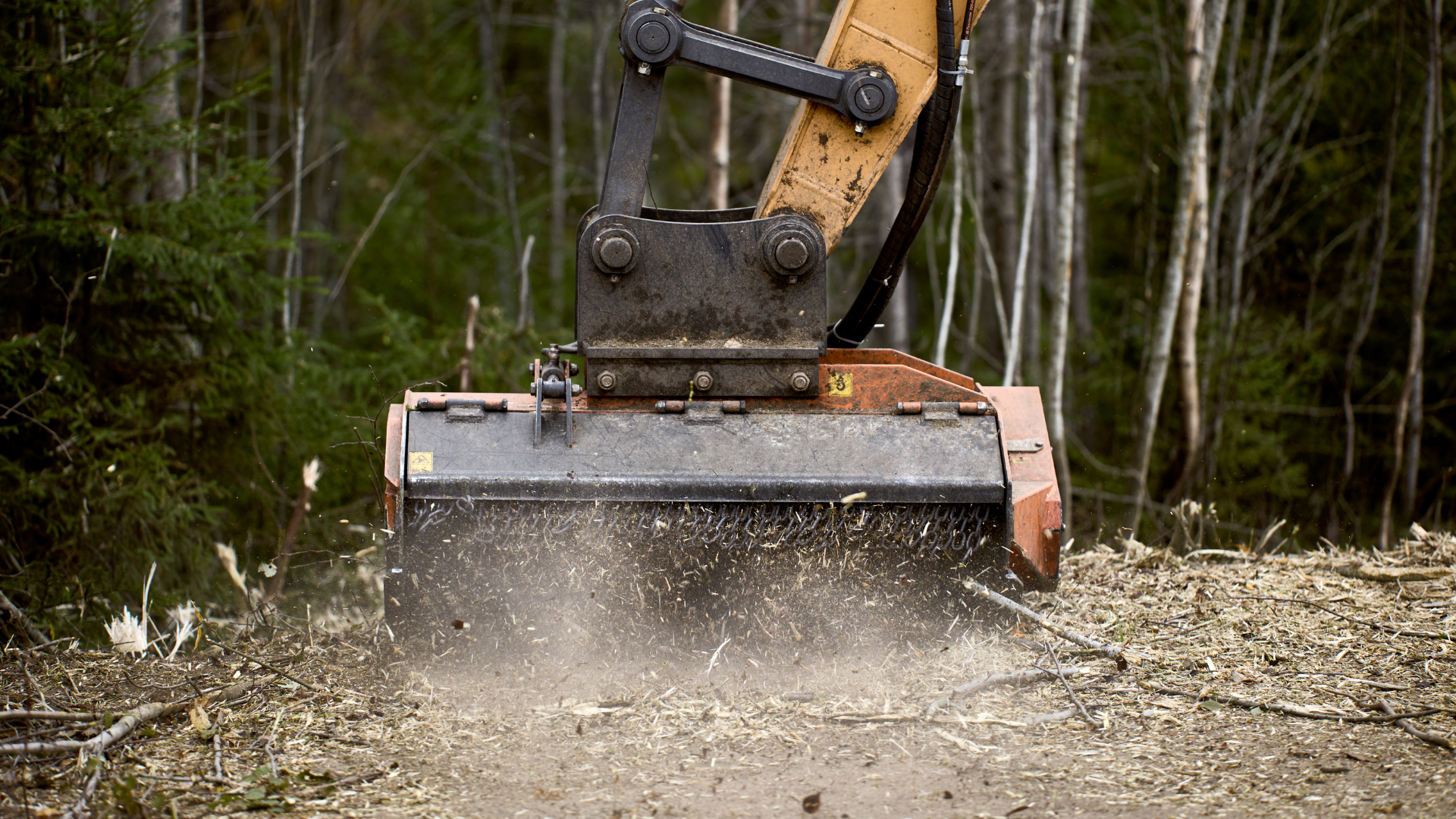
Hand cutting suits light growth that can be maintained regularly. It becomes inefficient across dense stems, saplings, vines, and recurring invasive growth. A corridor that closes every season signals a mismatch between vegetation and method. Overgrown property clearing or forestry mulching can provide a broader reset.


The work should remain selective. Open needed access and inspection areas while retaining stable woodland and screening. Newly exposed ground may regrow quickly, so maintenance must follow. The best result is a space the owner can realistically keep open.


What Land Clearing Can and Cannot Solve

Land clearing services restore visibility, reopen routes, remove brush, and prepare ground for another use. They can expose drains, create repair access, and make confirmed boundaries maintainable. Clearing also reduces invasive top growth and processes woody material. It cannot establish legal lines, repair drainage, remove every root, or prevent all regrowth.


That distinction matters when comparing proposals. A quote should define area, method, debris, stumps, preserved features, access, and finish. Lawn, construction, fencing, or planting may also require grading, stump work, or soil preparation. Defining the next use prevents an incomplete result.

Property Goal Likely Clearing Role Possible Follow-Up
Inspect a hidden drainage route Selectively expose the route Drainage evaluation or repair
Reopen a walking trail Remove brush, vines, and obstacles Surface stabilization and maintenance
Establish a fence corridor Clear along a confirmed boundary Survey, fencing, or screening
Reclaim dense acreage Mulch or clear unwanted vegetation Regrowth control and land preparation
Access a structure or utility Open a defined service zone Inspection or specialist repair

How Madison Property Conditions Change the Plan

Madison includes wooded inland parcels, established lots, and coastal properties. Constraints may include narrow access, wet soils, stone walls, privacy screening, and regulated drainage features. Guilford, North Branford, Clinton, and Killingworth can present similar overgrowth and access problems. The town name never determines the method.


We plan around terrain, access, density, end use, and protected features. A narrow side yard may need conventional brush removal, while accessible acreage may favor forestry mulching. Wetlands or watercourses may require municipal guidance first. The correct plan opens only what is needed for maintenance or the next approved phase.


How to Prioritize Clearing Work and Budget

Start with access and water, then address boundaries, invasives, and future use. An impassable route to a utility or an obscured drainage outlet usually deserves attention before a cosmetic edge. Confirm property lines and regulated areas before widening the scope. If the project is large, phasing can reopen the most useful area first while preserving options for later work.


Use this decision framework:

  1. Define the problem. Identify what cannot be seen, reached, inspected, or maintained.
  2. Confirm constraints. Mark utilities, known boundaries, wetlands, structures, and trees to preserve.
  3. Choose the method. Match hand clearing, conventional equipment, forestry mulching, or a combination to the site.
  4. Specify the finish. State whether material stays as mulch, is chipped, is hauled, or requires further grading.
  5. Plan follow-up. Account for drainage repair, fencing, invasive regrowth, stump work, or planting.


Estimated 2026 Market Context

White Oak’s published Madison guidance lists residential brush removal and property-line clearing at $1,500 to $4,000. Construction lot clearing is $3,000 to $10,000 or more, while forestry mulching is priced by acre or half-acre based on density and terrain. These are planning ranges, not fixed quotes. We provide a free on-site assessment and exact written pricing because access, acreage, trees, stumps, wetlands, debris, and finish all affect scope.

White Oak Service Example Published Planning Guidance Major Cost Factors
Residential brush or property-line clearing $1,500 to $4,000 Area, density, access, debris
Construction lot clearing $3,000 to $10,000 or more Acreage, trees, stumps, schedule
Forestry mulching Priced by acre or half-acre Density, terrain, machine access
Free on-site assessment $0 Property walk-through and written scope

Compare pricing against the same finish condition. One estimate may include stump grinding and cleanup while another covers only cutting. A lower number can cost more if debris removal or preparation remains. Written scope is as important as the range.

Reopen the Parts of Your Madison Property That Matter

Overgrowth deserves attention when it hides drainage, closes access, obscures boundaries, spreads invasives, or prevents inspection. White Oak Tree & Landscaping can identify where selective brush removal, forestry mulching, conventional clearing, or follow-up work fits. We preserve useful trees and screening that support the property goal. Every recommendation begins with the actual site.


If you need land clearing in Madison, CT, contact White Oak Tree & Landscaping for a free on-site assessment and written estimate. Our team has served the Connecticut Shoreline since 1991 and understands local terrain, access, vegetation, and permitting. We define what gets cleared, what stays, how material is handled, and the final condition. That creates a practical path from hidden problems to maintainable ground.


Related Services & Pages

Land Clearing Madison CT and Forestry Mulching

Land Clearing Services

Stump Grinding in Madison

Property Maintenance in Madison

Contact White Oak Tree & Landscaping

Share this article

Recent Posts

Excavator blade scraping dirt and dust on a forest trail
By Mike James • October 6, 2026
See five areas forestry mulching can reopen on Madison properties, how it works, what should remain, and how to plan the work safely before winter arrives.
Dense green grass filling the frame, with a few yellow wildflowers scattered throughout.
By Mike James • September 29, 2026
Learn why invasive brush returns after forestry mulching, how Clinton property owners can manage regrowth, and what an effective follow-up plan includes.
Orange compact loader clearing dirt on a dusty construction site
By Mike James • September 29, 2026
Learn how to plan property line clearing in Clinton, confirm boundaries, protect trees and wetlands, choose the right method, and understand likely costs.
Arborist in a red helmet climbing a tree with safety gear in a wooded area
By Mike James • September 22, 2026
Learn why fall is practical for reclaiming overgrown Madison property, choosing a clearing method, managing invasives, and planning the land's next use.
Overhead view of large tree branches around a trunk in a leaf-covered yard near a concrete walkway
By Mike James • September 22, 2026
Learn why mature Madison trees need attention before late-fall storms, which warning signs require trimming, and when removal may be the safer choice.
Front yard with tree debris and mulch, a worker near a house, and a fallen log by the curb.
By Mike James • September 15, 2026
Compare land clearing vs tree removal for overgrown Madison properties, including brush clearing, forestry mulching, lot clearing, and current local costs.
Worker using a chainsaw cuts a large tree branch while secured with ropes.
By Mike James • September 15, 2026
Compare tree removal vs trimming for Madison, CT properties, including pruning, hazardous trees, large removals, risk assessment, and current local costs.
Excavator clearing dry brush in a snowy field near bare trees
By Mike James • September 8, 2026
Learn 9 signs your overgrown Clinton property needs land clearing before fall rain, when forestry mulching fits, and what professional clearing may cost.
Dense green trees under a bright blue sky in a sunny forest clearing
By Mike James • September 1, 2026
Learn when early leaf drop signals tree stress in Connecticut, what yellow or brown leaves mean, and when a professional tree inspection makes sense now.
Hands planting a small sapling with a trowel in a garden bed at sunset
By Mike James • September 1, 2026
Learn why September is one of the best times to plant privacy trees in Connecticut, which species work best, how to space them, and what care matters.
Show More