
When Overgrown Land Becomes a Winter Access Problem on Madison Properties

Mike James • October 13, 2026

Why This Decision Matters More on CT Shoreline Properties

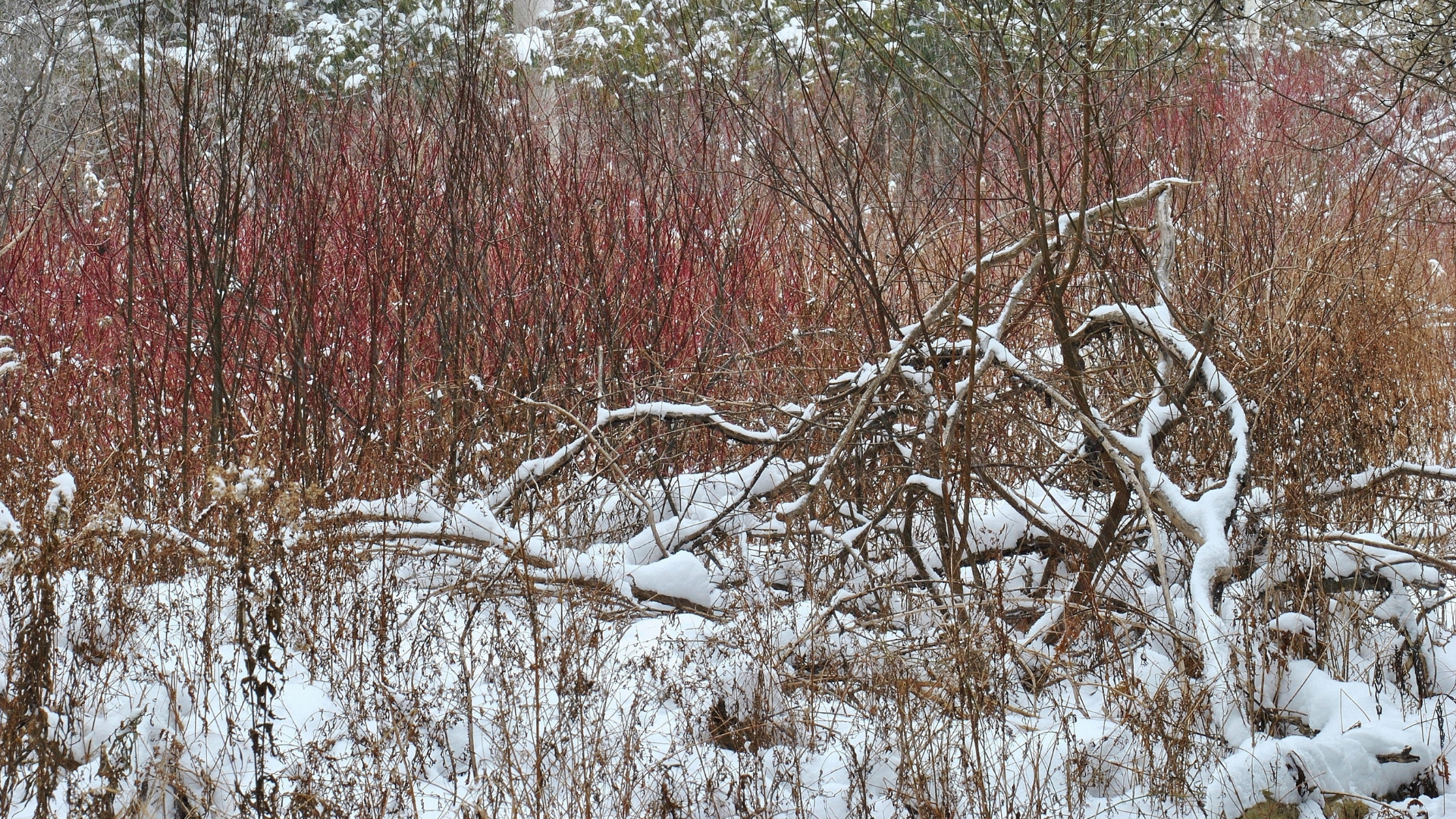
Overgrown land becomes a winter access problem when brush, saplings, fallen limbs, stumps, or narrow routes keep people and equipment from reaching an important part of the property safely. A route that feels inconvenient in dry weather may become unusable after leaves fall, the ground saturates, snow narrows the opening, and ice covers hidden obstacles. Land clearing in Madison, CT can reopen selected routes before those conditions arrive, but the work should start with a clear purpose. The goal is dependable access, not removing every tree or natural feature.


Some Madison properties need a path to utilities, a drainage outlet, a rear structure, a fence line, or wooded acreage that still requires maintenance. Others need enough width for tree equipment, plowing, deliveries, emergency work, or future construction. White Oak Tree & Landscaping provides Madison land clearing and forestry mulching based on the actual route, terrain, vegetation, and intended use. Homeowners in Guilford, Clinton, and Killingworth can use the same planning process while accounting for different slopes, soils, and site constraints.


When Overgrowth Becomes a Winter Access Problem

An area does not need to be completely impassable to create a winter concern. Brush that rubs both sides of a vehicle, hides the route edge, blocks sightlines, or forces people onto uneven ground has already reduced usable access. Snow and ice then remove the margin that made the route barely workable. Waiting until access is urgently needed can limit safe equipment choices and increase the scope of emergency work.


The key test is whether the route still supports its required user under poor conditions. A footpath, utility lane, tree-service entrance, and construction access road require different width, grade, overhead clearance, and surface stability. The destination matters because opening a corridor that ends at a wet area, locked gate, or unsafe turnaround does not solve the problem. A site plan should therefore define the full trip from entrance to destination and back out again.


Which Access Routes Should Be Prioritized

Start with routes tied to safety, essential maintenance, or a time-sensitive project. A scenic trail may be useful, but it should not take priority over access to a septic component, drainage outlet, propane area, emergency egress, or hazardous tree. Mark destinations before selecting the clearing method so the crew can protect nearby features.


Priority routes may include:

  • Primary and secondary driveways where encroaching branches or brush reduce vehicle clearance and sightlines.
  • Utility access to wells, septic components, generators, propane equipment, meters, and service connections.
  • Drainage access to catch basins, swales, culverts, outlets, ditches, and low areas that require inspection.
  • Tree-work access to dead, leaning, storm-damaged, or difficult trees that may need equipment and rigging space.
  • Building access to barns, sheds, detached garages, rear entrances, and unoccupied structures.
  • Property-line and fence routes needed for inspection, repair, surveying, or neighbor coordination.
  • Emergency movement routes that must remain clear enough for responders, maintenance crews, or safe exit.
  • Future project routes for construction, drainage improvements, landscaping, or utility installation.
Route type Winter consequence of poor access Planning priority
Driveway edge Reduced visibility and plow clearance High when regularly used
Utility route Delayed service or unsafe footing High when equipment is essential
Drainage route Blockage cannot be inspected or cleared High before repeated freezing
Tree-work entrance Hazardous tree cannot be reached efficiently High when failure targets exist
Fence or boundary line Damage and encroachment remain hidden Medium unless security is affected
Recreational trail Seasonal use becomes difficult Based on actual winter use

Snow and Ice Amplify Hidden Ground Hazards

Snow changes more than visibility. It fills depressions, softens the apparent edges of stumps and rocks, and creates a smooth surface over holes, wire, roots, and debris. Ice can form beneath the snow where standing water crosses a path, producing a hazard that is difficult to recognize from above. A route should be inspected and marked while the ground is still visible.


The CDC’s winter safety guidance notes that many cold-weather injuries occur from falls on ice-covered driveways, sidewalks, steps, and porches. OSHA likewise recommends clearing walking surfaces of snow and ice promptly to reduce slips, trips, and falls. Vegetation removal will not prevent ice by itself, but it can expose drainage, widen the usable surface, and remove hidden trip points before winter. Final grading, drainage, surfacing, or deicing may still be necessary for the route’s intended use.


Dense Vegetation Can Restrict Equipment and Emergency Movement

Access must be wide and stable enough for the machine or vehicle that will actually use it. A person may squeeze through a narrow opening that a stump grinder, chipper, forestry mulcher, bucket truck, plow, or emergency vehicle cannot enter. Low limbs, tight turns, soft shoulders, and missing turnaround space can be just as limiting as brush in the center.


Before opening a route, document:

  • The required machine or vehicle width, height, weight, and turning needs.
  • Gate openings, stone walls, fences, posts, and narrow points.
  • Overhead branches, service drops, communication lines, and other utilities.
  • Surface roots, stumps, rocks, washouts, and soft ground.
  • Slopes, cross-slope travel, drainage crossings, and sharp grade changes.
  • Space to stage equipment, process material, and turn around safely.
  • Neighboring property, easements, and features that must remain undisturbed.
  • The destination and whether work can actually be performed once it is reached.


Clearing width should not be guessed from the narrowest machine dimension. Operators also need working clearance, room for attachments, and space to avoid unstable edges or overhead conflicts. A route built for one project may require modification before a larger contractor or emergency crew can use it. Usable access includes approach, work area, and exit, not only the corridor between them.


Drainage Failures Can Make a Cleared Route Unusable

An open route can still fail when water crosses it, collects in wheel tracks, or saturates the soil. Ruts become channels, shallow depressions become ice patches, and repeated freeze-thaw cycles can loosen the surface. Dense brush may hide the swale, culvert, seep, or ditch responsible for the condition. Clearing should expose the water path so the next recommendation is based on evidence.


Some wet areas also have regulatory significance. Connecticut DEEP advises property owners that clearing, grading, piping, filling, excavating, or related work in or near inland wetlands and watercourses may require review and approval from the municipal wetlands agency. The route may need to avoid a sensitive area, use a different entrance, or wait for proper authorization and suitable ground conditions. A clearing proposal should never assume that overgrowth makes a wet route available for disturbance.


Forestry Mulching or Selective Clearing?

Forestry mulching is often efficient where dense brush, vines, saplings, and small woody growth cover an accessible area. The machine processes suitable vegetation in place and leaves a mulch layer that helps protect soil. Selective clearing provides tighter control near structures, fences, utilities, mature trees, gardens, drainage features, and narrow residential areas. Larger trees, construction preparation, or a specific finished grade may require conventional clearing combined with other services.


The route’s next use determines whether the remaining mulch, stumps, roots, and grade are acceptable. A woodland trail may function well with processed mulch, while a driveway or equipment lane may need stump grinding, excavation, drainage, and a compacted surface. Connecticut DEEP supports chipping and reuse of clean brush and wood, but material handling still needs to be stated in the project plan. The property owner should know what will remain before work begins.

Route condition Suitable approach Additional work to consider
Dense brush on accessible wooded acreage Forestry mulching Monitor regrowth and mulch depth
Narrow path near structures or fencing Selective clearing Hand work and precise debris handling
Large trees within the corridor Individual tree removal Rigging, stump work, and overhead clearance
Stumps in a vehicle route Stump grinding or excavation Surface preparation and settlement planning
Wet or soft route Delay or redesign after review Drainage, permits, and stabilization
Future driveway or construction entrance Conventional site preparation Grading, base material, and contractor specifications

Plan Width, Surface, and Destination Before Clearing

A functional route begins with dimensions and ends with a defined destination. If a future contractor will use it, obtain the expected clearance, turning, grade, and load requirements before vegetation is removed. That information can prevent clearing the wrong line or opening a route that remains too narrow.


The plan should answer:

  • Who or what must use the route during winter?
  • How often will it be used, and during which weather conditions?
  • What minimum width and overhead clearance are needed?
  • Can the ground support the expected equipment without rutting?
  • Where will water cross or drain beside the route?
  • Which trees, stone walls, screening, and habitat features should remain?
  • Does the destination have enough room for work and turnaround?
  • Will stumps, roots, mulch, or uneven grade interfere with the next use?
  • Who will maintain regrowth, fallen limbs, snow, ice, and drainage afterward?


When the route contains old stumps, White Oak’s stump grinding service in Madison can be coordinated with clearing. If dead or unstable trees affect the entrance or work zone, tree removal in Madison may need to happen first. Surface construction, drainage engineering, surveying, or utility work may belong to another qualified contractor. The clearing plan should make those handoffs visible instead of implying that vegetation removal completes every stage.


Use a Decision Framework for Winter Access

The best decision begins with urgency and intended use. An essential route with a known hazard deserves attention before a lightly used trail, but urgency does not eliminate the need to confirm boundaries, utilities, wetlands, and safe equipment access. Work should proceed in the order that controls risk and avoids rework.


Use this framework:

  • Clear before winter when an essential driveway, utility route, drainage feature, or building entrance is becoming difficult to reach.
  • Address tree risk first when dead limbs, leaning trees, cracks, decay, or root movement threaten the route.
  • Confirm the property line before clearing near a neighbor, fence, stone wall, easement, or uncertain boundary.
  • Request municipal review when wetlands, watercourses, saturated soils, or regulated buffers may be involved.
  • Choose forestry mulching for accessible areas with broad, dense woody growth and a suitable mulch finish.
  • Choose selective clearing where precision matters around structures, utilities, desirable trees, and narrow spaces.
  • Add stump work and surfacing when vehicles, plows, or frequent foot traffic require a level route.
  • Delay heavy equipment when wet soil, steep terrain, or unstable ground would cause damage or unsafe operation.
  • Plan maintenance for invasive regrowth, new deadfall, snow, ice, drainage, and seasonal inspections.


This framework applies throughout Madison, Guilford, Clinton, and Killingworth, but the answer changes with each property. Shoreline soils, inland slopes, wooded acreage, wet ground, and residential access limits can call for different machines and timing. White Oak walks the route, defines the boundary, and matches the method to the desired finish. The recommendation should explain what the work will accomplish and what remains outside the clearing scope.


Current White Oak Pricing and Scope Factors

White Oak’s Madison service page publishes current Connecticut Shoreline planning ranges rather than a one-price-fits-all rate. Residential brush removal and property-line clearing typically ranges from $1,500 to $4,000, and construction lot clearing commonly ranges from $3,000 to $10,000 or more. Forestry mulching is priced by the acre or half-acre based on vegetation density and terrain, while invasive vegetation management is priced around the infestation and expected treatment cycles. We provide a free onsite assessment and exact written estimate after evaluating the route, access, trees, stumps, terrain, regulated areas, debris strategy, and required finish.

White Oak service Published planning range Main cost variables
Residential brush or property-line clearing $1,500 to $4,000 Length, width, density, access, and finish
Construction lot clearing $3,000 to $10,000 or more Acreage, trees, stumps, and site coordination
Forestry mulching Priced by acre or half-acre Terrain, density, access, and machine time
Invasive vegetation management Site-specific Species, extent, and repeat clearing cycles
Onsite assessment and written estimate Free Actual route and property conditions

Clear a Usable Route Before Winter Conditions Take Over

Overgrowth becomes a real access problem when it prevents safe movement to something the property owner must reach. White Oak Tree & Landscaping evaluates the entire route, including vegetation, tree risk, stumps, grade, drainage, boundaries, equipment clearance, work space, and the final destination. We recommend forestry mulching, selective clearing, tree removal, stump grinding, or a coordinated sequence based on that inspection. The result should be a route that works for its intended purpose and can be maintained after the first clearing.


If a Madison driveway edge, utility path, drainage route, fence line, or wooded access lane is closing in, arrange the site walk before snow and ice reduce visibility. Explore our Madison land-clearing service or request a free onsite estimate. We serve Madison, Guilford, Clinton, Killingworth, and nearby Connecticut Shoreline communities. Our team will define the route, explain the clearing method, and provide exact written pricing for the actual property.


Related Services & Pages

Land Clearing and Forestry Mulching in Madison

Tree Removal in Madison

Stump Grinding in Madison

Property Maintenance and Landscape Renovation in Madison

Contact White Oak Tree & Landscaping

Share this article

Recent Posts

By Mike James • October 13, 2026
Dense brush can make part of a property look untidy while concealing conditions that deserve attention before winter. Vines, invasive shrubs, saplings, fallen limbs, and tall growth can hide stumps, holes, drainage channels, weak trees, debris, and grade changes. Once snow covers the area and ice forms beneath it, those hazards become harder to see and access becomes more difficult. Professional brush clearing in Madison, CT reveals what is happening on the ground so the owner can decide what needs correction. The useful goal is not to strip every wooded edge or turn natural acreage into lawn. It is to open the areas that affect walking routes, drainage, structures, utilities, property boundaries, and future maintenance while preserving vegetation that belongs. White Oak Tree & Landscaping provides land clearing and forestry mulching in Madison for properties that need selective access improvement or broader reclamation. The same planning approach helps homeowners in Guilford, Clinton, and Killingworth prepare overgrown areas before winter reduces visibility. Why Dense Brush Becomes Harder to Evaluate in Winter Leaf drop improves visibility above the ground, but snow can quickly erase the details that matter underfoot. A shallow depression, cut stump, rock, loose branch, or discarded wire may disappear beneath only a few inches of accumulation. Frozen vegetation can also lean into a route that seemed passable during dry weather. By the time the problem is obvious, the safest season for walking and inspecting the area may already have passed. Winter moisture changes the condition of the ground as well as the view. Saturated soil, freeze-thaw movement, and ice can make slopes, low areas, and informal paths less stable. OSHA’s winter-weather guidance emphasizes that snow and ice increase slip, trip, and fall risks and that walking surfaces should be cleared promptly. A prewinter property walk allows hidden obstacles to be marked or removed before traction and access become worse. Seven Problems Dense Brush Can Hide Before Snow The first inspection should look beyond the visible leaves and vines. Walk only where footing is known, and avoid entering growth that may conceal holes, wire, unstable limbs, or poison ivy. Ground-level photos and boundary maps can help document what needs professional evaluation.  Common hidden conditions include: Dead limbs and weakened trees: Brush can hide hanging branches, decay, basal damage, or trees leaning toward a driveway or structure. Old stumps and surface roots: Cut stems, root flares, and partially decayed stumps create trip points and can interfere with plowing or equipment movement. Holes and uneven grade: Animal burrows, washouts, abandoned post holes, and depressions may remain invisible until someone steps into them. Blocked drainage paths: Leaves and woody growth can cover swales, culvert inlets, ditches, and low spots where water collects and later freezes. Property-line obstructions: Vines, volunteer trees, and brush can make fences, markers, gates, and maintenance access difficult to locate. Discarded materials: Wire, metal, masonry, fencing, and debris can damage equipment or injure someone. Invasive vines and shrubs: Bittersweet, multiflora rose, autumn olive, and similar growth can overtake desirable trees and quickly reclaim an opened route.
Excavator blade scraping dirt and dust on a forest trail
By Mike James • October 6, 2026
See five areas forestry mulching can reopen on Madison properties, how it works, what should remain, and how to plan the work safely before winter arrives.
Yellow backhoe loader with raised bucket on muddy ground near green trees and a building
By Mike James • October 6, 2026
Learn eight signs that overgrowth is hiding drainage, access, boundary, and safety problems on your Madison property before winter. Plan safe work now.
Dense green grass filling the frame, with a few yellow wildflowers scattered throughout.
By Mike James • September 29, 2026
Learn why invasive brush returns after forestry mulching, how Clinton property owners can manage regrowth, and what an effective follow-up plan includes.
Orange compact loader clearing dirt on a dusty construction site
By Mike James • September 29, 2026
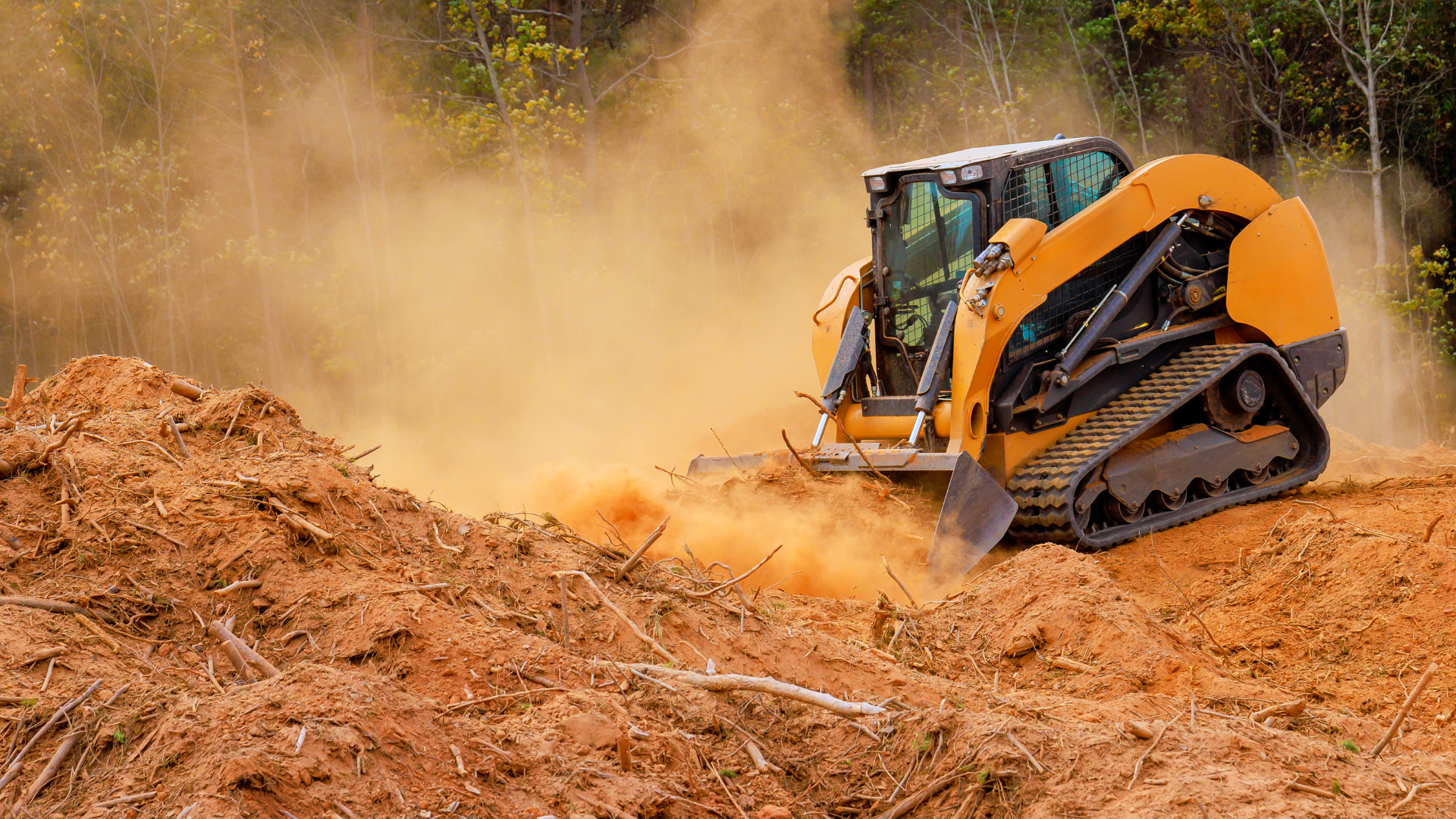
Learn how to plan property line clearing in Clinton, confirm boundaries, protect trees and wetlands, choose the right method, and understand likely costs.
Arborist in a red helmet climbing a tree with safety gear in a wooded area
By Mike James • September 22, 2026
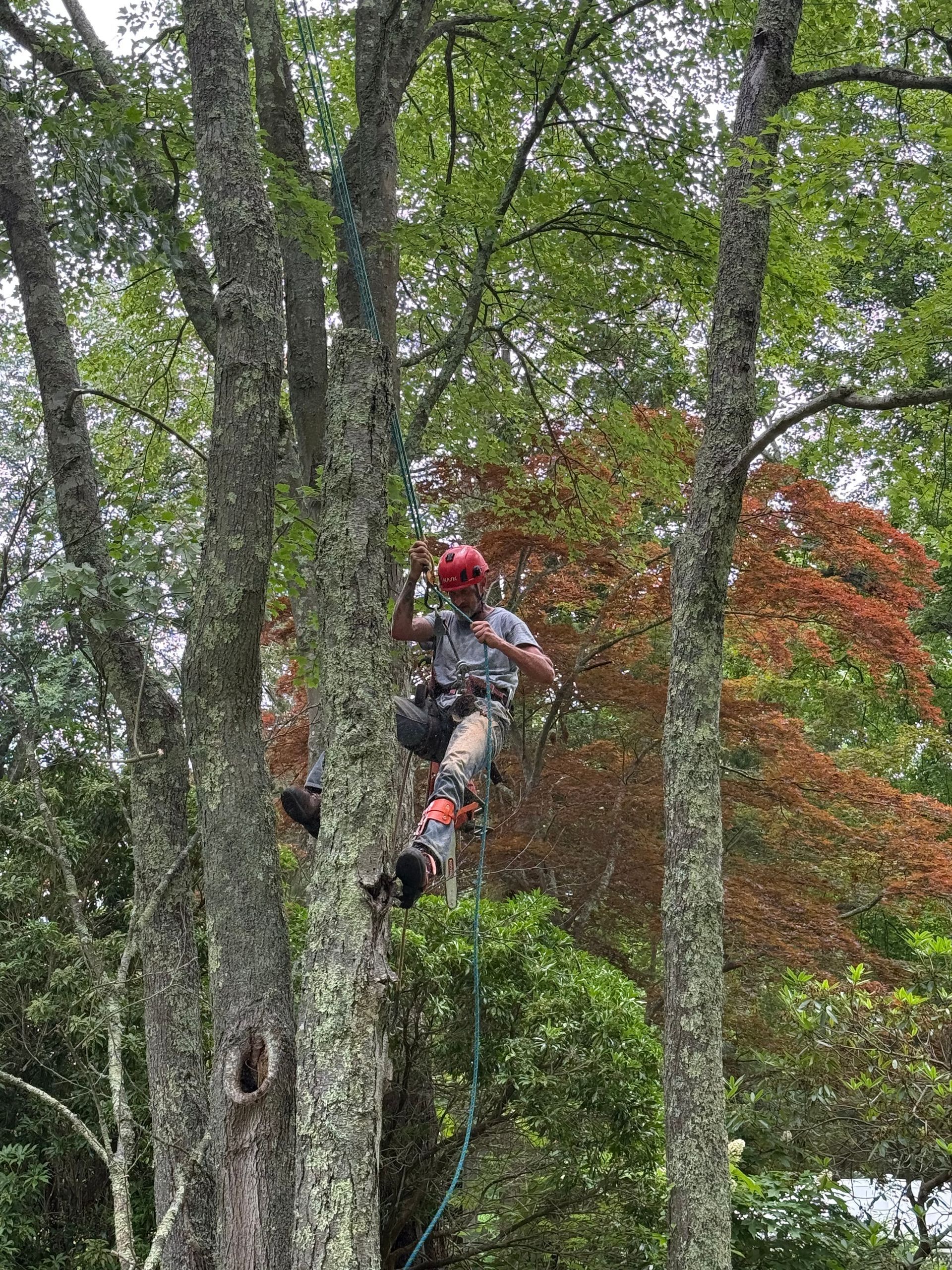
Learn why fall is practical for reclaiming overgrown Madison property, choosing a clearing method, managing invasives, and planning the land's next use.
Overhead view of large tree branches around a trunk in a leaf-covered yard near a concrete walkway
By Mike James • September 22, 2026
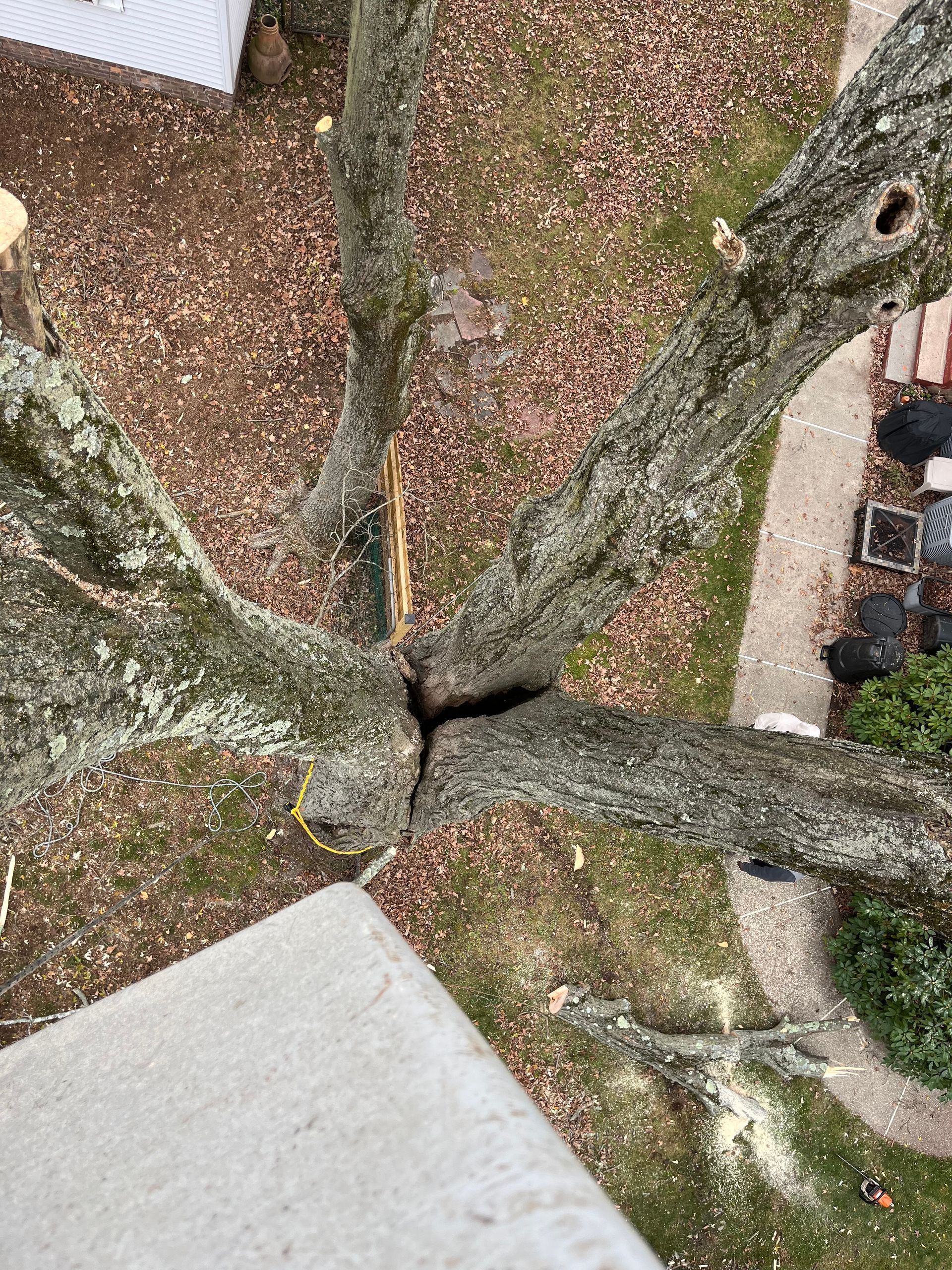
Learn why mature Madison trees need attention before late-fall storms, which warning signs require trimming, and when removal may be the safer choice.
Front yard with tree debris and mulch, a worker near a house, and a fallen log by the curb.
By Mike James • September 15, 2026
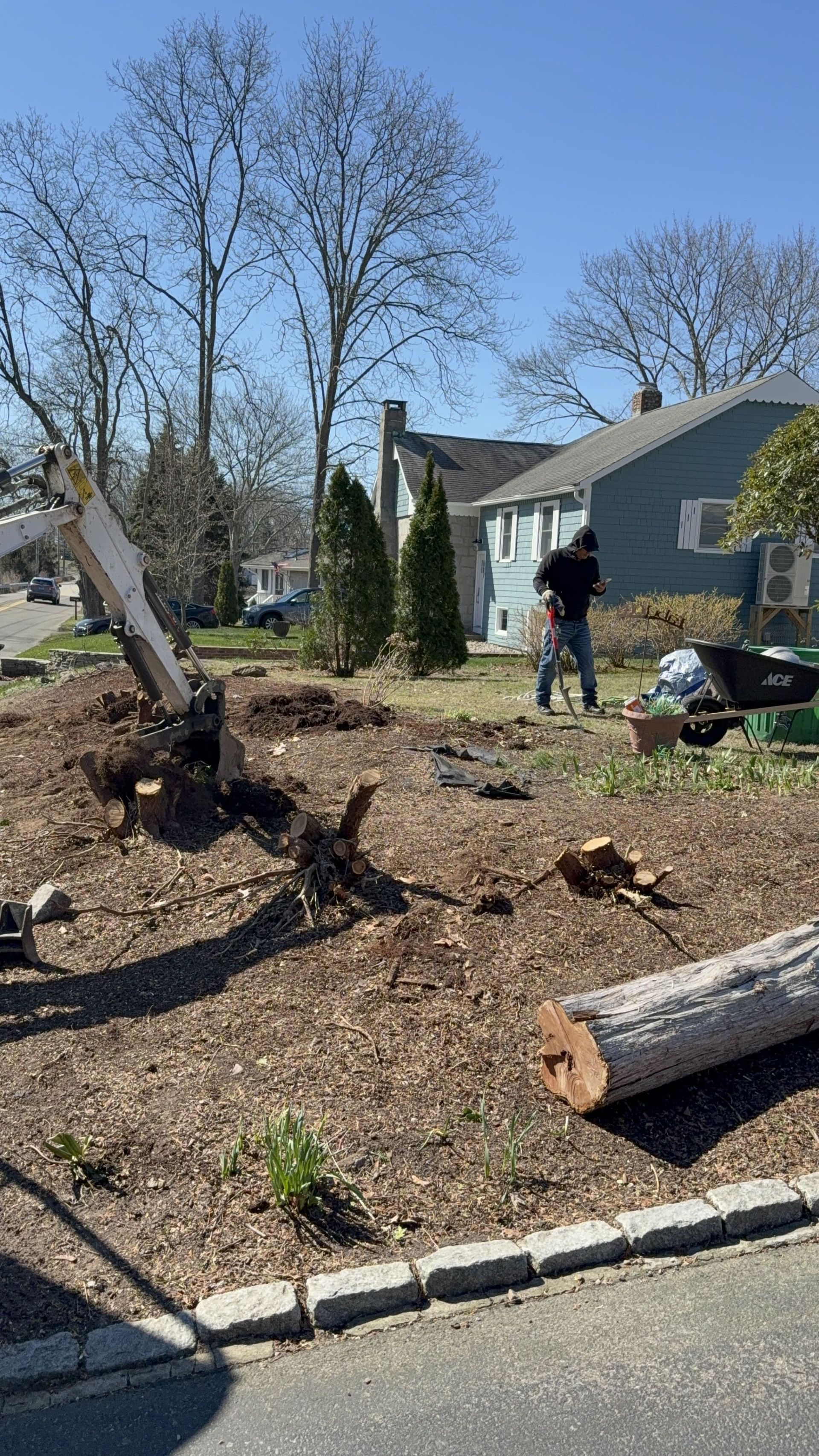
Compare land clearing vs tree removal for overgrown Madison properties, including brush clearing, forestry mulching, lot clearing, and current local costs.
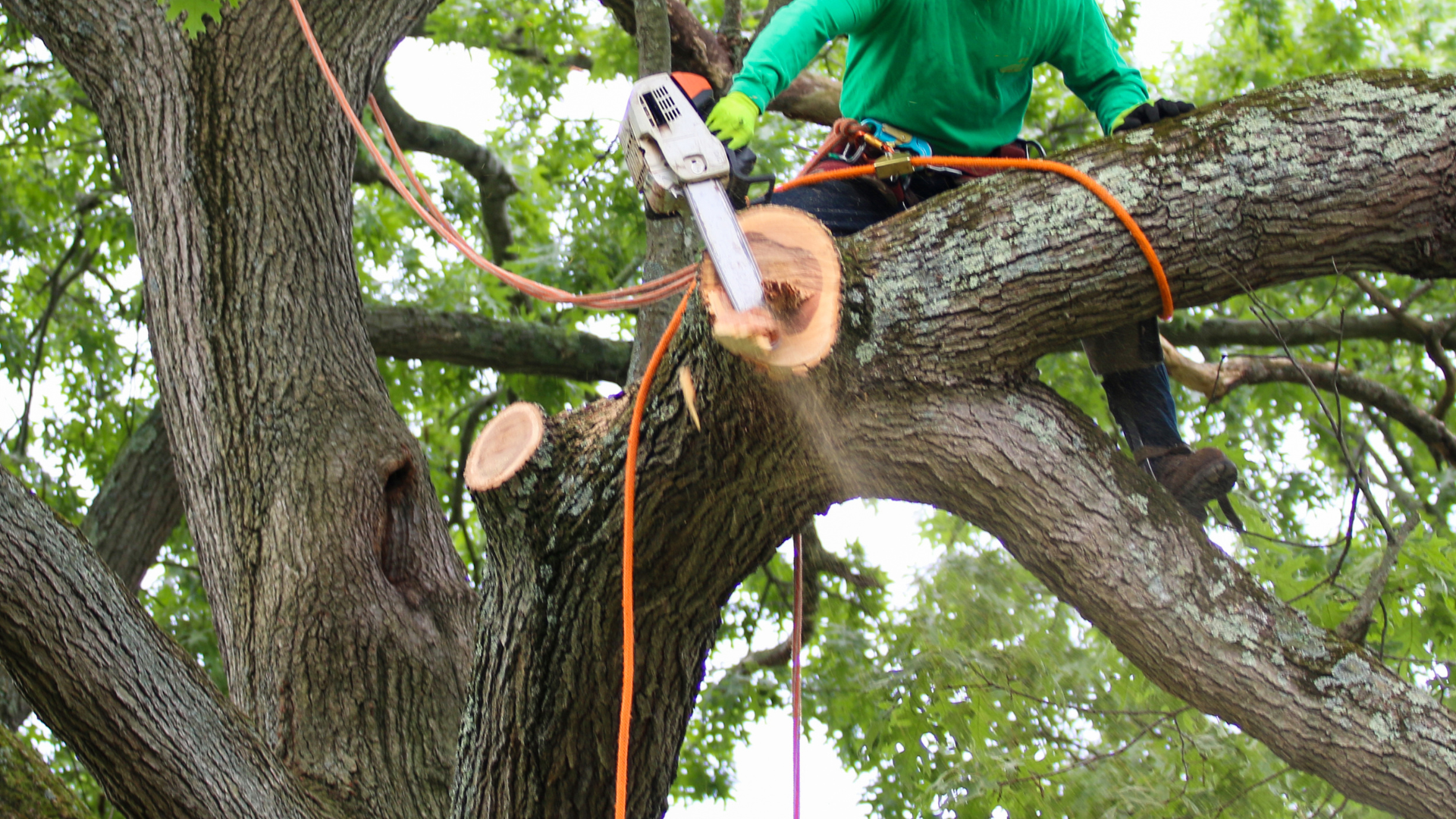
Worker using a chainsaw cuts a large tree branch while secured with ropes.
By Mike James • September 15, 2026
Compare tree removal vs trimming for Madison, CT properties, including pruning, hazardous trees, large removals, risk assessment, and current local costs.
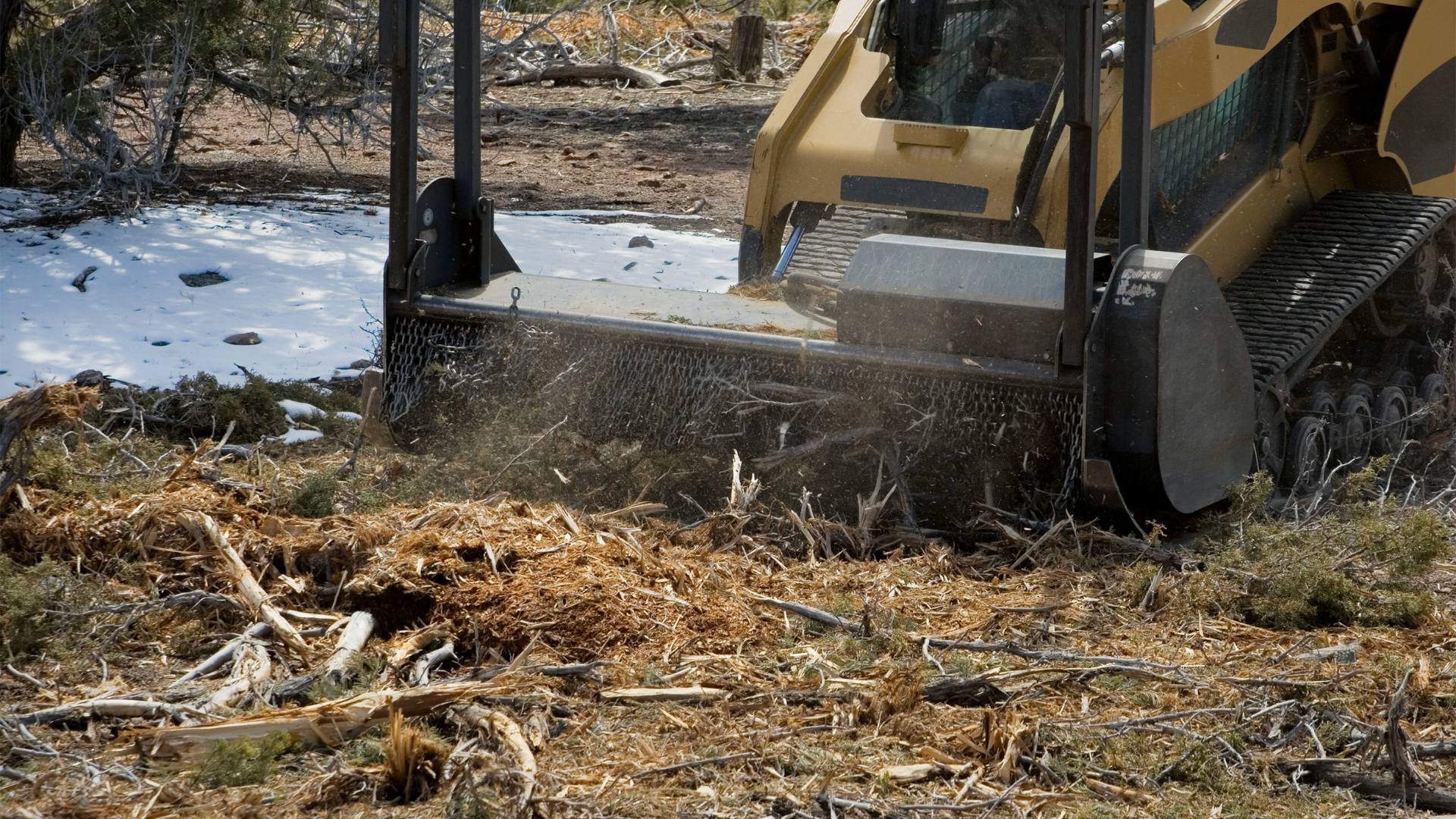
Excavator clearing dry brush in a snowy field near bare trees
By Mike James • September 8, 2026
Learn 9 signs your overgrown Clinton property needs land clearing before fall rain, when forestry mulching fits, and what professional clearing may cost.
Show More