What Dense Brush Can Hide Before Snow and Ice Arrive on a Madison Property
Why This Decision Matters More on CT Shoreline Properties
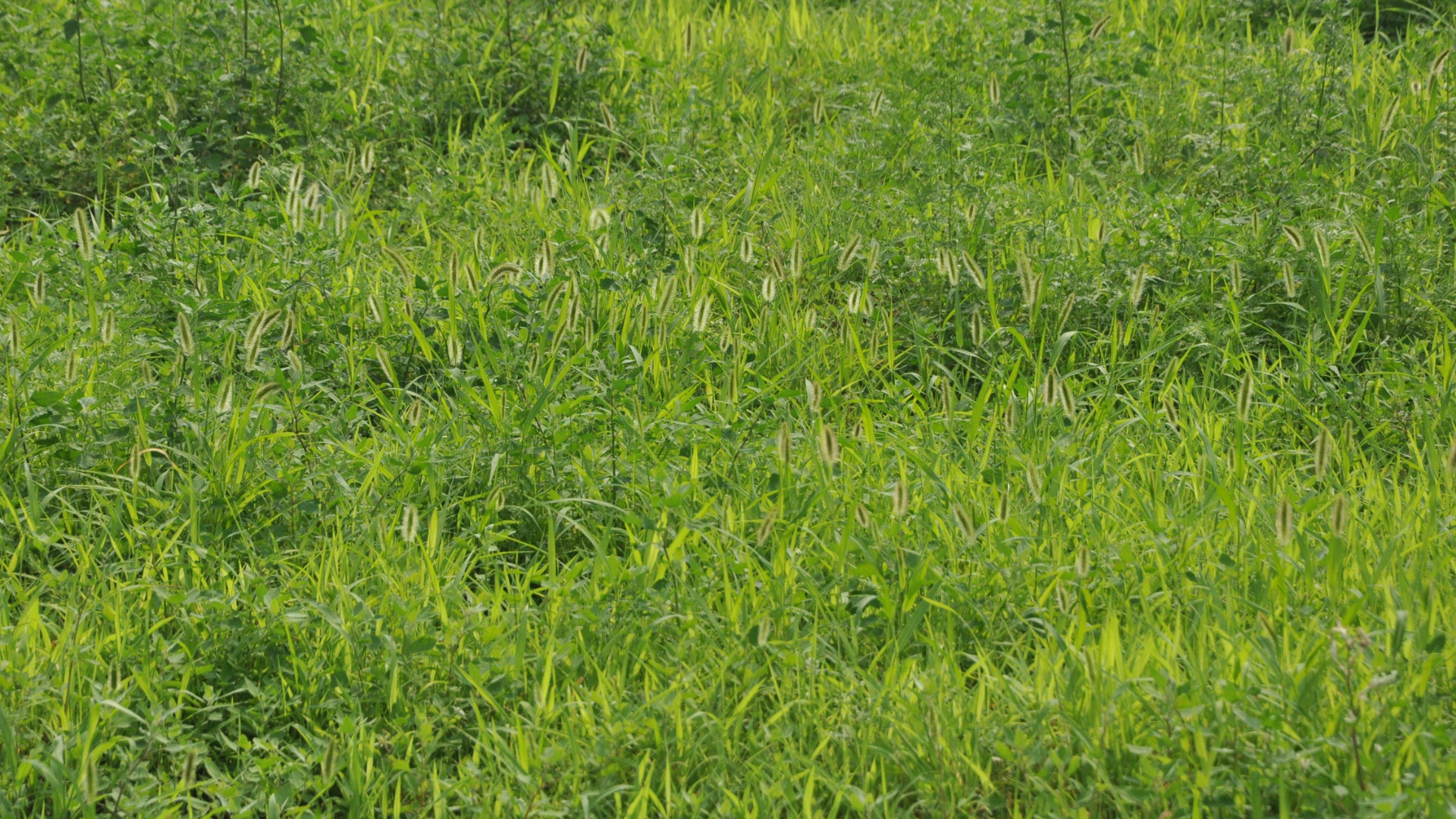
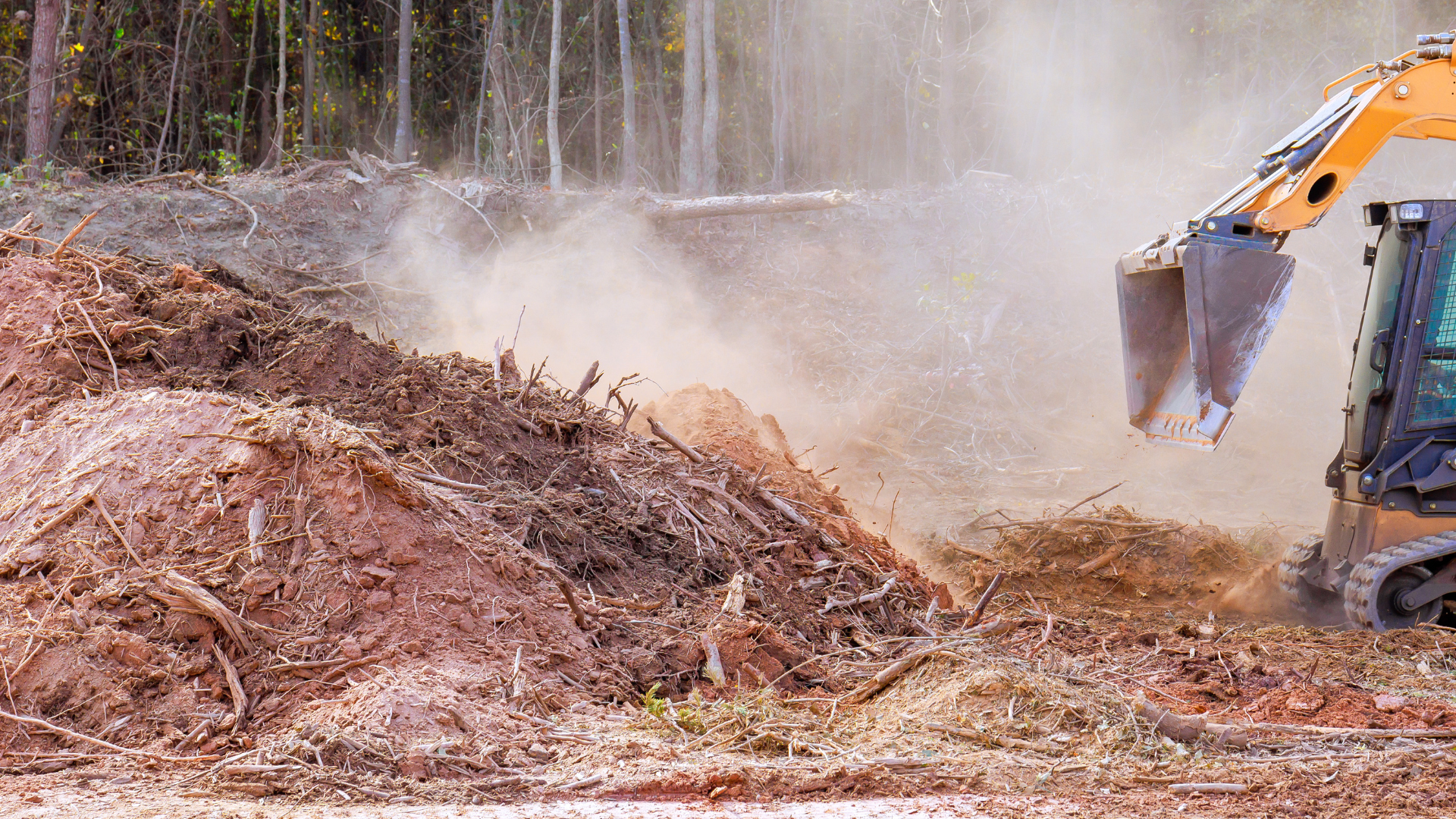
Dense brush can make part of a property look untidy while concealing conditions that deserve attention before winter. Vines, invasive shrubs, saplings, fallen limbs, and tall growth can hide stumps, holes, drainage channels, weak trees, debris, and grade changes. Once snow covers the area and ice forms beneath it, those hazards become harder to see and access becomes more difficult. Professional brush clearing in Madison, CT reveals what is happening on the ground so the owner can decide what needs correction.
The useful goal is not to strip every wooded edge or turn natural acreage into lawn. It is to open the areas that affect walking routes, drainage, structures, utilities, property boundaries, and future maintenance while preserving vegetation that belongs. White Oak Tree & Landscaping provides land clearing and forestry mulching in Madison for properties that need selective access improvement or broader reclamation. The same planning approach helps homeowners in Guilford, Clinton, and Killingworth prepare overgrown areas before winter reduces visibility.
Why Dense Brush Becomes Harder to Evaluate in Winter
Leaf drop improves visibility above the ground, but snow can quickly erase the details that matter underfoot. A shallow depression, cut stump, rock, loose branch, or discarded wire may disappear beneath only a few inches of accumulation. Frozen vegetation can also lean into a route that seemed passable during dry weather. By the time the problem is obvious, the safest season for walking and inspecting the area may already have passed.
Winter moisture changes the condition of the ground as well as the view. Saturated soil, freeze-thaw movement, and ice can make slopes, low areas, and informal paths less stable. OSHA’s winter-weather guidance emphasizes that snow and ice increase slip, trip, and fall risks and that walking surfaces should be cleared promptly. A prewinter property walk allows hidden obstacles to be marked or removed before traction and access become worse.
Seven Problems Dense Brush Can Hide Before Snow
The first inspection should look beyond the visible leaves and vines. Walk only where footing is known, and avoid entering growth that may conceal holes, wire, unstable limbs, or poison ivy. Ground-level photos and boundary maps can help document what needs professional evaluation.
Common hidden conditions include:
- Dead limbs and weakened trees: Brush can hide hanging branches, decay, basal damage, or trees leaning toward a driveway or structure.
- Old stumps and surface roots: Cut stems, root flares, and partially decayed stumps create trip points and can interfere with plowing or equipment movement.
- Holes and uneven grade: Animal burrows, washouts, abandoned post holes, and depressions may remain invisible until someone steps into them.
- Blocked drainage paths: Leaves and woody growth can cover swales, culvert inlets, ditches, and low spots where water collects and later freezes.
- Property-line obstructions: Vines, volunteer trees, and brush can make fences, markers, gates, and maintenance access difficult to locate.
- Discarded materials: Wire, metal, masonry, fencing, and debris can damage equipment or injure someone.
- Invasive vines and shrubs: Bittersweet, multiflora rose, autumn olive, and similar growth can overtake desirable trees and quickly reclaim an opened route.
| Hidden condition | What may reveal it | Useful next step |
|---|---|---|
| Deadwood or weak tree | Hanging limbs, cavities, mushrooms, bark loss | Arrange a tree assessment |
| Stump or surface root | Repeated mower contact, raised soil, old sprouts | Mark it and evaluate grinding |
| Drainage obstruction | Ponding, leaf lines, erosion, wet soil | Trace the route before clearing |
| Unknown property edge | Buried fence, missing markers, conflicting assumptions | Confirm the boundary first |
| Discarded material | Wire ends, metal, masonry, debris piles | Identify and remove safely |
| Invasive growth | Dense vines, thorny canes, rapid resprouting | Plan follow-up management |
Deadwood and Weakened Trees Need Separate Attention
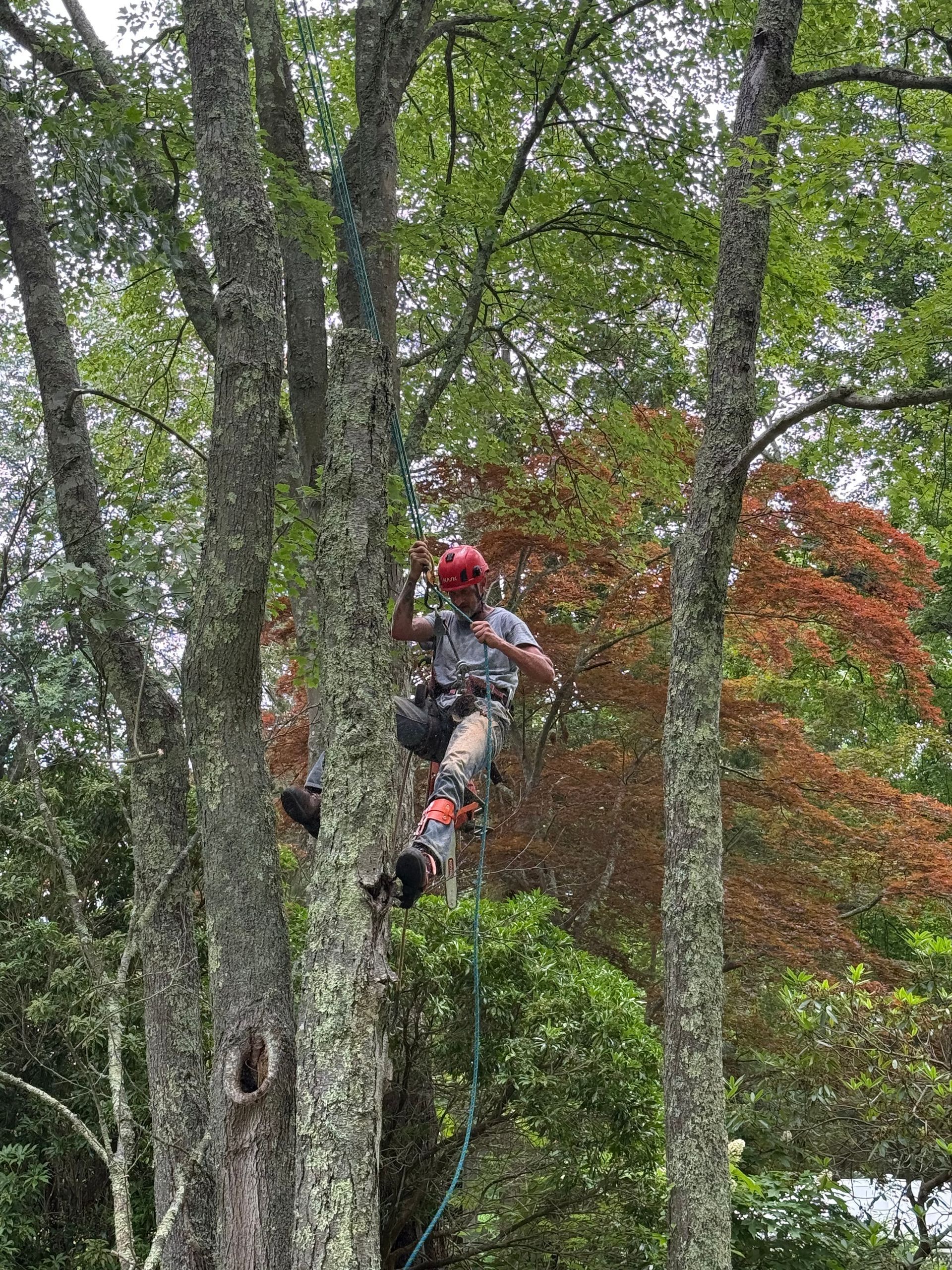
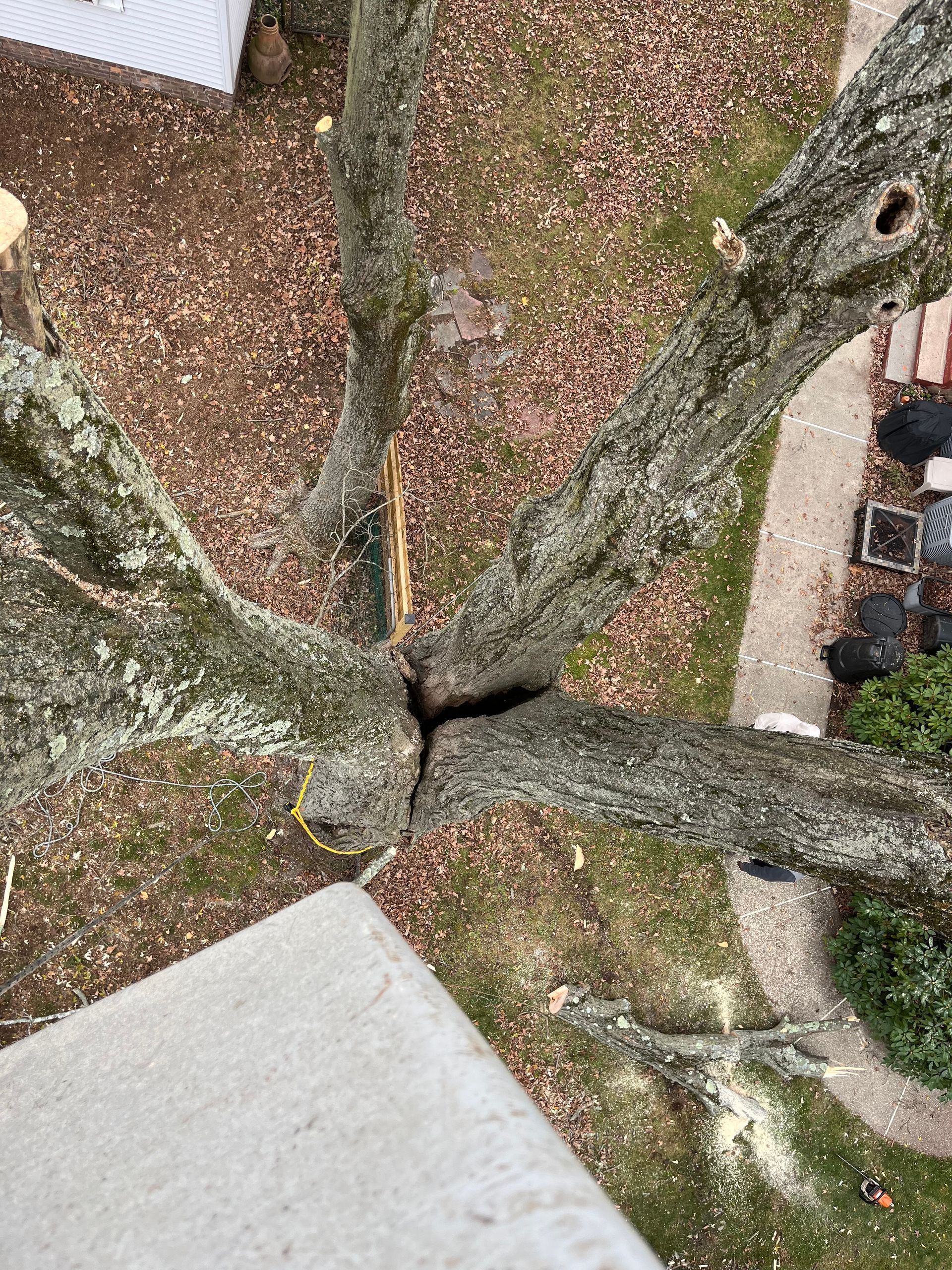
Brush removal can reveal a tree problem, but it does not correct structural weakness in the tree itself. A dead trunk, split union, hanging limb, or root plate movement should be assessed before workers, machines, or family members begin using the reopened area. Vines can add weight to a canopy and make the tree’s condition harder to see from the ground. Clearing should therefore be sequenced around the tree risk, not performed blindly beneath questionable limbs.
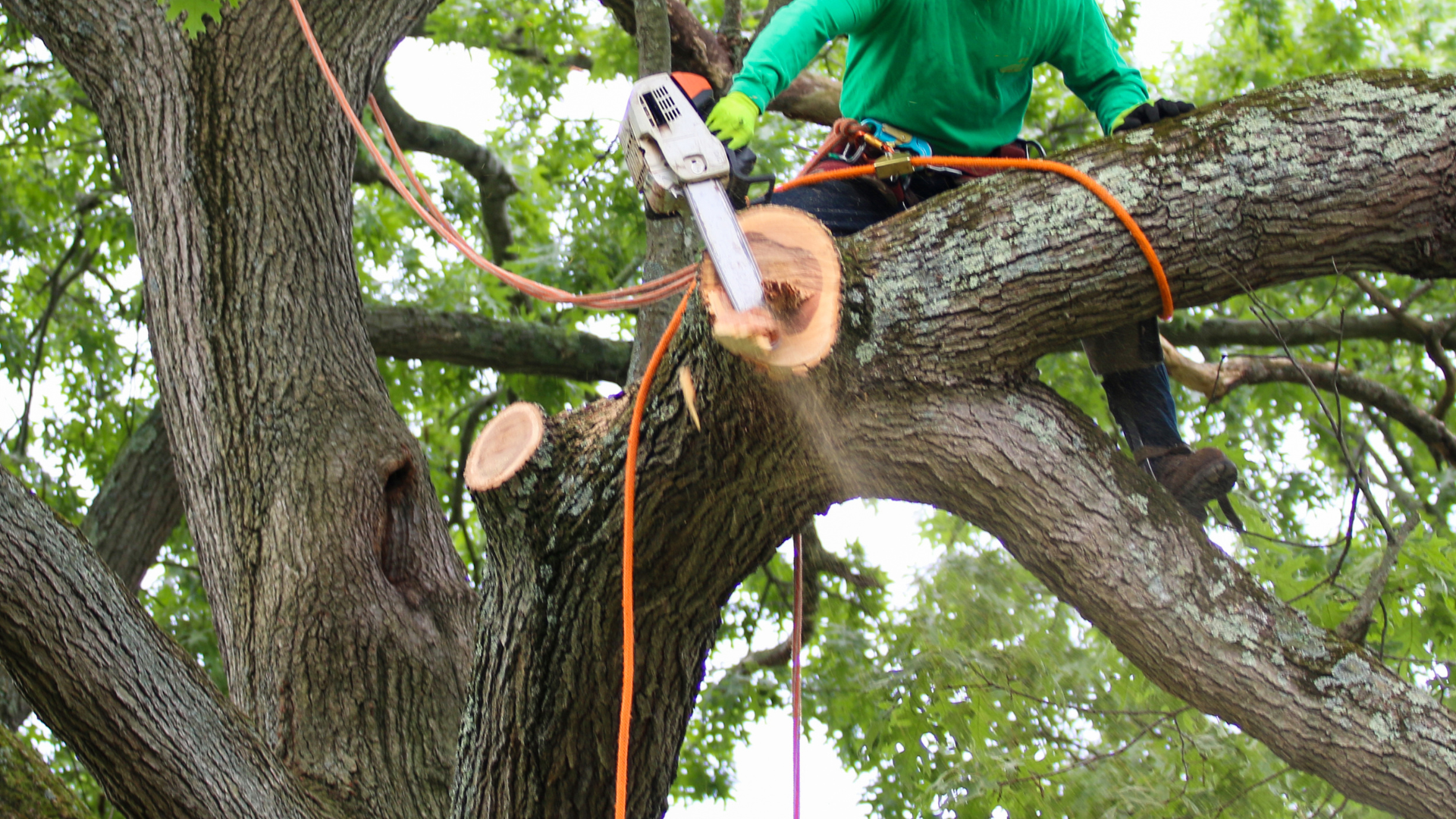
White Oak’s tree removal service in Madison addresses hazardous and technically difficult trees that cannot be preserved safely. Some trees may need only deadwood removal or selective pruning, while others may require removal before surrounding brush work begins. The decision depends on the trunk, roots, canopy, targets, and access, not simply whether the tree looks untidy. A coordinated plan prevents the newly cleared route from placing people directly beneath an unresolved hazard.
Hidden Stumps, Holes, and Uneven Ground Increase Fall Risk
Footing problems become more serious when snow hides their edges and ice reduces traction. A stump that is obvious in October may become a low mound under snow, while a shallow rut can become a hard-sided depression after repeated freezing. These conditions matter along paths, driveways, utility routes, play areas, and any place used for winter maintenance.
Before clearing, identify:
- Known stumps from previous tree work, including those hidden by suckers or vines.
- Root flares and rocks protruding into the intended route.
- Depressions, burrows, washouts, and old post holes.
- Low branches that may hold snow across a walking or equipment path.
- Old fence wire, cable, stakes, or landscape edging near the ground.
- Slopes where leaves hide loose soil or unstable stones.
- Areas that remain soft after rain and may rut under machinery.
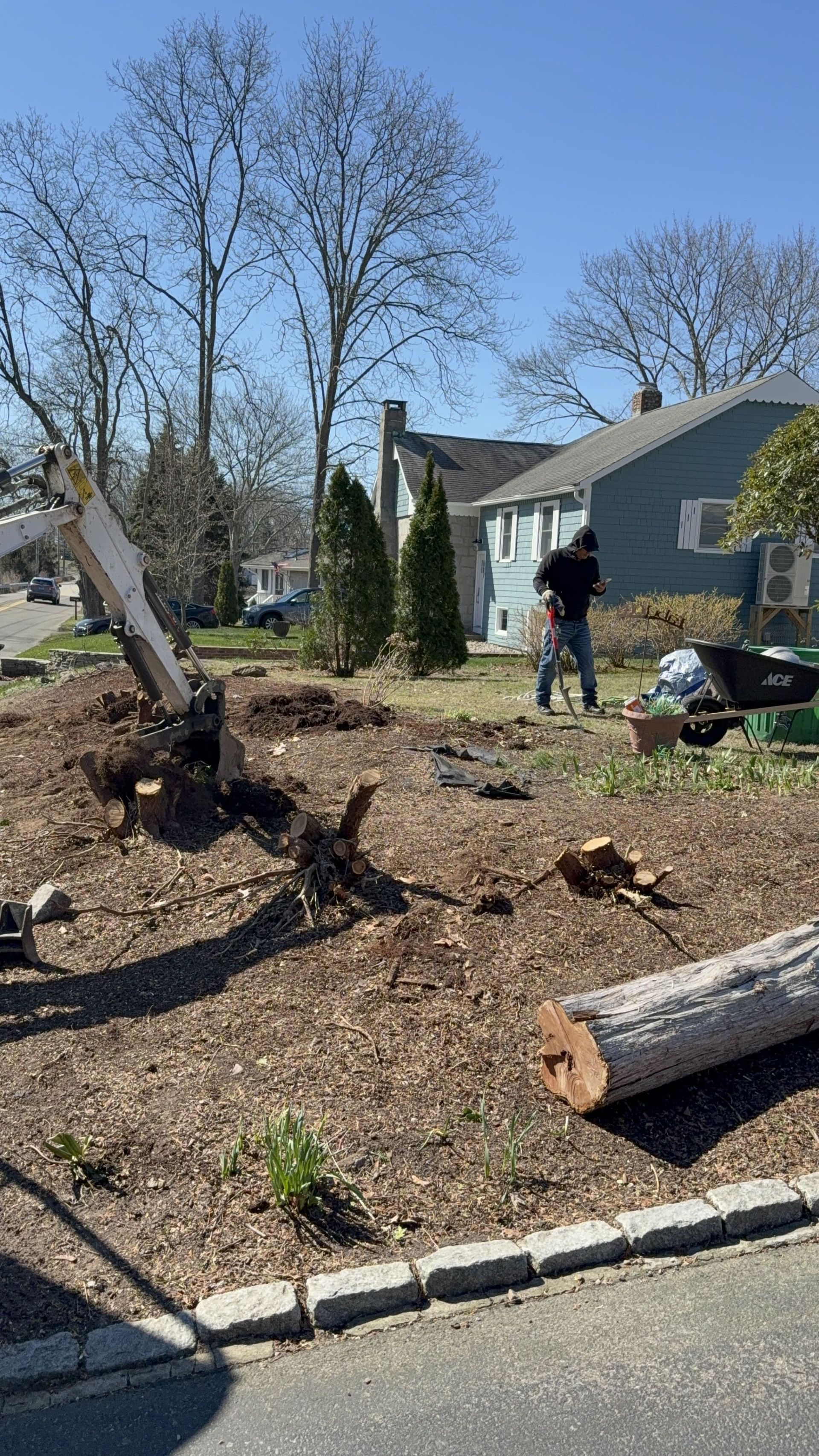
Marking a hazard is a temporary step, not a permanent correction. If a stump sits within a route that must remain level, stump grinding in Madison can lower it below grade and prepare the area for a more usable surface. Holes, erosion, and wet areas require the correct repair rather than a layer of loose fill placed without understanding the cause. The finished route should be evaluated for its intended winter use.
Brush Can Conceal Drainage and Wetland Conditions
Dense growth often follows moisture, so an overgrown strip may be marking a swale, seep, intermittent watercourse, or poorly drained soil rather than an ordinary dry edge. Removing vegetation without recognizing that pattern can expose soil, change runoff, or send equipment into ground that cannot support it. The Connecticut DEEP explains that clearing, grading, filling, and similar work in or near inland wetlands and watercourses may require review by the municipal wetlands agency. Property owners should confirm boundaries and requirements before disturbing a questionable area.
The first step is to observe where water enters, crosses, and leaves the proposed clearing zone. Look for sediment lines, flattened vegetation, standing water, culvert openings, exposed roots, and caught debris. A clearing plan can preserve drainage, open blocked inlets, and avoid creating an eroding channel. The work sequence should protect both the route and the receiving area. Vegetation removal should reveal and support the drainage pattern, not erase it without a plan.
Invasive Vines Can Continue Damaging Desirable Trees
Invasive brush is not solved simply because the top growth disappears. Oriental bittersweet, multiflora rose, autumn olive, Japanese knotweed, and other aggressive plants can resprout from roots, crowns, rhizomes, or seed already present in the soil. Cutting creates access and reduces immediate pressure, but the site may still need monitoring and repeated treatment.
A practical invasive-management plan may include:
- Identifying the species before selecting a cutting or treatment method.
- Separating invasive vines from desirable trunks without damaging tree bark.
- Prioritizing vines that are loading or constricting mature trees.
- Using mechanical clearing to open growth that cannot otherwise be reached.
- Coordinating licensed herbicide treatment when the species and site call for it.
- Scheduling follow-up checks during the next growing season.
- Replanting or stabilizing selected areas so bare ground does not invite new growth.
White Oak coordinates invasive vegetation work through its Madison land-clearing service and broader property maintenance and landscape renovation work. The desired result might be a reopened boundary, a maintainable woodland edge, or access to a drainage feature rather than a completely bare site. Defining that result helps determine how much growth should be removed and what must happen afterward. Follow-up is part of invasive brush removal, not evidence that the first clearing failed.
Choose the Right Clearing Method for the Site
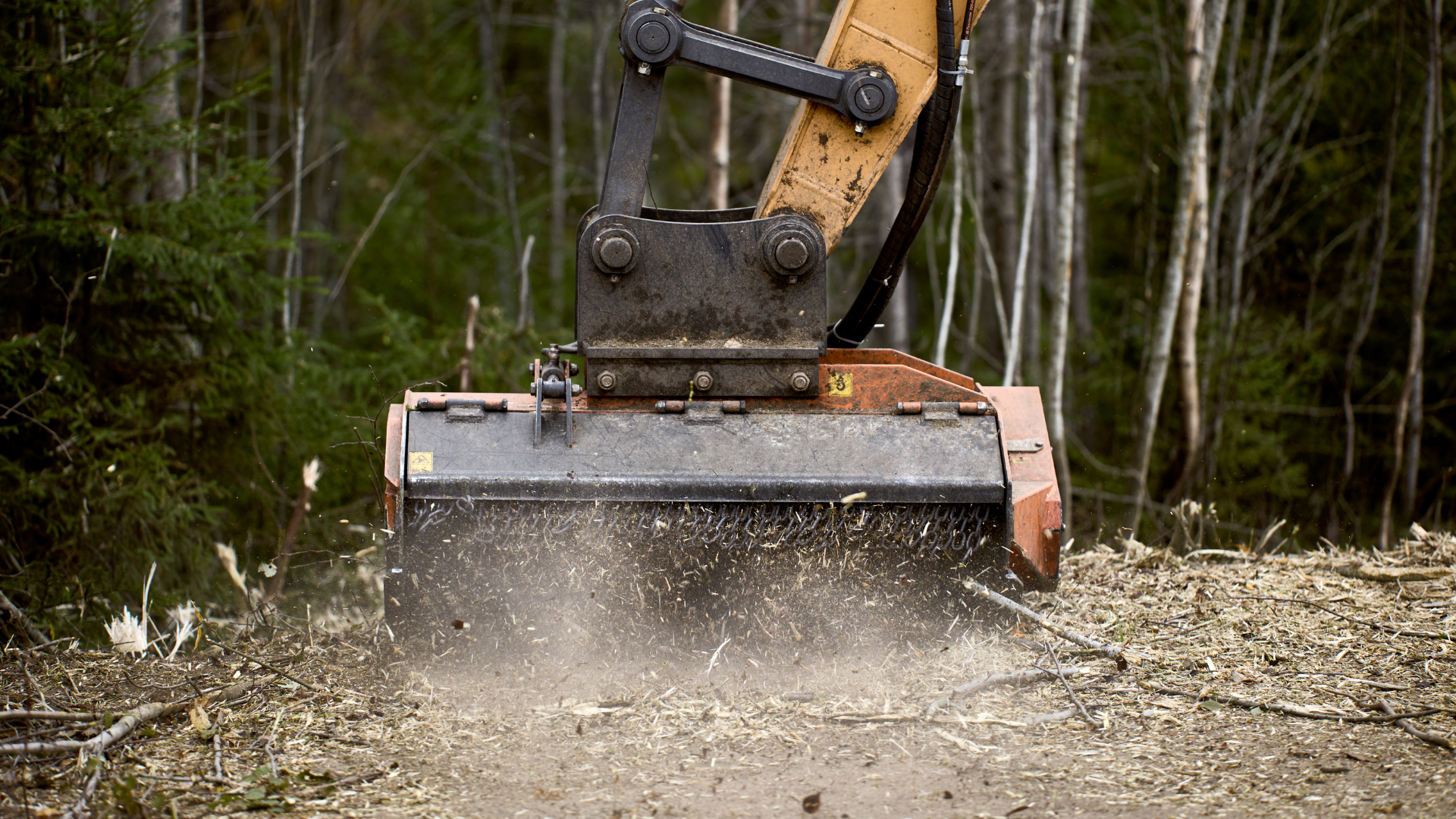
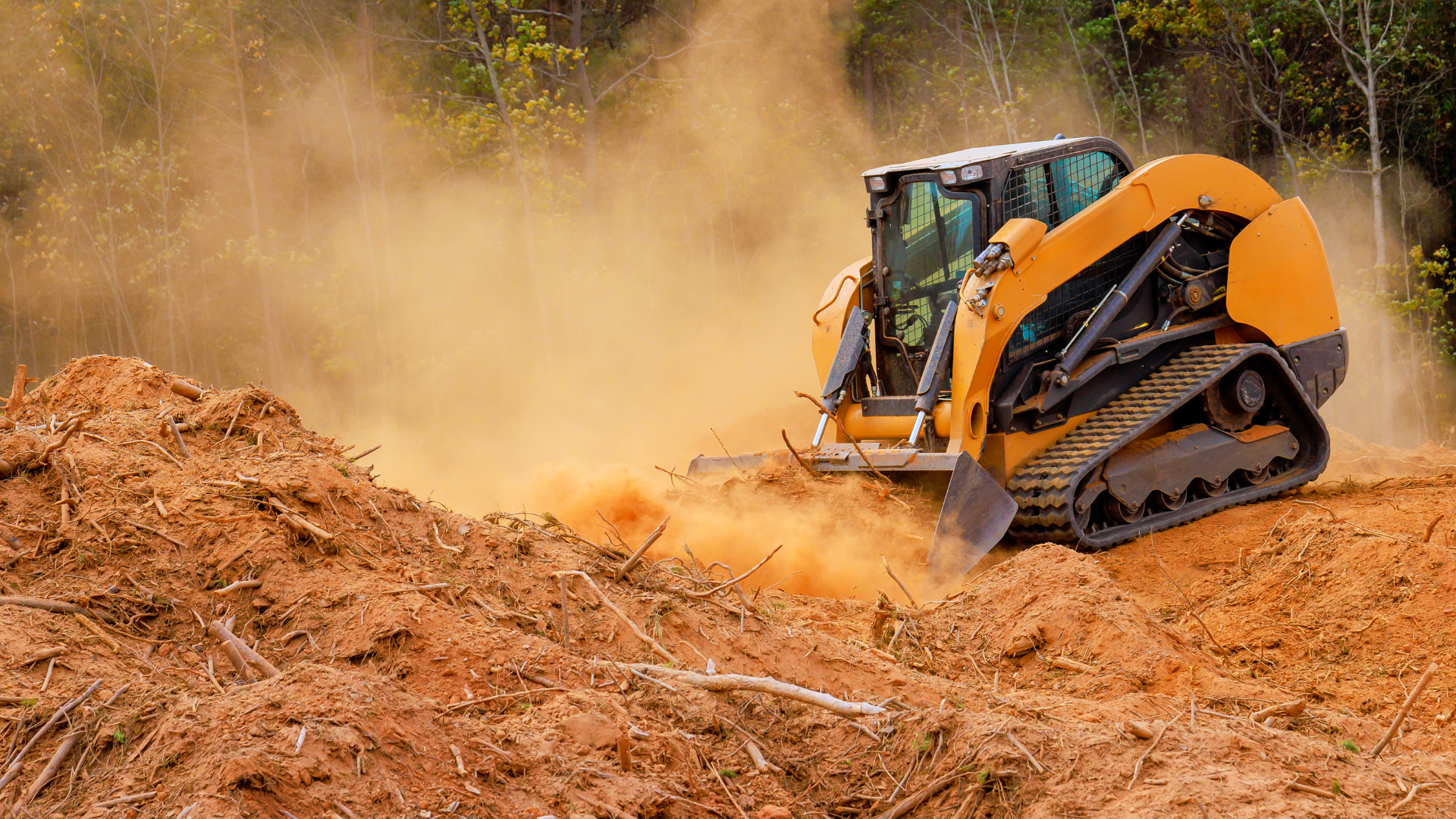
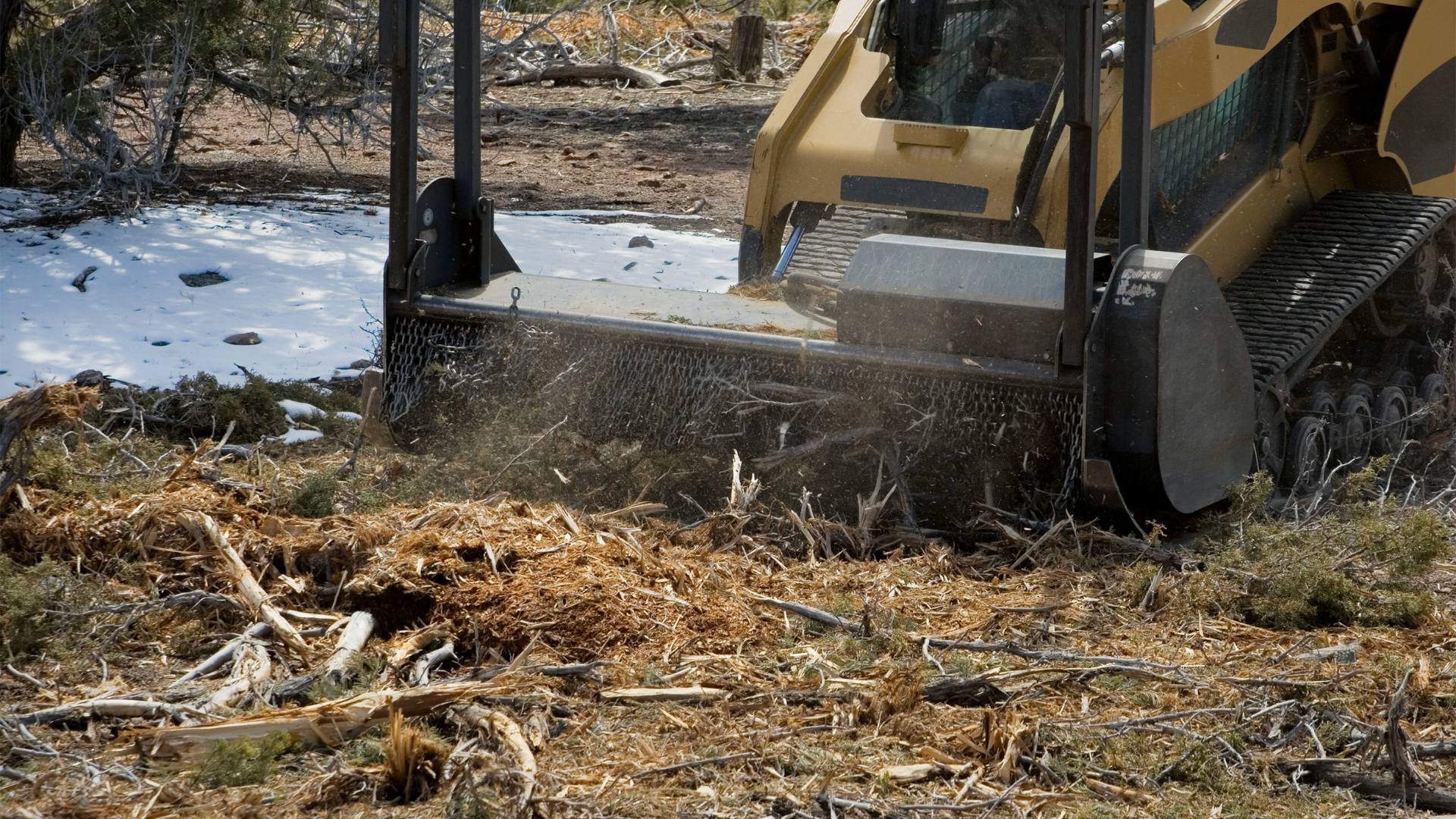
Forestry mulching can process brush, vines, saplings, and small woody material in place, leaving a mulch layer instead of a large debris pile. Selective hand or machine clearing offers more control near fences, specimen trees, utilities, structures, and narrow access points. Conventional clearing may be necessary when larger trees, construction preparation, grading, or debris removal are part of the objective. The safest method is the one matched to vegetation, terrain, access, sensitive areas, and the required finish.
Debris strategy also belongs in the initial scope. Connecticut DEEP encourages the chipping and reuse of clean brush and wood, while its residential burning rules state that open burning is not allowed for land clearing. Mulching, chipping, hauling, log stacking, and stump grinding each leave a different site condition. A written plan should explain what stays, what leaves, and how the ground will be left.
| Site condition | Likely method | Important limitation |
|---|---|---|
| Dense brush across accessible acreage | Forestry mulching | Ground and slope must support equipment |
| Narrow edge near fencing or structures | Selective clearing | Slower but provides more control |
| Large hazardous trees within brush | Tree removal plus clearing | Tree risk should be addressed first |
| Stumps within a future route | Stump grinding | Underground roots remain after grinding |
| Wet or regulated area | Limited work after review | Permits or buffers may control scope |
| Invasive infestation | Mechanical opening plus follow-up | Regrowth management is usually necessary |
Use a Decision Framework Before Clearing
Begin with the reason the area needs attention, then work backward from the required winter condition. A walking path, drainage route, property boundary, equipment lane, and future lawn do not require the same finish. The decision should also account for trees to preserve, underground and overhead utilities, wetlands, slope, and the width available for equipment.
Use this framework:
- Clear promptly when brush hides a frequently used path, utility access point, driveway edge, drainage inlet, or known ground hazard.
- Assess trees first when deadwood, leaning trunks, root movement, or large vines create overhead risk.
- Confirm boundaries first when the work approaches a neighbor, easement, stone wall, fence, or uncertain property line.
- Request wetlands review first when the area contains saturated soil, a watercourse, wetland vegetation, or a regulated buffer.
- Choose forestry mulching when accessible acreage contains dense woody growth and a protective mulch finish suits the next use.
- Choose selective clearing near structures, utilities, desirable trees, gardens, and narrow residential spaces.
- Add stump grinding when the route must be level enough for walking, mowing, or equipment.
- Plan follow-up when invasive species, vigorous roots, or a buried seedbank are likely to produce regrowth.
The same framework applies across Madison, Guilford, Clinton, and Killingworth, but soil, slope, shoreline exposure, and access vary by property. A useful onsite assessment defines the work boundary and the next use before equipment arrives. It should also identify tasks that belong to an arborist, wetlands professional, surveyor, electrician, or drainage contractor. That coordination prevents brush removal from exposing a problem without a responsible next step.
Current White Oak Pricing and Scope Factors
White Oak publishes
Connecticut Shoreline planning ranges on its
Madison land-clearing page. Residential brush removal and property-line clearing typically ranges from
$1,500 to $4,000, while lot clearing for construction typically ranges from
$3,000 to $10,000 or more. Forestry mulching is priced by the acre or half-acre according to density and terrain, and invasive vegetation management is priced around the species, infestation, and expected clearing cycles. Every project begins with a
free onsite assessment and exact written pricing because acreage, access, vegetation, stumps, regulated areas, debris handling, and the desired finish change the scope.
| White Oak service | Published planning range | Main scope factors |
|---|---|---|
| Residential brush or property-line clearing | $1,500 to $4,000 | Density, route length, access, and finish |
| Lot clearing for construction | $3,000 to $10,000 or more | Acreage, trees, stumps, and coordination |
| Forestry mulching | Priced by acre or half-acre | Vegetation density, terrain, and access |
| Invasive vegetation management | Site-specific | Species, infestation, and repeat cycles |
| Onsite assessment and written estimate | Free | Actual conditions and defined work boundary |
Plan Brush Clearing Before Visibility and Access Decline
Dense brush deserves attention when it prevents you from seeing or safely reaching an important part of the property. White Oak Tree & Landscaping evaluates vegetation, trees, stumps, drainage clues, terrain, boundaries, equipment access, and the intended finish before recommending a method. We can combine clearing with tree removal, stump grinding, or landscape renovation when the site requires a coordinated plan. The result should be a safer, maintainable area rather than an unnecessarily stripped property.
If overgrowth is hiding hazards on your Madison property, schedule the assessment before snow and ice make the area harder to inspect. Review our Madison land-clearing and forestry-mulching service or request a free onsite estimate. We serve Madison, Guilford, Clinton, Killingworth, and surrounding Connecticut Shoreline communities. Our team will define the clearing boundary, explain the method, and provide exact written pricing for the actual site.
Related Services & Pages
Land Clearing and Forestry Mulching in Madison
Recent Posts