The Five Factors That Determine Repair vs Removal
When White Oak Tree assesses a storm-damaged tree on a Clinton, Madison, Guilford, Old Saybrook, or Westbrook property, the assessment works through five factors in sequence. No single factor produces the answer in isolation. The combination determines the recommendation.
Factor 1: Crown damage and canopy loss.
A tree that has lost branches during a storm has not necessarily lost its ability to recover. The relevant question is how much of the living canopy remains and whether what remains is distributed in a way that allows the tree to sustain itself through photosynthesis going forward. The
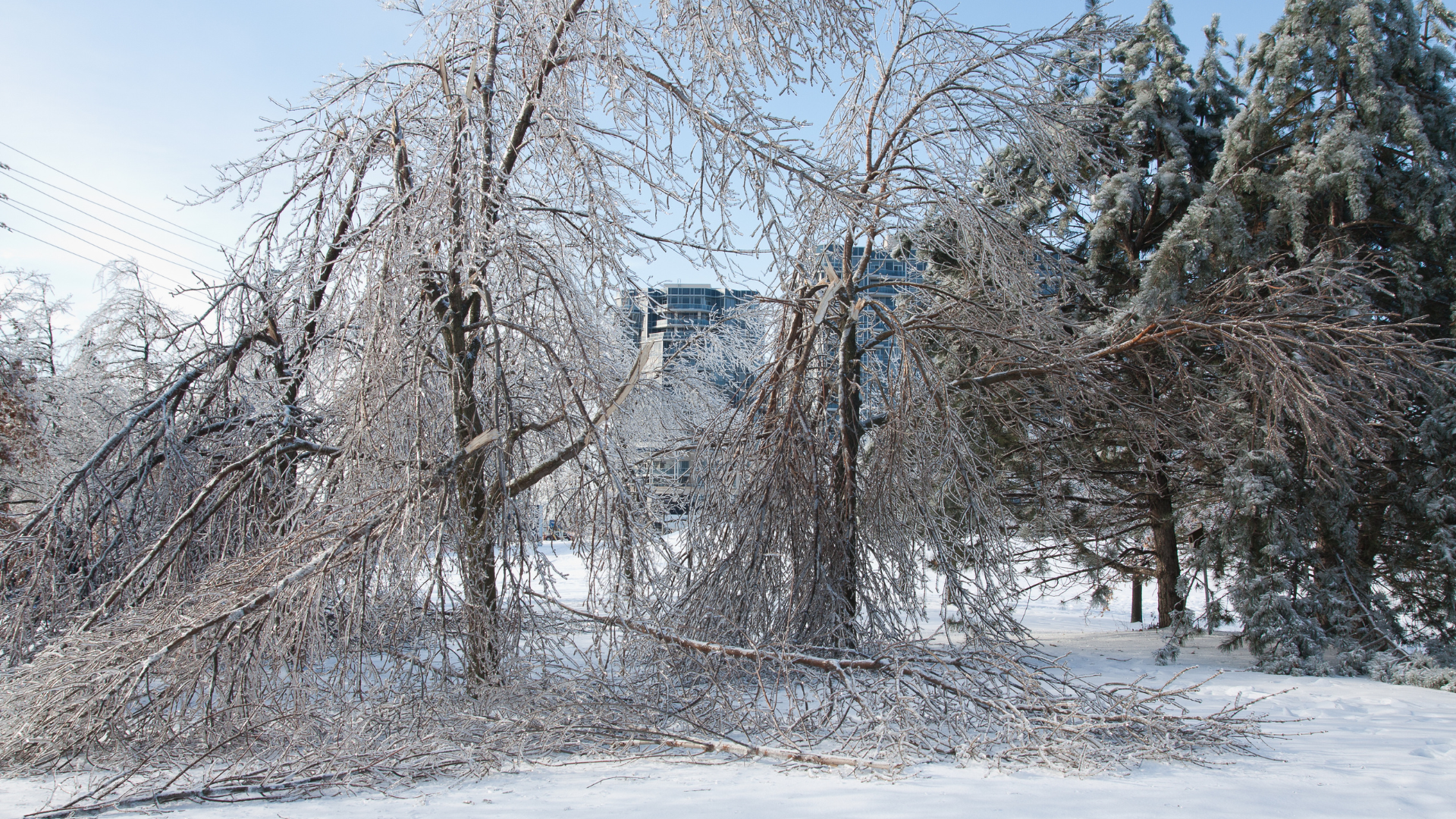
USDA Forest Service recognizes that trees losing more than 50 percent of their canopy in a storm event face significantly reduced odds of long-term survival. Trees with less than 50 percent loss that retain a reasonably distributed remaining canopy are often candidates for structural pruning and recovery. The specific breakpoint depends on the species, the age of the tree, and what the remaining canopy structure looks like after the damage is assessed.
Factor 2: Structural integrity of the trunk and major limbs.
Crown loss from a storm is often repairable through proper pruning. Structural damage to the trunk or major scaffold limbs is a different category. A crack at a co-dominant stem, a split running down the trunk, or a section of the trunk that has been sheared or compressed under wind load represents damage to the structural member that holds the tree together. These conditions do not heal in the way a pruning cut heals. The wood has failed at that point and the failure will progress. Trees with structural trunk or major limb damage in a location that positions the failure point over a structure, a vehicle, or an area where people are present are almost always removal situations regardless of how healthy the remaining canopy appears.
Factor 3: Root plate condition.
The root plate is the foundation of the tree. When saturated soil conditions along the CT Shoreline allow a root plate to shift during a storm, the tree is no longer anchored the way it was before the event. A tree with a new lean, visible soil heaving on one side of the base, or roots pulling out of the ground on the side opposite the lean has experienced a root plate failure that is irreversible in most cases for a mature tree. The root system that kept the tree upright has been disrupted, and the remaining contact is less than what was there before the storm. Root plate failures on mature Shoreline oaks and maples typically warrant removal rather than stabilization.
Factor 4: Position and what the tree is over.
A storm-damaged tree standing in an open area of a large lot with nothing beneath it carries a different risk profile than the same tree positioned over a home, a vehicle, a power line, or a walkway. The consequence of a secondary failure, if the damaged tree fails again in the next storm, determines how much risk can be accepted while the tree recovers. White Oak's assessment explicitly accounts for what is downhill and within fall range of the damaged tree and weights that in the recommendation accordingly.
Factor 5: Species and recovery capacity.
Connecticut Shoreline properties have a mix of native and ornamental species that respond differently to storm damage. Mature white oaks and red oaks can compartmentalize damage effectively and recover from significant crown loss when the structural members remain intact. Silver maples and Bradford pears are structurally weak species that often suffer irreparable splits in storms and rarely recover to a sound condition after major storm damage. Eastern red cedar and native evergreens generally recover better from tip dieback than from major structural damage. White Oak's assessment incorporates species-specific recovery expectation as part of the final recommendation.
When Structural Pruning Is the Right Answer
Structural pruning after storm damage is appropriate when the damage is limited to crown loss, when no structural members of the trunk or major scaffold limbs have been compromised, and when the remaining canopy is sufficient for the tree to sustain itself through recovery.
The goal of post-storm structural pruning is to remove broken and hanging branches cleanly at appropriate branch collars, reduce the mechanical load on the damaged tree during recovery, and improve the structural balance of the remaining canopy so it is less vulnerable in the next storm event.
On Clinton and Madison Shoreline properties where mature oaks have lost significant lateral branches during a nor'easter but retain an intact trunk and root system, structural pruning is frequently the right call. The tree lost branches. The structural foundation of the tree remains sound. Proper pruning cleans up the damage, reduces the risk of bark tearing and decay at the break points, and gives the tree the best opportunity to compartmentalize and recover.
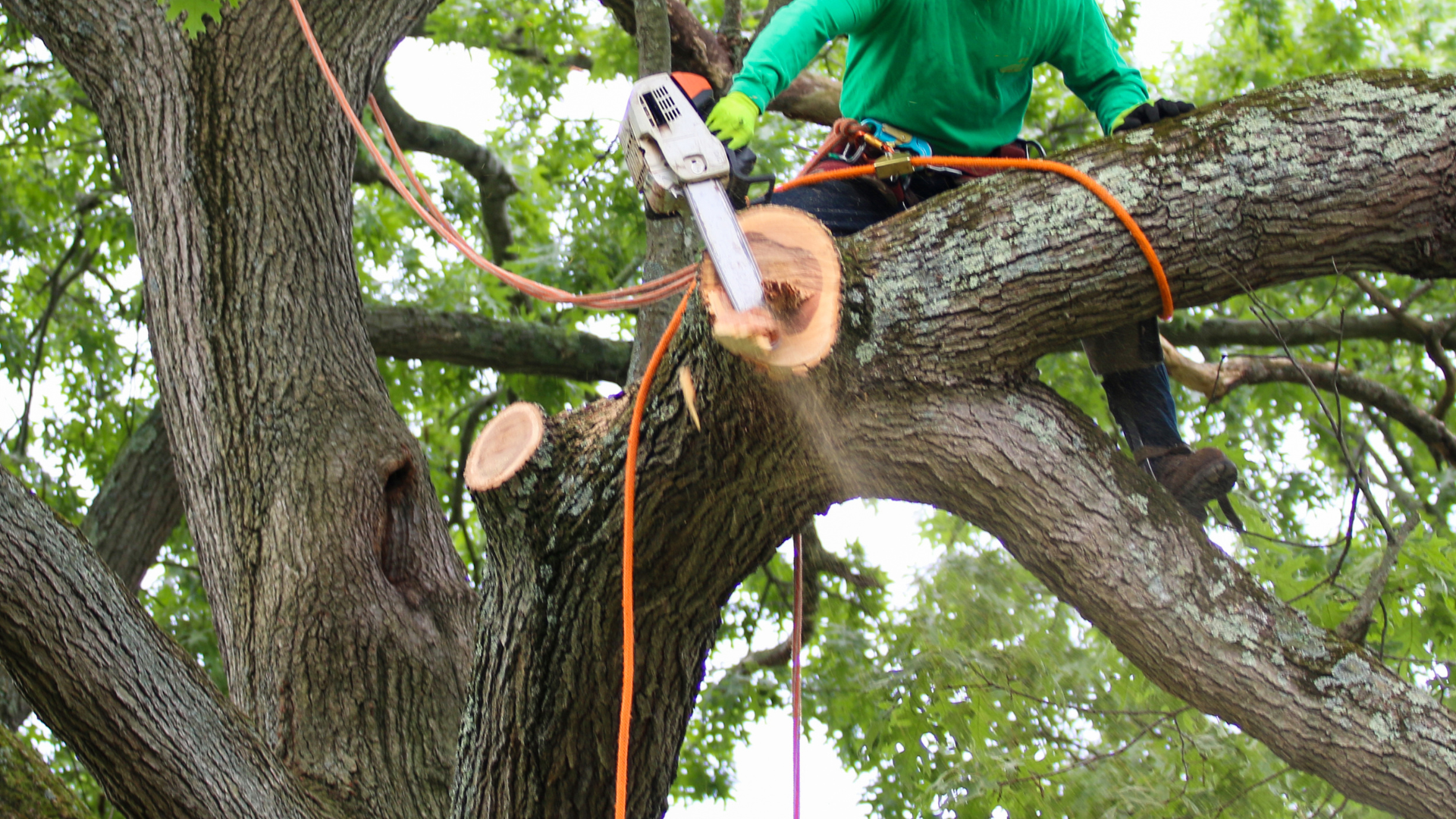
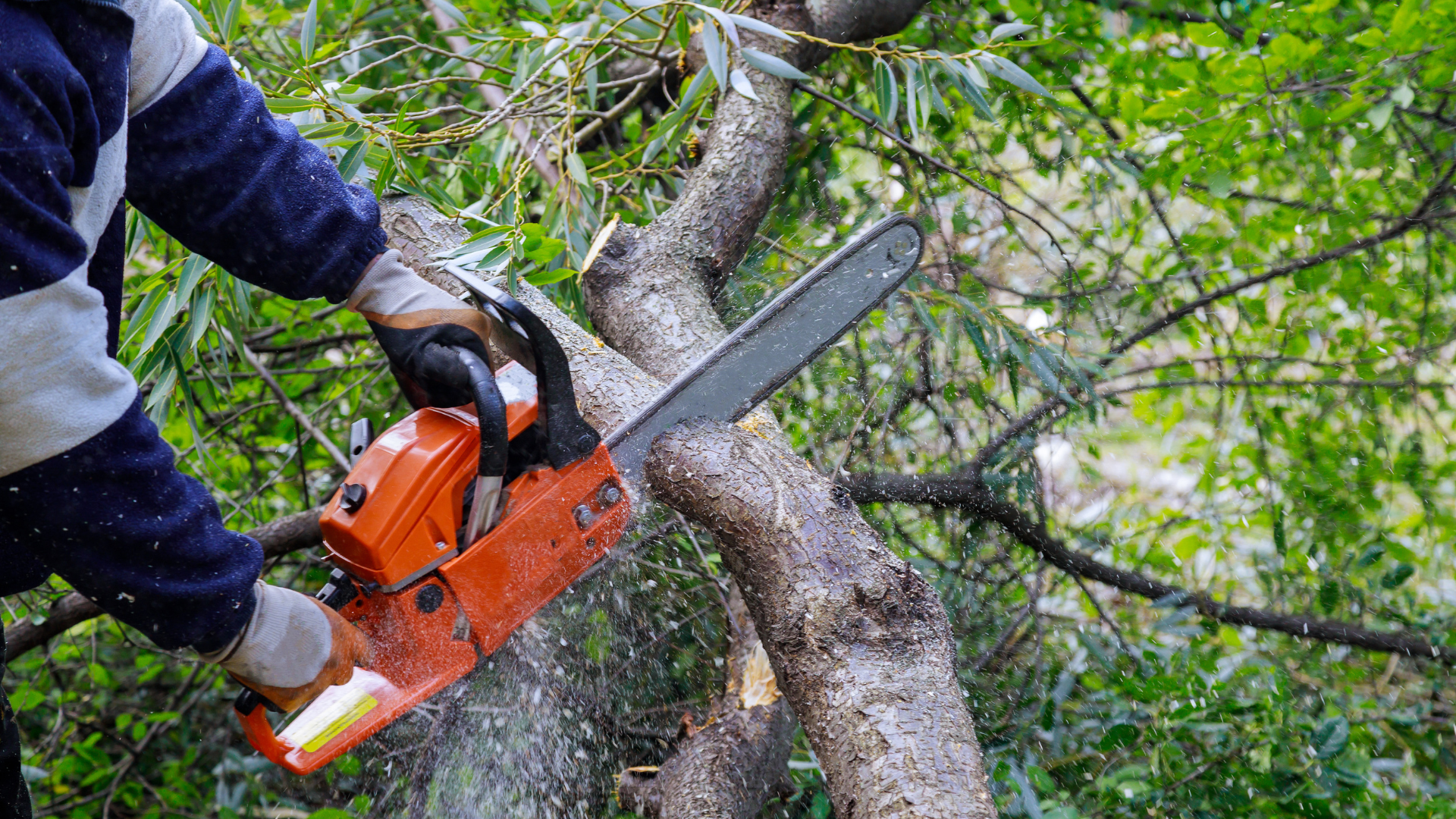
White Oak Tree works from inside the canopy as climbing specialists. That matters for post-storm pruning because the condition of the upper canopy, the break points, the distribution of what remains, and the structural condition of the major scaffold limbs are all assessed and addressed from inside the tree rather than from the ground. Pruning cuts made at incorrect locations after storm damage can accelerate decay rather than promoting recovery. The precision that comes from a climber working within the canopy produces better outcomes than work done entirely from below.
For a related look at how White Oak approaches canopy work on CT Shoreline properties, the
tree trimming and pruning service page explains the structural pruning approach the crew uses on both maintenance and storm recovery work.
When Emergency Removal Is the Right Answer
Emergency tree removal is warranted when the storm damage has created a condition where the tree poses an immediate or imminent hazard that cannot be safely managed through pruning, and when leaving the tree standing for any additional time represents unacceptable risk to structures, people, or the surrounding property.
The conditions that move a damaged tree into the emergency removal category on CT Shoreline properties include:
A trunk crack or split at or near the base that has opened under storm loading. This is a structural failure of the primary support member. The crack will continue to open under any additional loading, including wind, moisture expansion, and the weight of the remaining canopy. There is no pruning response that addresses a trunk base failure.
A root plate that has visibly shifted, with soil heaving on one side and roots pulling free on the other. A mature tree that has started to tip has lost the mechanical anchor that kept it upright. The remaining root contact is progressively less stable with each subsequent weather event.
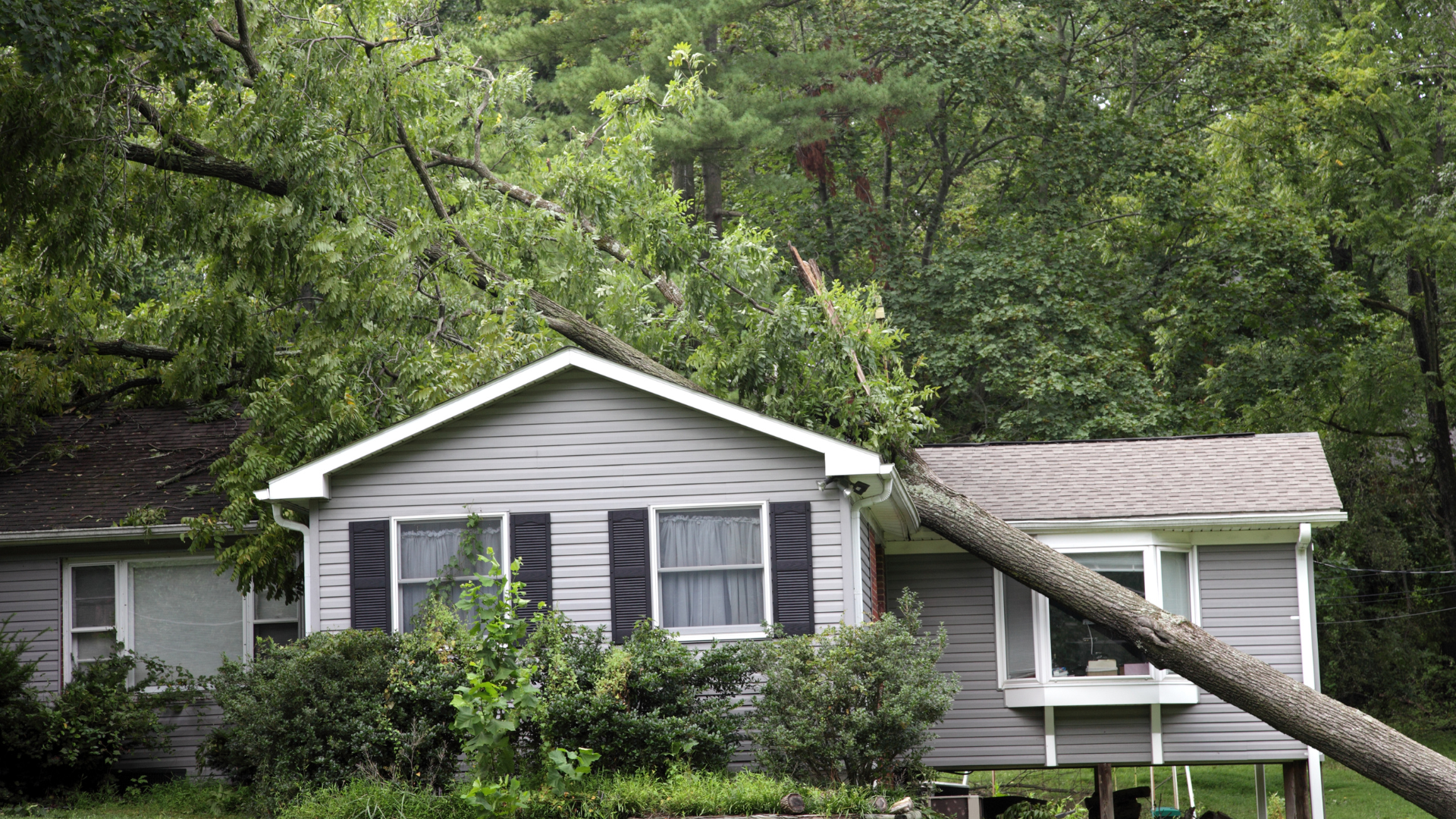
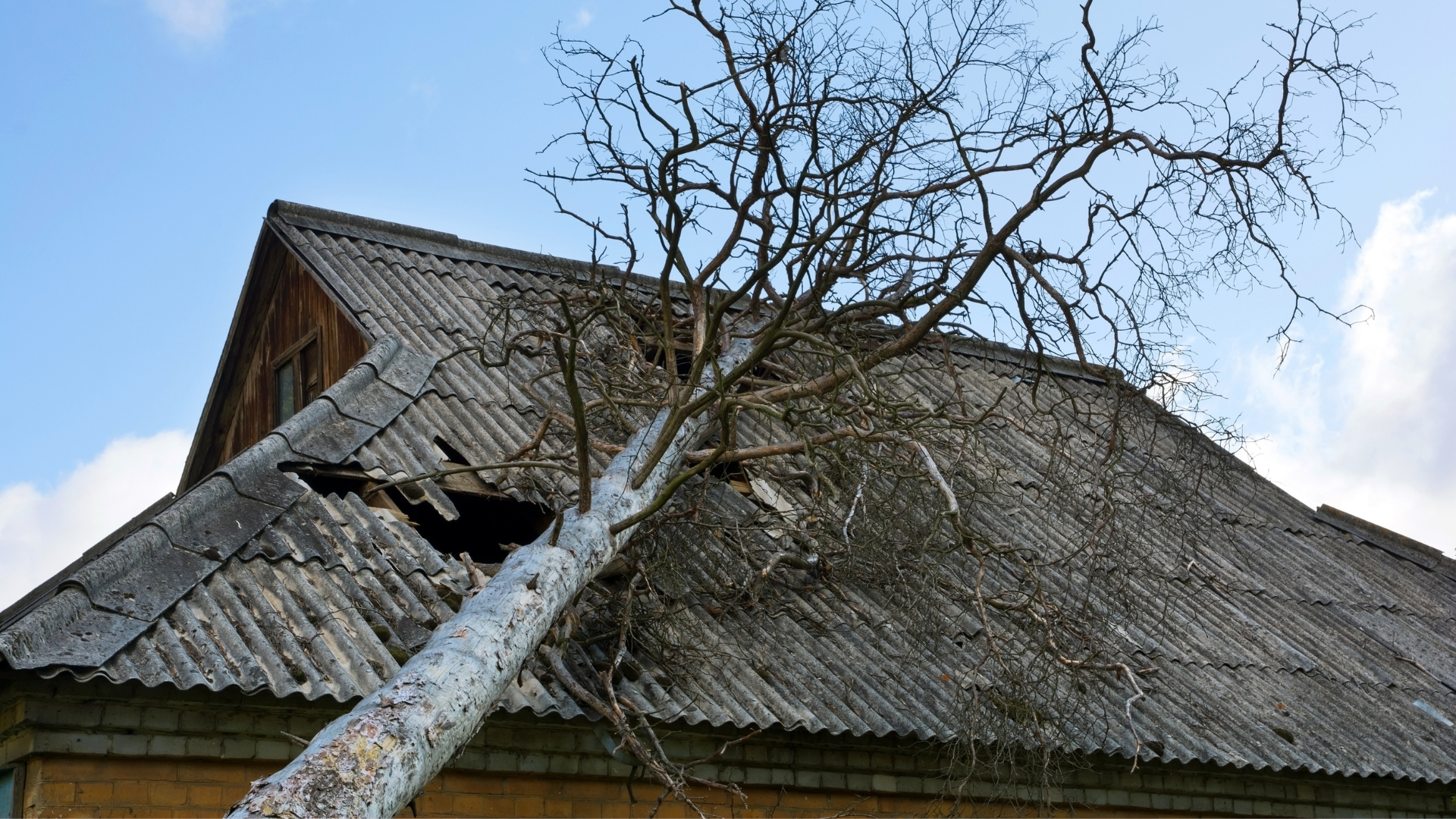
A tree that has partially fallen onto a structure or power line and is suspended. A partially fallen tree is under active tension and stored energy in the wood. The direction in which the remaining tension releases when the tree moves is not predictable without a careful assessment from a trained climber who can evaluate the wood condition and the forces involved. Attempting to address a partially fallen tree without that assessment is one of the most dangerous situations in residential tree work.
The
USDA Forest Service hazard tree guidance identifies cracks at branch unions, root damage, and leaning with soil disturbance as among the most serious post-storm indicators of imminent failure potential. These are the conditions that move a tree from a structural pruning conversation to an emergency removal one.
What the Emergency Response Process Looks Like on a CT Shoreline Property
When White Oak Tree receives an emergency call after a storm in Clinton, Madison, Westbrook, Old Saybrook, or Guilford, the response follows a specific sequence that accounts for the conditions specific to coastal Shoreline properties.
Scene assessment before any cutting begins.
The crew evaluates the full situation on arrival. Where is the tree in contact with a structure or power line? Are there hangers suspended in the canopy? Has the root plate shifted? What is the tension distribution in the remaining wood? That assessment determines the approach, the rigging plan, and the sequence of cuts.
Climbing access where equipment cannot safely reach.
Many Clinton and Shoreline properties have tight residential lots, soft coastal soils, and terrain that limits what equipment can safely access without causing additional landscape damage. White Oak's climbers work from inside the canopy using ropes and rigging on jobs where equipment access is restricted or where precision removal over a structure requires a level of control that ground-based equipment cannot provide.
Controlled section removal.
A tree resting against a structure or partially suspended is not removed by cutting at the base. Each section is rigged and lowered in a controlled sequence that accounts for the weight, the tension in the wood, and what is beneath each piece. This work requires experience and judgment from a crew that has managed emergency removals throughout thirty-plus years on this coastline.
Complete cleanup before the crew leaves.
White Oak clears the site of debris, wood, and limb material before leaving. The property is left in a condition the homeowner can present to an insurance adjuster or a structural contractor on the same day the tree comes down.
For emergency tree situations in Clinton and across the CT Shoreline,
White Oak's emergency tree service page describes the response process and how to reach the crew.