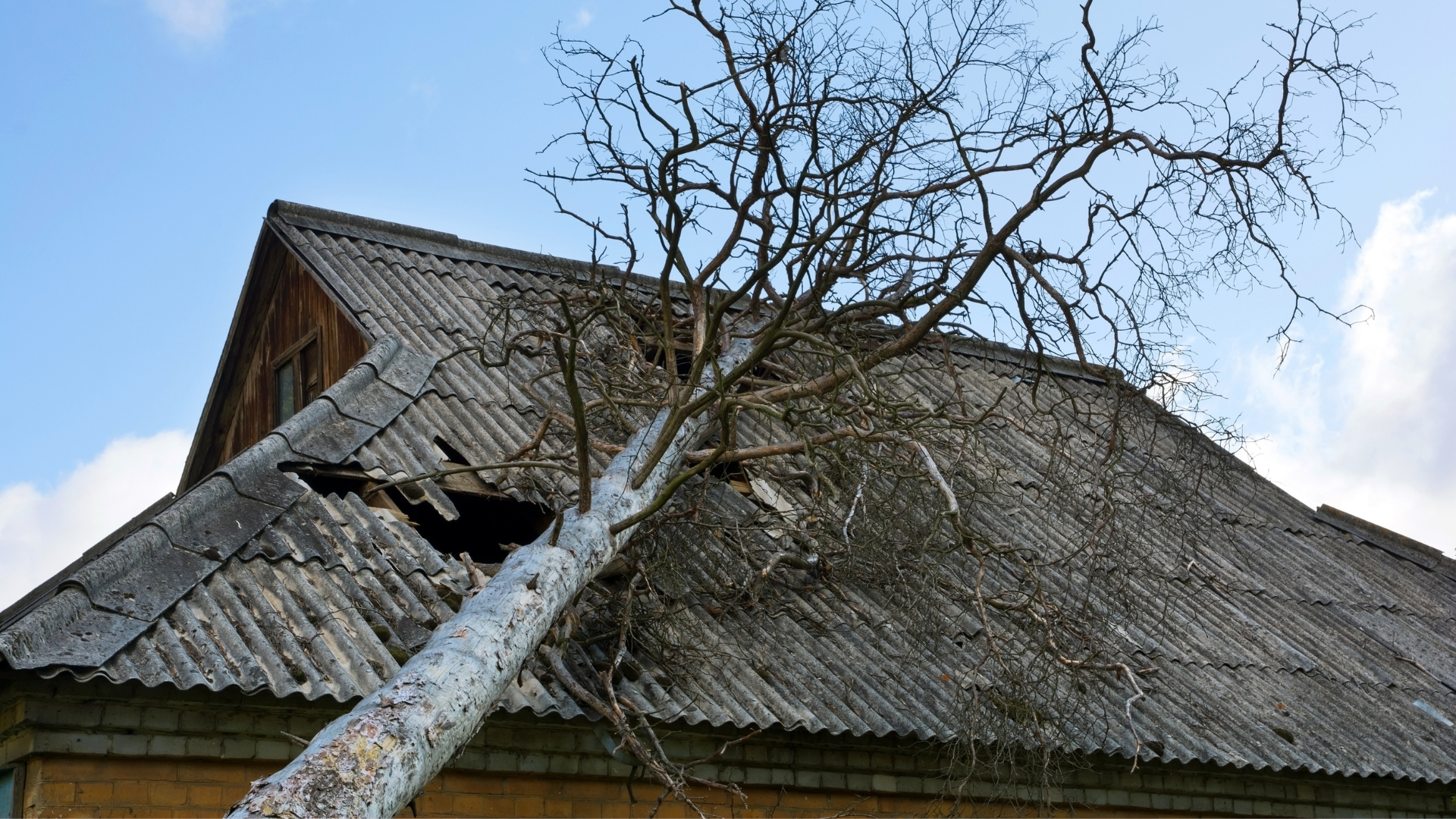
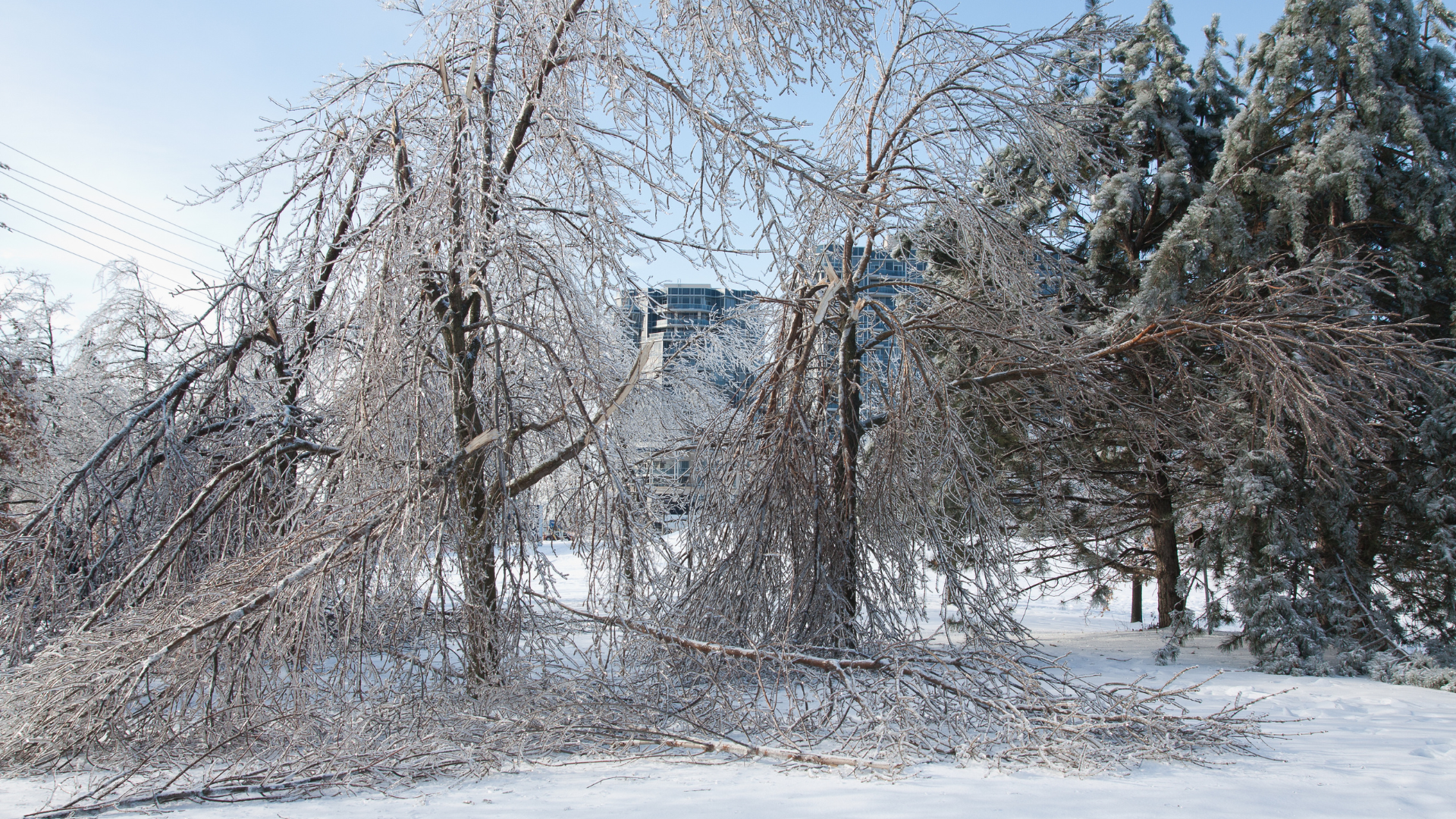
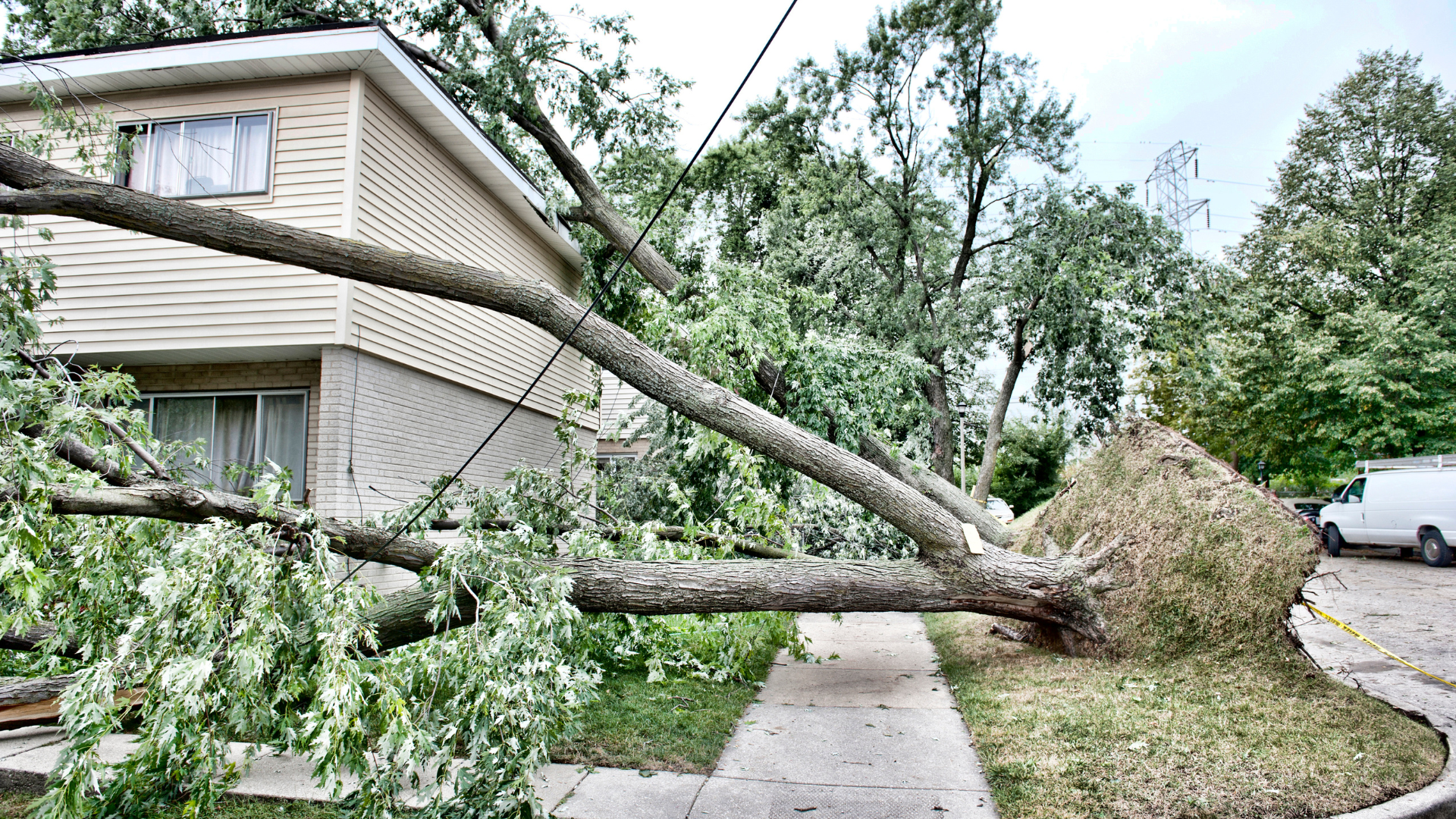
Every storm season on the Connecticut Shoreline, the same pattern plays out. A nor'easter or a summer line storm crosses Clinton, Madison, Westbrook, Guilford, and Old Saybrook, and afterward some properties have branches down, a split trunk, or a tree on the roof, while others came through fine. The difference is rarely luck. More often, it comes down to how the trees on the property were maintained before the wind arrived.
Tree trimming is not cosmetic work on a Shoreline property. Done correctly, it changes how a tree physically responds to wind, and the research on this is clear and measurable. A properly pruned tree moves with the gusts, sheds wind load, and holds its structure. A neglected tree catches the wind like a sail and fails at its weakest point.
White Oak Tree and Landscaping has cared for Connecticut Shoreline trees since 1991 as climbing specialists. These are the six reasons proper tree trimming reduces storm damage risk, and why it is a job worth doing before each storm season rather than after.
1. It Lets Wind Pass Through the Crown Instead of Pushing Against It
A tree's canopy acts like a sail in a storm. The denser it is, the more wind force it catches, and the more that force gets transferred down to the trunk and roots.
Proper crown thinning, the selective removal of branches throughout the canopy, increases the porosity of the crown so wind can move through it rather than pushing against a solid wall of foliage. Peer-reviewed research published in
Arboriculture and Urban Forestry found that removing branches throughout the crown allows wind to pass through, which reduces the force on the main trunk and the tree's movement in wind, rather than forcing the wind to push against and deflect around a dense crown.
What this means on a Shoreline property:
- A thinned crown transfers less wind load to the trunk and roots
- Reduced trunk movement means less stress at the base
- The tree flexes and recovers instead of catching the full force
- Sustained nor'easter winds do less cumulative damage
This is the core reason trimming works: it changes the tree from a sail into a screen.
2. It Removes the Deadwood That Falls First
The branches that come down first in any storm are the ones that were already dead.
Deadwood has no flexibility. Where a living branch bends and absorbs a gust, a dead branch simply snaps. On a mature oak or maple on a Clinton or Madison property, a dead limb high in the canopy is a falling hazard waiting for the next strong wind, and it will come down onto whatever is beneath it: a roof, a vehicle, a walkway, or a power line.
Removing deadwood before storm season eliminates that specific hazard:
- Dead limbs are the most predictable storm failures
- They fall with no warning and no wind flexibility
- Clearing them removes the hazard before it becomes a projectile
- It also lets the tree direct energy to healthy growth
Deadwood removal is the single most direct storm-damage reduction step on most Shoreline trees, because it takes out the parts guaranteed to fail.
3. It Corrects the Weak Branch Unions That Split in Storms
Not every storm failure is a falling branch. Many are splits, where a major limb or a co-dominant stem tears away from the tree under wind load, and those failures trace back to weak branch unions.
A weak union often involves included bark, where bark grows between two stems instead of solid wood forming a strong connection. These unions are the structural weak points that give way in a storm, and they are common in the oaks, maples, and Bradford pears found across Shoreline properties. Structural pruning identifies these unions and addresses them before the wind does, either by reducing the weight on the weaker stem or removing it while the tree is young enough to recover well.
Research in
Arboriculture and Urban Forestry found that structural pruning was among the most effective pruning types for reducing trunk movement in tropical-storm-force winds, more effective than simply thinning the outer edge of the crown. Correcting structure is what prevents the catastrophic split, the failure that does the most property damage.
4. It Lightens the Overextended Limbs That Act as Levers
A long, heavy branch reaching out from the trunk is a lever, and in a storm, wind uses that leverage against the tree.
The farther a limb extends and the more weight it carries at the end, the more force it transfers back to its attachment point when the wind pushes on it. Overextended limbs are among the most common failure points in a storm because the leverage concentrates stress exactly where the branch meets the trunk. Reduction pruning, shortening these limbs and shifting weight back toward the trunk, reduces that leverage.
Research in
Arboriculture and Urban Forestry found that reduction pruning, per unit of mass removed, most effectively reduced the bending moment that wind exerts on a tree, by lowering the center of pressure and increasing crown porosity. In practical terms:
- Shorter limbs exert less leverage on their attachment points
- Weight shifted inward is weight the wind cannot swing
- The tree's center of pressure drops, improving stability
- The specific limbs most likely to fail are addressed directly
5. It Clears Branches Away From the House and Power Lines
Some storm damage is not about the tree failing at all. It is about a healthy branch being close enough to the house that normal storm movement puts it in contact with the structure.
In a storm, every branch moves. A limb that sits a foot above the roofline on a calm day can swing into the shingles, fascia, and siding repeatedly during a nor'easter, and a branch overhanging the roof that does break has a structure directly beneath it. Clearing branches away from the house, the roof, and power lines removes that contact risk entirely, regardless of whether the tree itself is sound.
On Clinton, Westbrook, and Old Saybrook properties, this clearance work matters for specific reasons:
- Branches touching the roof damage shingles and open leak paths
- Limbs over the house turn any failure into structural damage
- Branches near service lines threaten power during every storm
- Clearance is preventive even on completely healthy trees
This is trimming that protects the house directly, not just the tree.
6. It Catches Structural Problems Before the Storm Does
The final reason is the one that ties the others together: a trimming visit is also an inspection, and the trees get looked at by someone who knows what failure looks like before it happens.
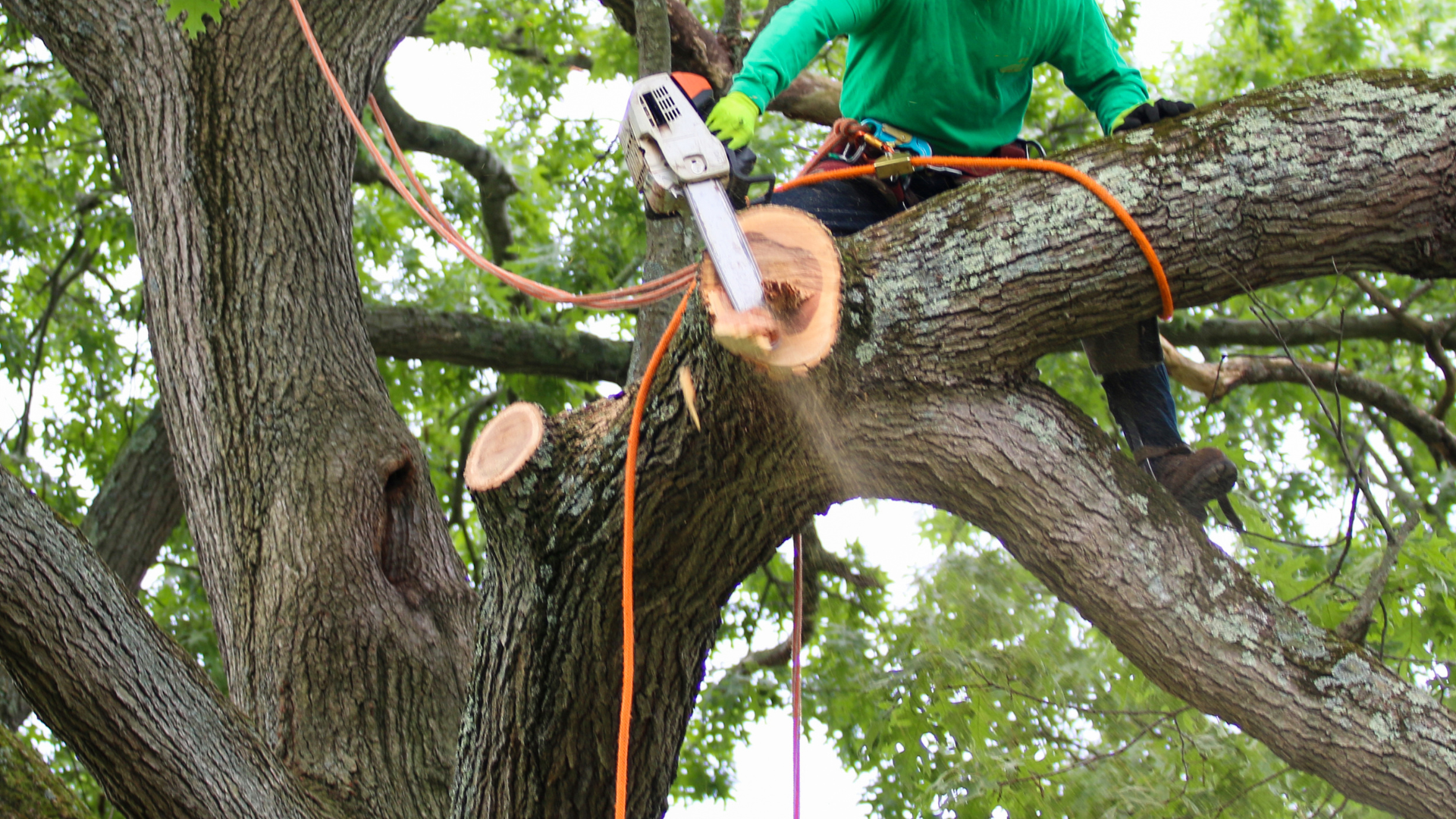
When White Oak's climbers work in a tree, they see what cannot be seen from the ground: cracks developing at unions, early decay, cavities, root flare problems, and structural issues that are not yet obvious. Catching these before storm season means addressing them on a planned schedule rather than as an emergency after a tree has already come down. Regular trimming keeps trees on a maintenance cycle where problems are found early, which is exactly when they are cheapest and safest to fix.
Research consistently shows the value of this ongoing approach. The
USDA Forest Service and ISA research on pruning and wind loading supports maintaining trees on regular structural pruning intervals, because a tree's structure and canopy density change year over year, and a tree trimmed three years ago is a different tree today. The properties that come through storm seasons well are the ones where this happens before the wind arrives, not after.
How the Timing Works Across a Connecticut Year
Storm-damage-reduction trimming is not a one-time job. Because Connecticut trees grow, accumulate deadwood, and change structure every year, the protection comes from staying on a cycle.