
Is a V-Shaped Split in My Tree Trunk Dangerous?

Mike James • November 24, 2026

Why This Decision Matters More on CT Shoreline Properties

A V-shaped fork is not automatically an active split, but a crack opening where two stems meet can be a serious concern. Narrow unions may contain included bark, which can interfere with a strong wood connection. The important distinction is whether you are seeing the tree’s established shape or a developing structural failure. At White Oak Tree & Landscaping, we evaluate the union and the entire tree before recommending a response.


Homeowners in Madison, Guilford, and Clinton may first notice the problem after wind, snow, or a change in the canopy. A dark seam can be difficult to interpret from below. Do not pull the stems apart or climb the tree to investigate. If there is fresh movement, a loud cracking sound, or a widening gap, keep people away and request prompt help.


A Natural Fork Is Different From a Fresh Crack

Two similarly sized stems growing from the same area are often called codominant stems. Some unions develop enough supporting wood, while others have unfavorable structure or decay. A narrow V can conceal bark between the stems instead of a continuous wood connection. Its shape is a reason to assess the union, not a complete diagnosis by itself.


UMass guidance on inspecting storm-damaged trees discusses weak unions and included bark among structural concerns. Fresh exposed wood, a changing gap, or separation extending down the trunk makes the question more urgent. A professional also considers how much crown each stem supports and whether other defects are present. That broader view is more useful than judging every V-shaped tree the same way.


Which Changes Need Prompt Attention?

Look from a safe location for newly exposed pale wood, a crack extending below the fork, or one stem sitting at a different angle. Fallen bark or fresh debris beneath the union may help establish that something changed. Do not stand between stems or beneath a damaged canopy for a closer photograph. If the suspected failure area reaches a house, driveway, or walkway, limit access while arranging help.


A recent storm can reveal an existing weakness rather than create the entire problem at once. Our guide to mature trees and late-fall storms explains why existing condition matters before severe weather. Wet ground or root movement can add another concern even when the visible defect is higher up. Tell us about both the trunk and the surrounding ground instead of focusing only on the fork.

What you see Why it matters Next step
Established narrow fork with no known change Potential structural concern, not proof of failure Arrange assessment rather than DIY alteration
Fresh crack or pale exposed wood Possible recent separation Keep clear and request prompt help
Gap widening or stem moving Potential active instability Exclude people from the area
Root movement as well as trunk damage More than one structural concern Report both conditions immediately

Why DIY Straps and Cutting Are Not a Safe Fix

A rope, chain, or hardware-store strap does not provide a designed support system for a compromised tree. It can also damage bark or create a false sense of security while the defect continues developing. Cutting one stem changes weight and loading and may trigger movement. Homeowners should not attempt that work from a ladder or roof.


The UConn tree-risk guidance emphasizes evaluating trees in relation to potential failure and nearby targets. A qualified assessment may identify management options, but no support method makes a structurally uncertain tree universally safe. We do not assume cabling is appropriate or included in a standard removal or pruning scope. If specialized support-system evaluation is warranted, its suitability and provider qualifications should be discussed explicitly.


Choosing Monitoring, Pruning, or Removal

A stable-looking union without an active crack may be managed differently from a freshly separating trunk. Selective pruning can sometimes reduce specific branch-related concerns when the tree can tolerate it. An actively splitting tree over occupied space may require removal rather than a long monitoring period. The recommendation depends on condition and exposure, not just season or species.


Our tree removal services include planning around surrounding property when removal is justified. Tight access, a compromised stem, or limited equipment access can make the work more involved. We discuss the work zone and what you should keep clear before the crew arrives. Ask for the reasoning behind the scope and whether stump grinding and debris removal are included.

Condition confirmed professionally Potential direction Key qualification
No active separation and manageable risk Monitoring with a defined plan Reassess if the union changes
Specific branch loading concern Selective professional pruning Avoid topping or indiscriminate cutting
Uncertain support-system suitability Specialist evaluation if appropriate Cabling is not an automatic solution
Active failure or unacceptable risk Controlled removal may be warranted Plan for the compromised structure

What Should You Budget?

For initial context, HomeGuide’s national tree-removal guide gives an average range of about $400 to $1,200. A splitting, large, or difficult-access tree may cost more than that reference. This is not a White Oak quote or a price for formal tree-risk assessment. We need to consider condition, surroundings, and the required work method.


A useful estimate separates evaluation, pruning, removal, and optional stump work. Compromised trees may require different access and handling from sound trees of the same size. Cleanup, logs, equipment access, and protection of surrounding features should be clear in writing. Price should follow a safe scope rather than determine whether an active split is ignored.

Work or budget factor Planning context What changes the scope
Tree removal if needed $400 to $1,200 national average reference Complex or unstable trees can exceed it
Structural concern evaluation Quoted according to scope Specialized assessment may be separate
Selective pruning Tree-specific proposal Access and branch condition matter
Stump and debris handling Confirm included items Grinding, logs, and hauling may differ

Have the Split Evaluated Before It Changes Further

White Oak Tree & Landscaping can help assess a concerning fork or split in Madison and nearby communities. We explain what we observe and the work that may be appropriate. Our goal is a practical response to the tree’s condition and surroundings. Contact us with the location and a photograph taken from a safe distance.


Mention any new cracking, movement, or storm damage when you call. Keep vehicles, people, and pets out of the potential failure area. Do not attempt to brace or cut the stems yourself. We can discuss the next step for assessment and any necessary work.


Helpful Services and Related Reading

Share this article

Recent Posts

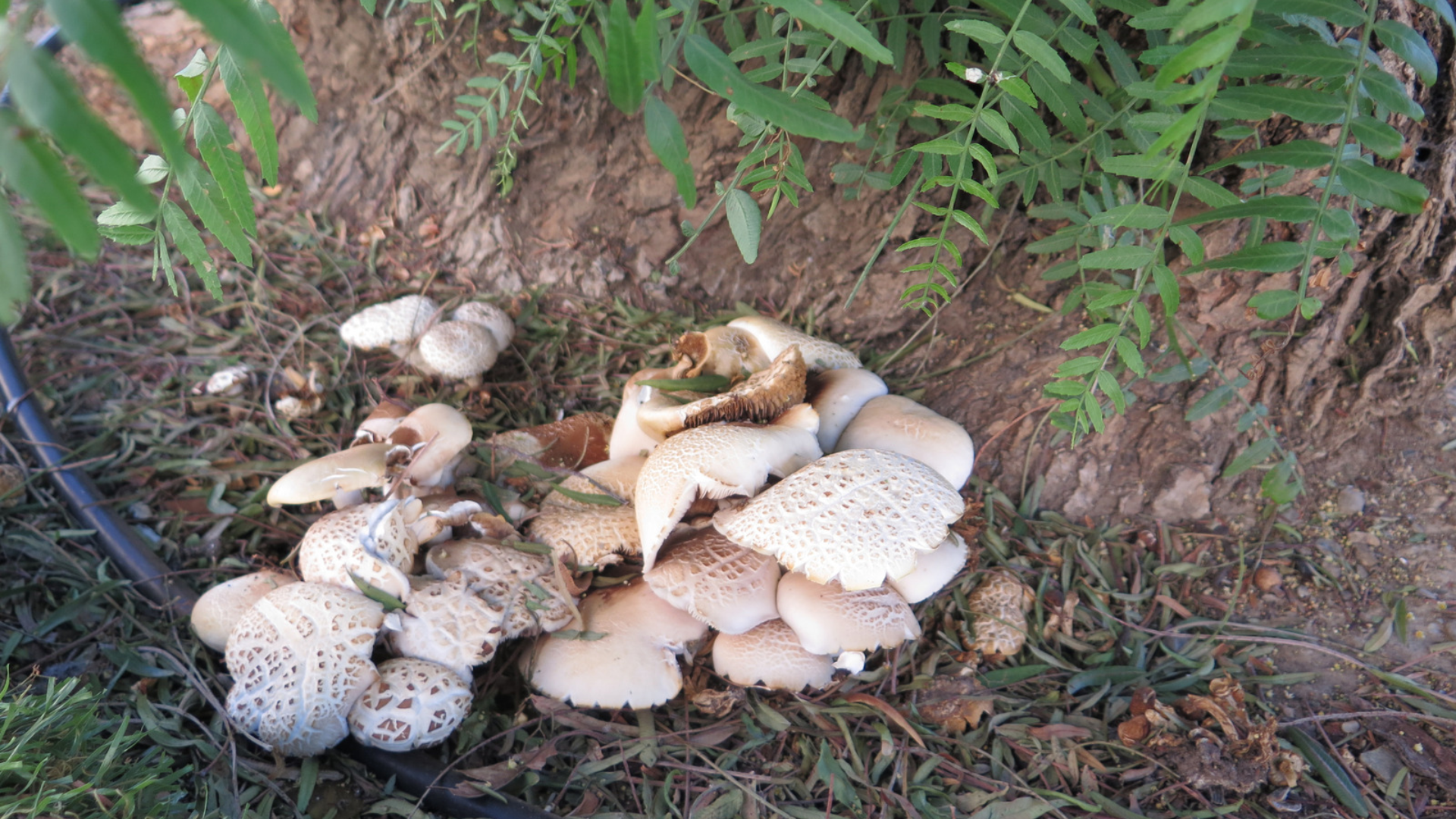
Clusters of pale, speckled mushrooms grow among leaf litter beneath green ferns.
By Mike James • November 24, 2026
Learn when mushrooms at a tree base may signal decay and how White Oak helps homeowners assess the right next step.
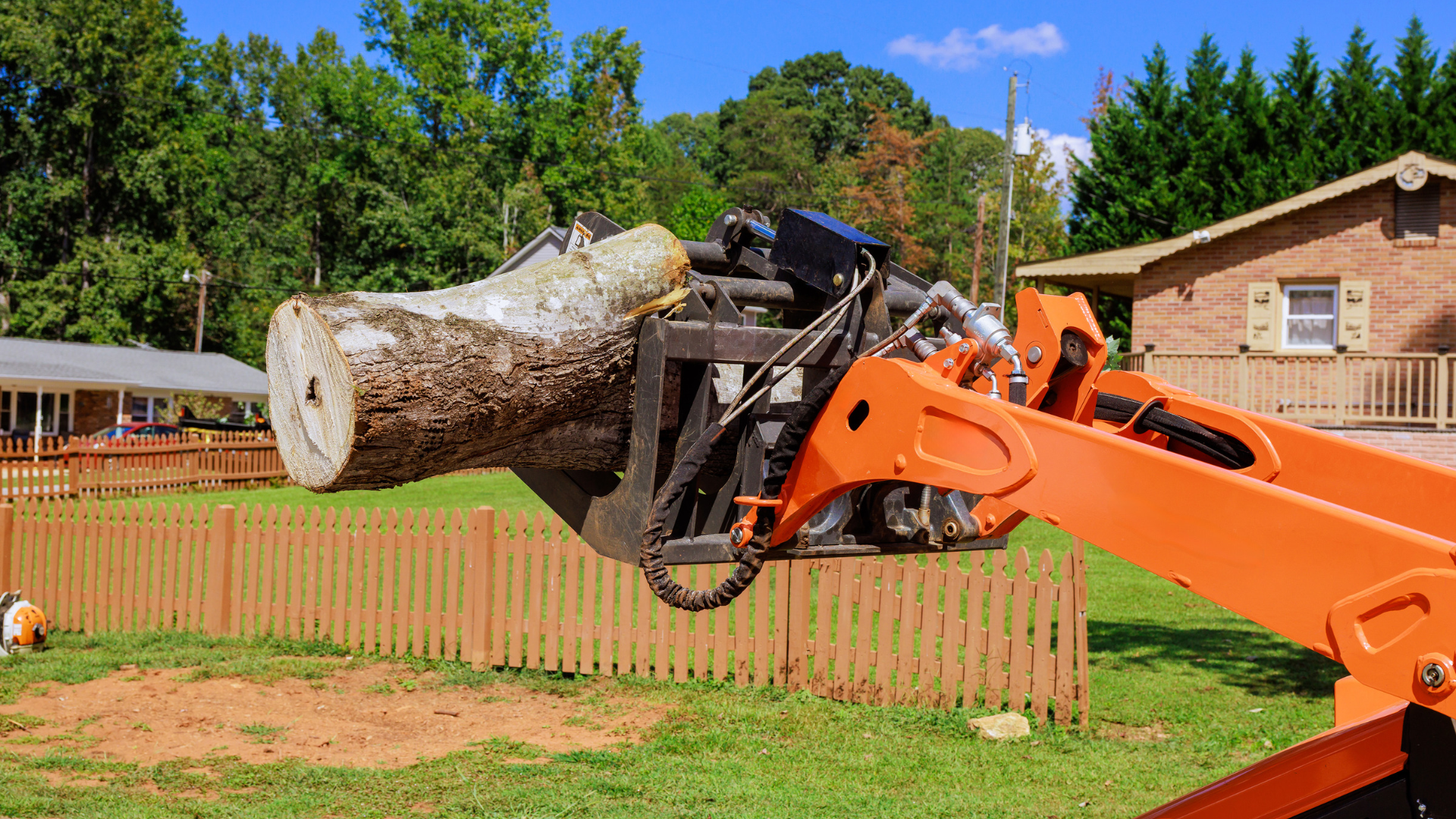
Orange excavator lifting a large tree log in a fenced yard with a house in the background
By Mike James • November 10, 2026
Learn how crews plan large-tree removal in tight backyards, protect nearby structures, choose suitable methods, and prepare Guilford homes for work.
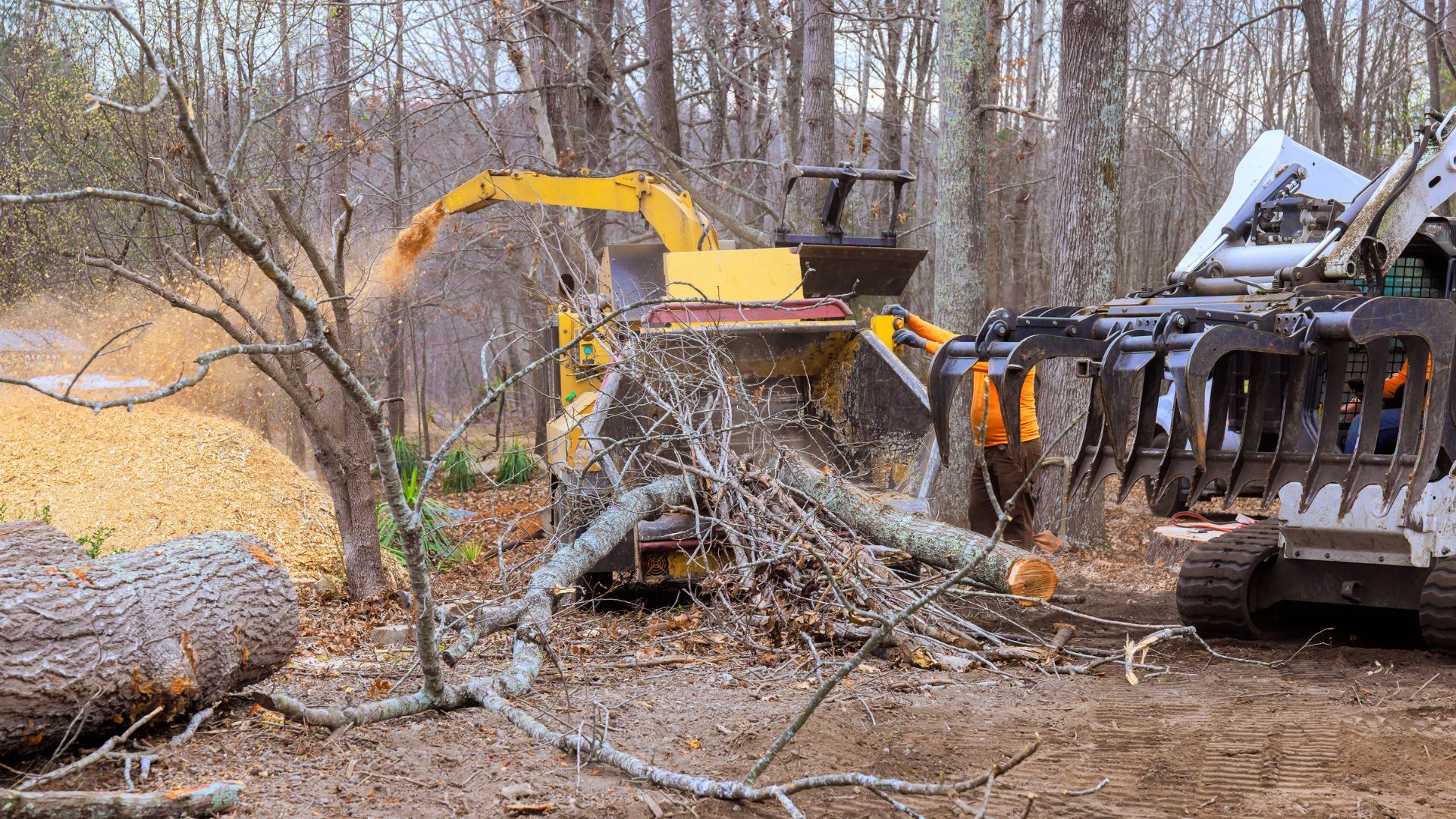
Yellow excavator clearing brush beside a skid steer in a wooded area during land clearing
By Mike James • November 10, 2026
Plan land clearing with a practical checklist for boundaries, trees, utilities, access, permits, mulch, and the finish of your Madison property.

Glowing carved jack-o'-lanterns lined up on grass at night in a park, lit orange under trees.
By Mike James • October 29, 2026
Learn five hazards around tree stumps, how to protect visitors, and when Clinton homeowners should consider stump grinding, cleanup, or site restoration.

Halloween pumpkins hanging in a tree, each carved with a different face, in a wooded area
By Mike James • October 29, 2026
Protect trees this Halloween with tips on safe attachments, branch loads, lighting, and pruning, and when Madison homeowners should request expert help.
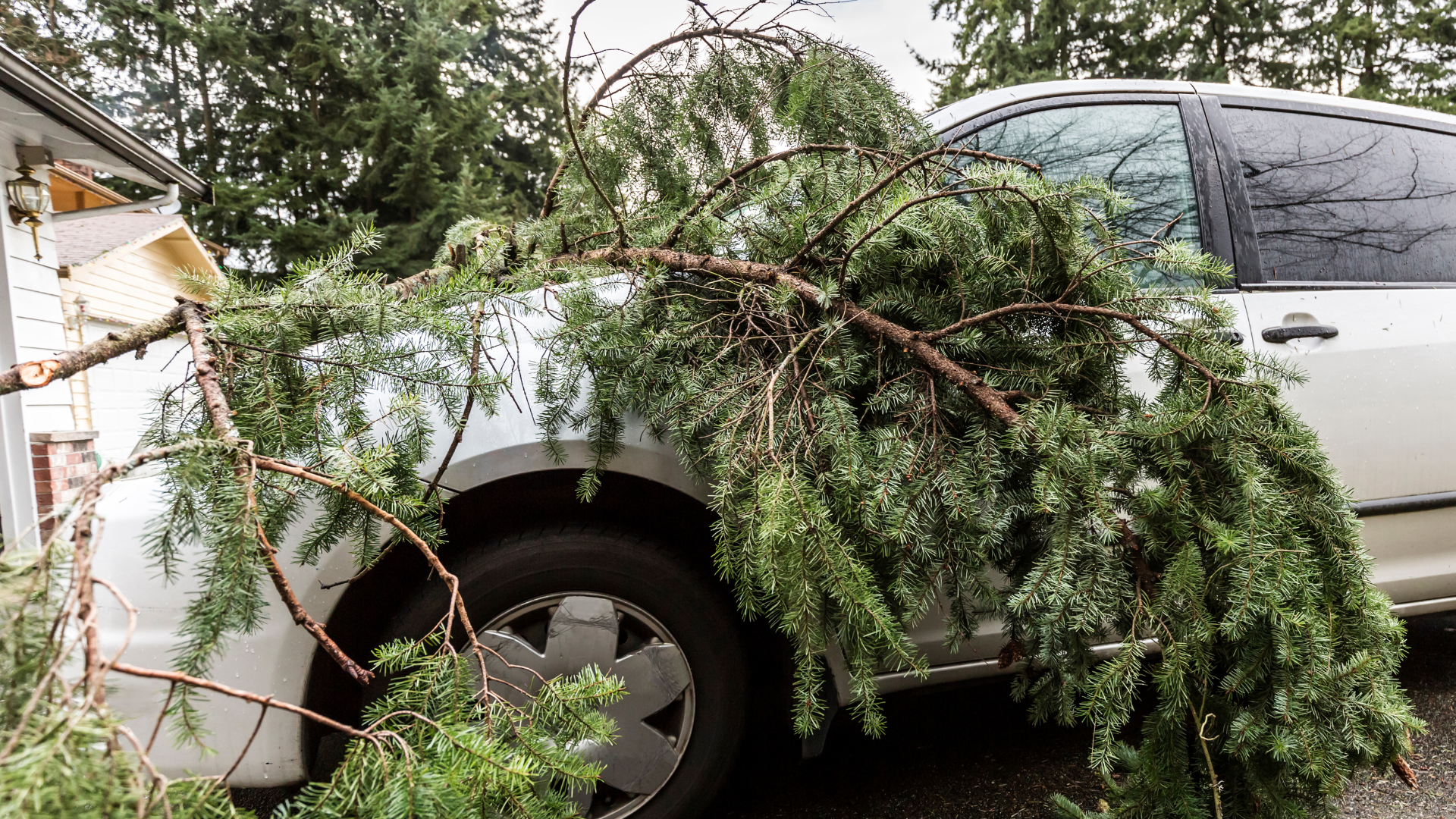
Fallen tree branches drape over a silver SUV parked beside a white house.
By Mike James • October 20, 2026
Learn how fallen branches and brush obstruct runoff, worsen ponding, and limit access, plus when Madison homeowners should arrange storm debris removal.
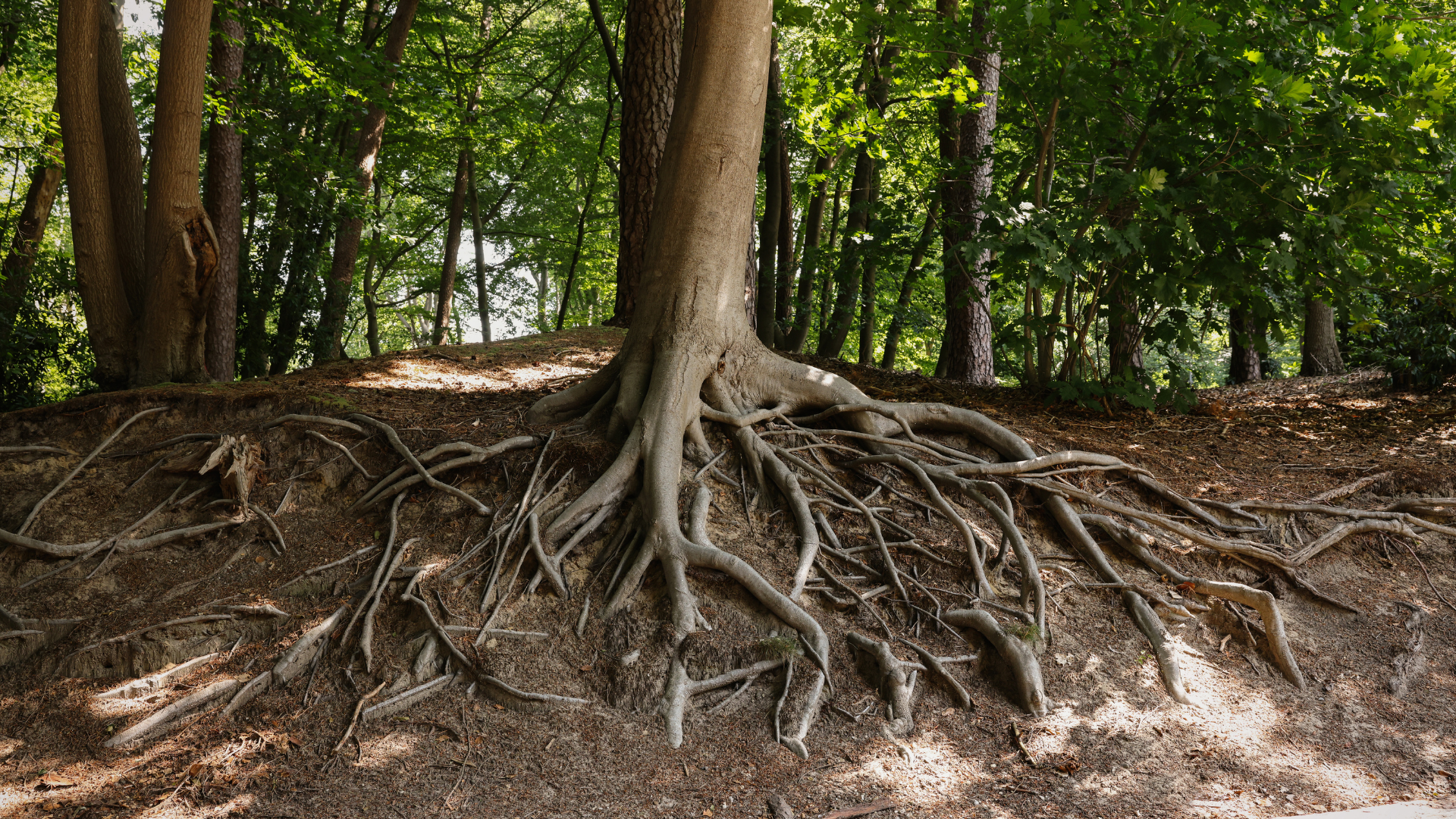
Large tree roots exposed on a dirt slope in a wooded forest area
By Mike James • October 20, 2026
Learn why saturated soil makes leaning trees less stable, which warning signs matter, and when Madison homeowners should request a professional assessment.
By Mike James • October 13, 2026
When Overgrown Land Becomes a Winter Access Problem on Madison Properties
By Mike James • October 13, 2026
What Dense Brush Can Hide Before Snow and Ice Arrive on a Madison Property
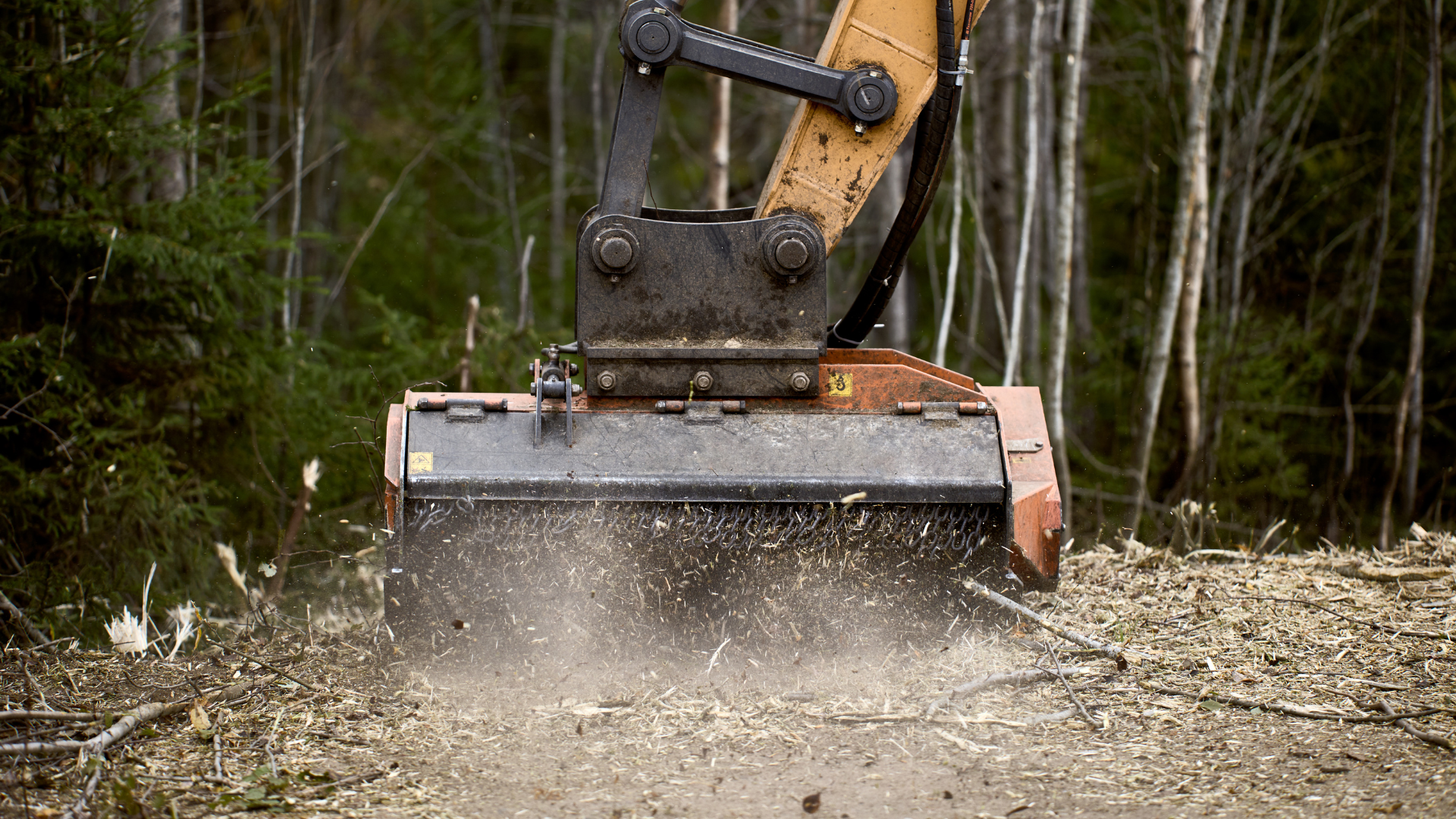
Excavator blade scraping dirt and dust on a forest trail
By Mike James • October 6, 2026
See five areas forestry mulching can reopen on Madison properties, how it works, what should remain, and how to plan the work safely before winter arrives.
Show More