How Do You Prepare an Overgrown Property for Land Clearing?
Why This Decision Matters More on CT Shoreline Properties
Before a clearing crew arrives, define what you want the land to become, confirm the work limits, identify what must stay, and discuss access and hidden infrastructure. Then check any required town review and agree on the finished condition in writing. You do not need to cut your own access trail or remove vegetation to make the estimate possible. A shared plan prevents more problems than a few hours of uncoordinated preparation.
At White Oak Tree & Landscaping, we plan land clearing and forestry mulching around the property and its next use. We help Madison homeowners reclaim overgrown areas and also work in Guilford and Clinton. Preparing for the visit means gathering information and setting priorities, rather than choosing a machine before we have seen the site. This checklist explains what to decide before work starts and what to leave for the crew.
Start With a Practical Land-Clearing Preparation Checklist
If you are deciding how to prepare land for clearing, begin with the decisions that affect the work boundary and result. A useful checklist gives us a starting point while leaving technical judgments for the site visit. The goal is a clearly defined project, not a property that you have already partly cleared yourself.
Before the visit or scheduled work, aim to:
- Describe the future use. Identify whether you want a walking route, usable yard, planting area, access corridor, or another outcome.
- Gather boundary information. Bring a survey or other reliable records and identify any uncertainty.
- List features to preserve. Note trees, screening, stone walls, planting beds, and areas you want untouched.
- Locate infrastructure records. Collect well, septic, utility, irrigation, and drainage information.
- Explain access restrictions. Mention gates, driveway limits, soft ground, overhead branches, and neighboring property.
- Identify possible regulated areas. Flag known wetlands, watercourses, easements, or relevant permit conditions.
- Agree on material handling. Decide what may stay as mulch and what needs separate removal.
- Confirm the finish. Separate vegetation clearing from stump work, grading, soil preparation, and seeding.
Do not improvise markings that could be confused with utility marks or the crew's removal instructions. Bring your preferences to the walk-through and agree on a clear marking system together. That is particularly useful where small trees and screening plants blend into dense brush.
Our land-clearing services can combine appropriate methods for the site. A small selective area may need a different approach from dense acreage. The checklist helps us understand the intended outcome before proposing that combination.
Decide What the Cleared Land Should Become
A clear end use helps define the work. A mulched woodland floor, a smooth lawn, and a construction-ready area are different results. They can require different levels of vegetation removal, stump treatment, soil work, and follow-up. Describe the activity you want to use the space for, not just the appearance you dislike today.
For example, a path for walking does not necessarily need the same width or surface preparation as an equipment route. A future lawn may require additional work after brush is processed, while retained screening may be important beside a neighboring home. Our related guide to reclaiming overgrown property explains why the next use shapes the clearing plan. For this project, write down the immediate objective and any later phase so the first job does not make the next one harder.
Confirm Clearing Limits and What Must Remain
A fence, brush line, or old mowing edge may not be a reliable property boundary. If the limit is uncertain, resolve it with appropriate records or a qualified surveyor before approving work there. A clearing crew's marking plan is not a substitute for establishing ownership. The agreed boundary should be understandable to the person directing the work as well as to you.
Identify trees and features you want retained during the same walk-through. Explain why they matter, such as privacy, shade, a future planting plan, or protection of an existing structure. The work limit should also account for space needed around retained trees rather than protect only the visible trunk. Do not mark every unwanted stem yourself unless we have agreed how those marks will be interpreted.
Locate Utilities, Wells, Septic Components, and Hidden Obstacles
Dense growth can conceal more than plants. Old wire, dumped material, shallow lines, well infrastructure, and septic components can affect machine access and the clearing method. Share known information even if you are unsure whether it will matter.
| Feature to identify | Information to provide | What it changes |
|---|---|---|
| Public utility facilities | Applicable locating information and project details | Work planning where ground disturbance is involved |
| Private lines | Irrigation, lighting, outbuilding power, and other owner-installed services | Additional locating and protection needs |
| Well infrastructure | Well location and accessible records | Equipment routes and protection planning |
| Septic system | Tank, piping, leaching area, and reserve area where known | Areas to protect from traffic or disturbance |
| Buried drainage | Known pipe routes, outlets, or receiving structures | Avoiding damage during clearing and later work |
| Old fences and debris | Wire, posts, dumped material, or hidden structures | Hand work, material removal, or revised machine use |
Connecticut's Call Before You Dig service explains the utility-location process for excavation work. Confirm who is responsible for the applicable request, marking, and coordination before ground disturbance begins. Private facilities may require additional locating beyond the public utility process.
Do Not Assume Mulching Eliminates Every Underground Risk
Forestry mulching generally targets vegetation, but the job can still involve equipment traffic and work near concealed obstacles. Later stump grinding or soil preparation introduces additional ground-disturbance considerations. A separate decision about excavation should therefore be made before the crew arrives. Tell us about unknown lines or missing septic records rather than assume the lack of digging on one part of the job resolves every concern.
Check Wetlands, Watercourses, and Other Required Review
Confirm regulated areas before clearing, not after equipment arrives. Connecticut DEEP's municipal wetlands permitting guidance explains that proposed clearing and other work in or near inland wetlands and watercourses needs municipal review. Activities outside a wetland can also affect it and fall within local review provisions. The town's inland wetlands staff can explain what information is needed for your proposed scope.
That does not mean every residential brush-clearing job needs the same permit. The property, work location, disturbance, and applicable rules determine the review. In Madison, Guilford, or Clinton, provide a description of the proposed work rather than ask only whether “mulching” is allowed in general. Keep written determinations, approvals, and conditions with the job documents so they can be incorporated into the scope.
Plan Equipment Access and Protect the Ground
Access includes the entire route between the street and the clearing area. A gate opening is only one constraint; turning space, slopes, overhead clearance, surface condition, and space for handling material matter too. Do not remove a fence or cut a tree to widen access until the route has been assessed.
Discuss these conditions during the walk-through:
- Narrow gates or side yards.
- Driveways with limited turning or parking space.
- Soft ground or areas that remain wet after rain.
- Steep slopes and abrupt grade changes.
- Retaining walls, steps, patios, and drainage structures.
- Septic areas and other ground that should not carry equipment.
- Where machines, trailers, and material handling can be staged.
Wet Ground Can Change the Schedule
A clear calendar date does not guarantee suitable ground conditions. If travel or clearing would cause unacceptable rutting or disturbance, we may need to adjust the route, method, or timing. Discuss that possibility before the job is scheduled so the decision is not a surprise. Rain, groundwater, and the type of work all affect what is practical.
Access Should Match the Agreed Scope
Do not assume a neighbor's driveway or yard is available for the crew. Any off-property access needs permission and a clear arrangement before it becomes part of the work plan. Also explain routine access you need to maintain, such as reaching a garage or service entrance. The staging area should support the job without blocking essential movement unexpectedly.
Our guide to areas forestry mulching can reopen shows why access routes and selective openings have different requirements. Use it to clarify the purpose of your project rather than expand the work limit automatically. A defined corridor can be more useful than removing vegetation across the whole parcel.
Agree on Mulch, Stumps, Debris, and the Finished Surface
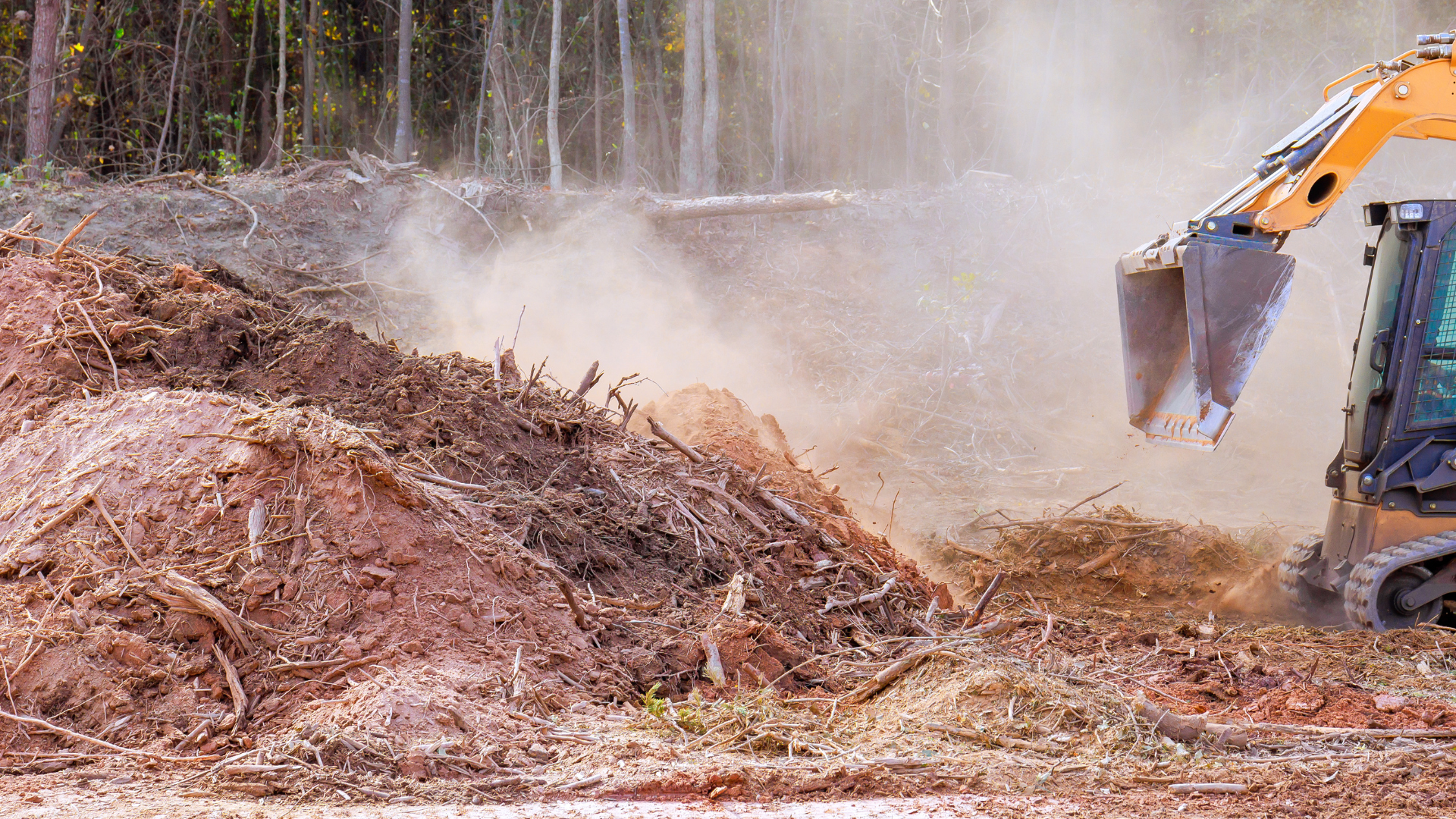
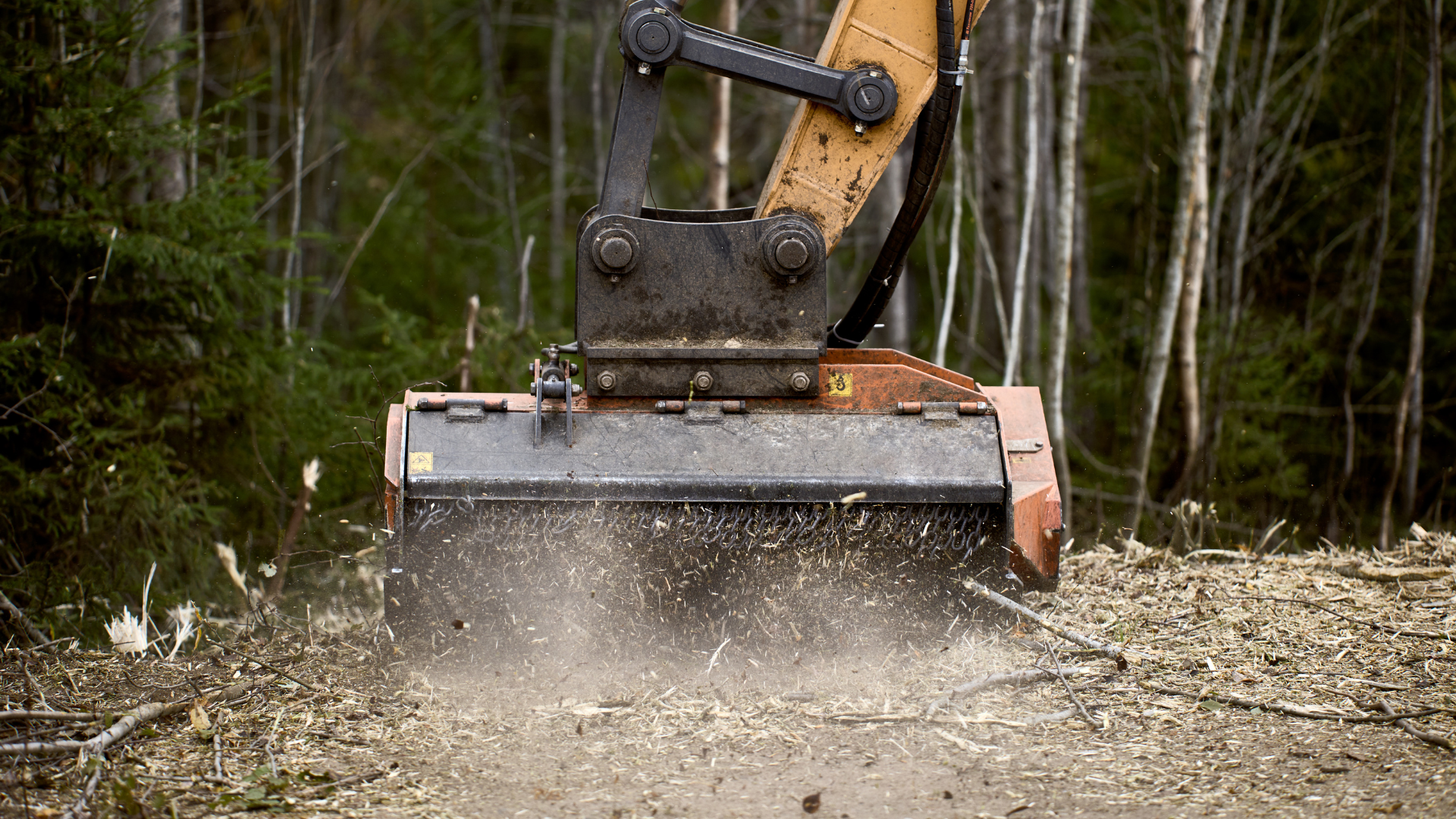
Forestry mulching processes suitable brush and woody growth on-site, leaving material over the ground. It does not automatically remove every stump, buried root, stone, or uneven area.
A mulched site is not the same as a prepared seedbed or finished lawn.
| Desired result | What to discuss before work | Possible separate follow-up |
|---|---|---|
| Reopened woodland route | Width, retained trees, and mulch finish | Ongoing vegetation management |
| More usable yard | Clearing limits and stump expectations | Soil preparation, grading, or seeding |
| Planting area | Root and stump interference | Specific bed preparation |
| Construction-related clearing | Plans, removal limits, and next contractor's needs | Excavation or construction preparation |
| Selective vegetation removal | Plants to retain and machine limits | Hand work or individual tree work |
| Invasive-growth management | Species and handling approach | Follow-up control for regrowth |
When Selective Work May Be Better
A machine is not automatically the best choice around closely spaced retained plants or sensitive features. Selective removal, hand work, or individual tree work may provide better control for part of the property. We can explain whether a mixed approach makes sense after seeing the growth and terrain. The written scope should identify those differences rather than describe every area simply as clearing.
Set Expectations for Regrowth and Cleanup
Mechanical clearing is a reset, not a guarantee that invasive plants or woody regrowth will never return. Ask which follow-up steps are appropriate and who will carry them out. Also specify whether chips stay, logs are stacked, or material leaves the property. Our stump-grinding services can be discussed separately when remaining stumps interfere with the intended use.
Review the Written Scope, Price, and Day-of-Work Plan
Approve a defined result rather than an undefined amount of machine time. The proposal should identify the work limits, retained features, material handling, and finish. If something is excluded, such as seeding or stump removal, knowing that before work helps you budget the next phase.
Use a Simple Readiness Check
- Ready to schedule: Boundaries, preserved features, access, required review, and finish are understood.
- Ready for an estimate but not work: The goal is clear, but the method or extent still needs the walk-through.
- Resolve boundaries first: Ownership or the intended clearing limit is disputed or uncertain.
- Resolve site constraints first: Utilities, septic components, wetlands review, or unsuitable ground remain unresolved.
- Revise the scope: The requested finish needs additional services beyond vegetation processing.
What Should You Budget?
We provide a free on-site estimate and written pricing after assessing the property. Our typical guidance for residential brush removal and property-line clearing is 1,500–4,000. Construction lot clearing typically ranges from 3,000–10,000 or more, while forestry mulching is priced by the acre or half-acre according to the job. The final proposal depends on the actual work rather than applying one rate to every overgrown property.
| Work category | Our typical pricing guidance | Main scope questions |
|---|---|---|
| Residential brush or property-line clearing | 1,500–4,000 | Extent, density, access, and retained features |
| Construction lot clearing | 3,000–10,000 or more | Tree removal, stump work, and project requirements |
| Forestry mulching | Priced by acre or half-acre for the assessed scope | Vegetation, terrain, and finish |
| Stump work | Confirm in the written estimate | Which stumps and intended outcome |
| Hauling or surface restoration | Confirm project-specific inclusions | Material handling and next-use requirements |
Before arrival, move portable furniture and other loose belongings only from areas the crew has identified as safe. Confirm vehicle parking, gate arrangements, pets, and the best contact person for decisions. Do not start cutting hazardous limbs or entering dense brush to make the job easier.
If the crew uncovers wire, buried debris, or another unexpected condition, the plan may need adjustment. Agree on how changes will be discussed before extra work begins. A final walk-through can then compare the result with the written scope instead of relying on different memories of the original conversation.
Prepare the Plan With Us Before Clearing Begins
If you are ready to reclaim an overgrown Madison property, we can help define the work before a crew arrives. We also provide land clearing and forestry mulching in Guilford and Clinton. Tell us what the space should become and which trees or features need to stay. A useful clearing plan connects the boundary, access route, method, and finished condition.
Contact White Oak Tree & Landscaping or call 203-429-5660 to request a free on-site estimate. Gather available surveys, utility information, and well or septic records for the visit. We will walk through the options and explain the proposed scope. You can then approve the work with a clear understanding of what is included and what comes next.
Helpful Services and Related Reading
Recent Posts