Hire Best Tree Service Expert in Clinton and the CT Shoreline

Mike James • June 17, 2026

Tree work is one of the few home services where the wrong hire does not just produce a poor result. It can produce a dangerous one. A contractor who lacks proper insurance leaves the homeowner liable for any injury or property damage that occurs on their property. A crew without the training or experience to read a tree correctly can bring one down in a direction that damages a structure, a vehicle, or a neighboring property. And in Connecticut specifically, hiring someone who does not hold a Connecticut Arborist License to perform tree work that requires one is hiring someone operating outside the law.

The Connecticut shoreline communities from Branford through Clinton to Old Saybrook have no shortage of people who will show up with a truck and a chainsaw and offer to take down your tree. The question is not whether you can find someone willing to do the work. It is whether the person you hire has the credentials, the insurance, the experience, and the local knowledge to do it correctly and safely.

White Oak Tree & Landscaping has been the answer to that question in Clinton and along the Connecticut shoreline since 1991. This guide explains what separates a qualified tree service from an unqualified one, what Connecticut law specifically requires, and what to verify before anyone touches a tree on your property.

What Connecticut Law Requires for Tree Work

This is where the conversation starts, because Connecticut is one of only a small number of states in the country with a mandatory arborist licensing requirement, and most homeowners do not know it applies.

In Connecticut, anyone performing tree work that involves the application of pesticides, or who holds themselves out as an arborist, must hold a Connecticut Arborist License administered by the Connecticut Department of Energy and Environmental Protection in conjunction with the CT Tree Protection Examining Board. According to the CT Tree

  • A Connecticut Arborist License is a meaningful credential, not a formality. The exam is difficult and the knowledge it certifies is relevant to whether the work on your property is performed correctly.
  • ISA Certified Arborist credentials add value on top of the CT license, not in place of it. ISA certification demonstrates additional commitment to professional development and up-to-date knowledge of arboriculture best practices recognized nationally.
  • Unlicensed tree workers are not just unqualified. They may be operating illegally. Hiring an unlicensed contractor for work that requires licensure in Connecticut creates liability exposure for the homeowner in addition to the quality and safety risks.

Insurance: The Requirement That Protects You, Not Just the Contractor

Insurance is the single most important credential to verify before any tree work begins on your property, and it is the one most commonly skipped by homeowners who assume that a business operating openly must be covered.

Tree work is consistently identified by OSHA as one of the most hazardous occupations in the country, with fatality rates significantly exceeding most construction trades. The combination of working at height, chainsaw operations, rigging systems, and unpredictable tree behavior creates an injury severity profile that makes the consequences of an uninsured incident on your property severe.

What adequate insurance for a Connecticut tree service looks like:

  • General liability insurance: Covers property damage caused by the tree service during the job. If a limb falls on your roof, crushes your fence, or damages a neighboring property, general liability insurance is what pays for it. Industry guidance for Connecticut tree service contractors indicates general liability coverage should be at minimum $1 million per occurrence, with $2 million recommended for commercial work.
  • Workers compensation insurance: Connecticut law requires workers compensation for any employer with one or more employees. If a crew member is injured on your property and the company does not carry workers compensation, the homeowner can be held liable for the injured worker's medical costs and lost wages. This is not a hypothetical risk. It is a documented pattern in states where tree work is performed by uninsured crews.
  • Do not accept verbal confirmation: Request certificates of insurance in writing. Call the insurance company listed on the certificate to confirm that the policy is active and that the coverage amounts match what is stated. Certificates can be altered or outdated.

A reputable tree service will provide proof of insurance without hesitation and will not object to you verifying coverage directly with the insurer.

What to Look for in a Tree Service Estimate

A written estimate from a tree service tells you more than the price. It tells you whether the company understands the scope of work, what approach they plan to take, and what is and is not included in the quoted price. Comparing estimates across companies becomes meaningful only when each estimate covers the same scope.

What a complete tree service estimate should include:

  • Specific description of the work: Which trees, which sections, what approach. "Remove tree" is not a sufficient description for a complex removal. The estimate should reflect that the company has assessed the specific job.
  • Debris removal and cleanup: Whether the wood, branches, and chips will be removed from the site or left for the homeowner to manage. This is a significant variable in both cost and convenience.
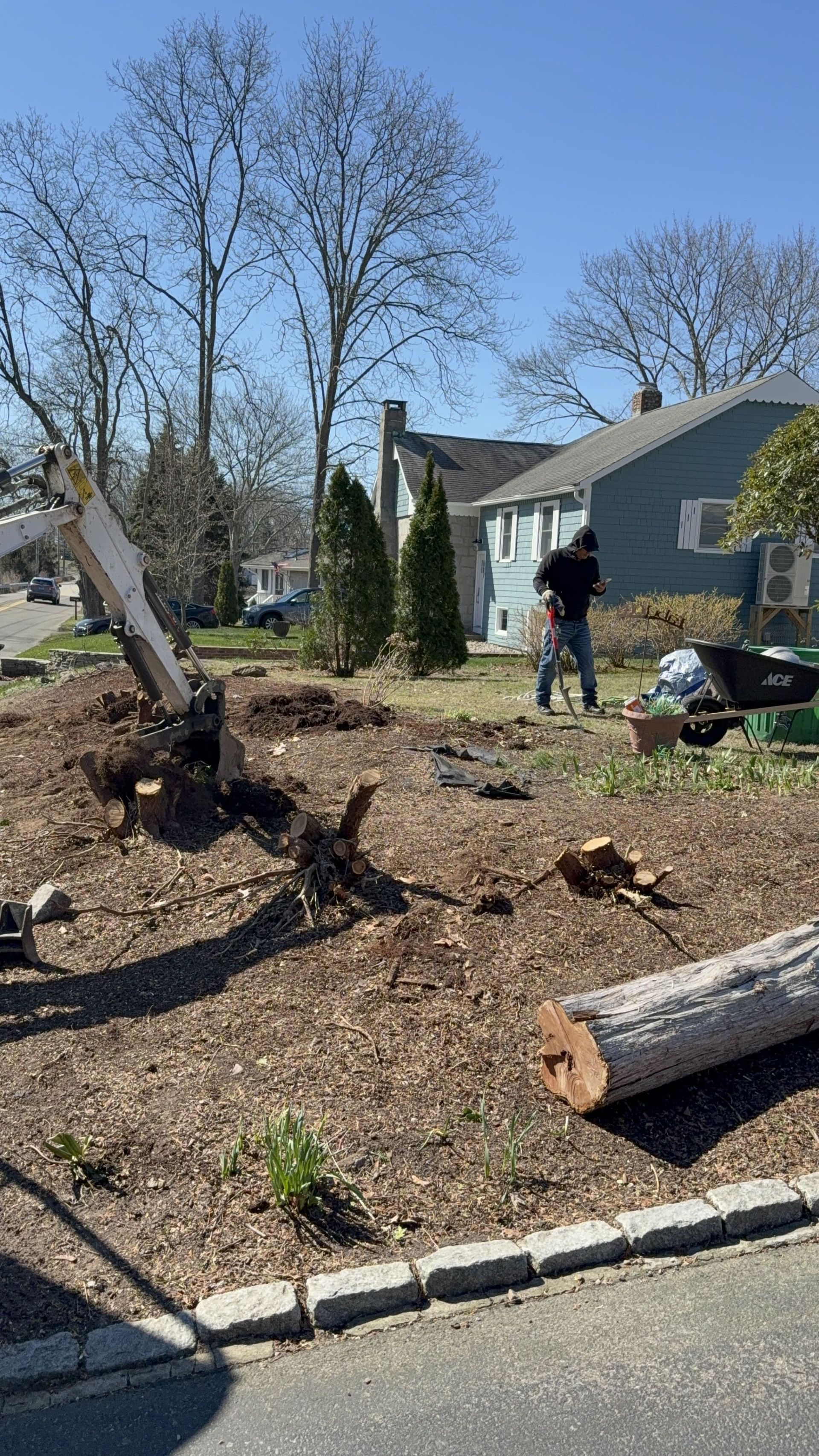
  • Stump treatment: Whether the stump will be ground, left, or treated with a chemical application, and whether stump grinding is included in the price or quoted separately.
  • Access and equipment plan: What equipment will be used and how access will be obtained to the work area. For tight residential lots common throughout Clinton, Westbrook, and Madison, the access plan matters as much as the removal plan.
  • Timeline and crew size: When the work will be performed, how long it is expected to take, and how many crew members will be on site.

Red flags in a tree service estimate:

  • Unusually low pricing with no written scope: When a bid is significantly lower than others received for the same job, the difference is typically explained by missing scope, inadequate insurance, unlicensed crew, or shortcuts in safety and cleanup. According to New England ISA guidance, the lowest bid is not always the best option, and the combination of price, credentials, scope of work, and professionalism should all factor into the decision.
  • Door-to-door solicitation, particularly after storms: According to ISA guidance, reputable tree care companies are generally too busy with scheduled work to solicit jobs door-to-door. Storm-chasing contractors who appear uninvited after a weather event are a documented source of uninsured, unlicensed tree work on Connecticut properties.
  • Pressure to decide immediately: A qualified tree service gives homeowners time to verify credentials, compare estimates, and make a considered decision. Pressure to commit on the spot is a sign that scrutiny is not welcome.
  • No written contract: Reputable tree services provide written contracts. The ISA specifically advises homeowners that most reputable arborists have their clients sign a contract and to read it carefully before signing.

Why Climbing Specialists Handle What Other Crews Cannot

Not all tree work requires the same approach, and not all tree service companies are equipped to handle the full range of jobs that Connecticut shoreline properties present.

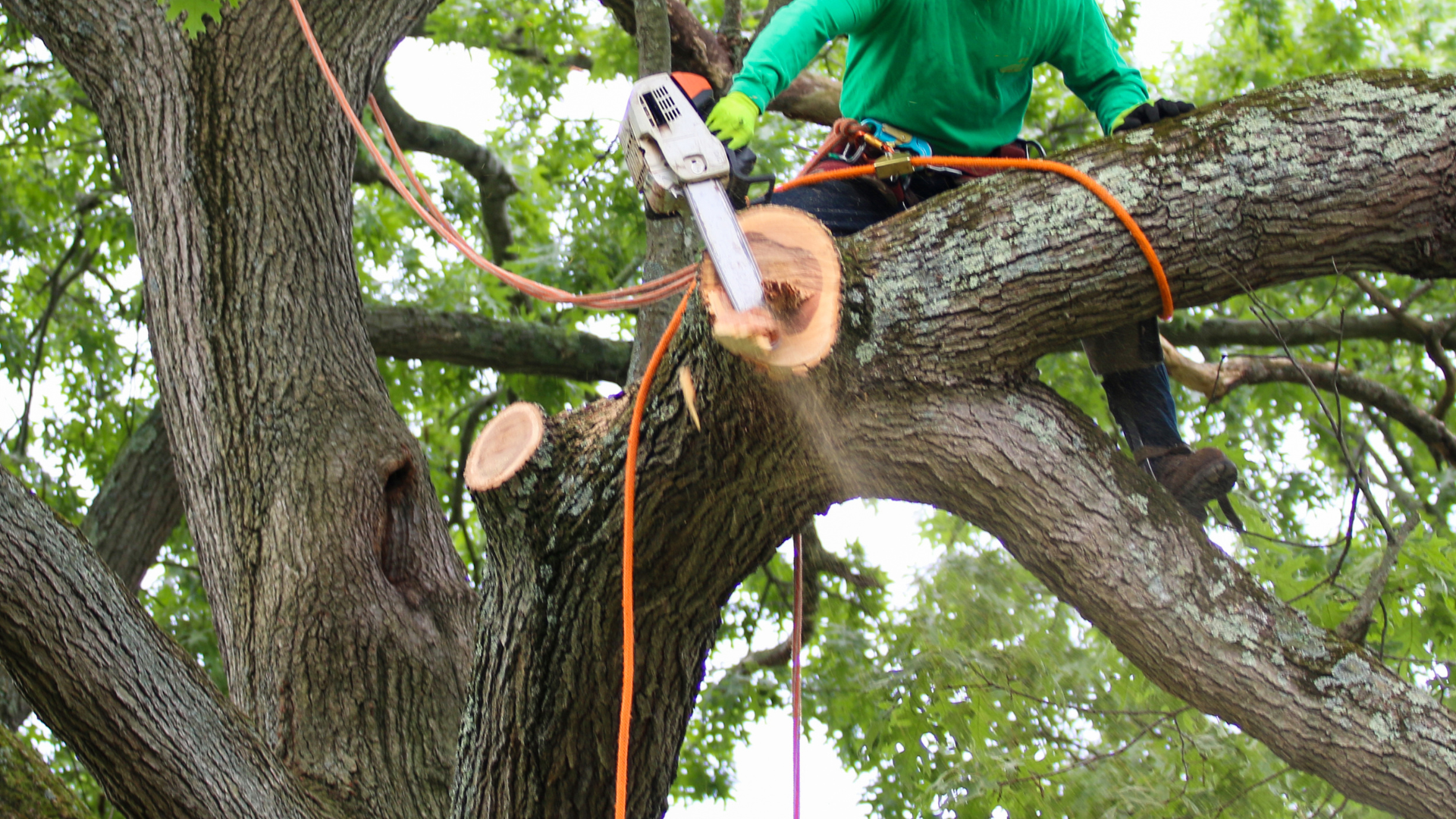
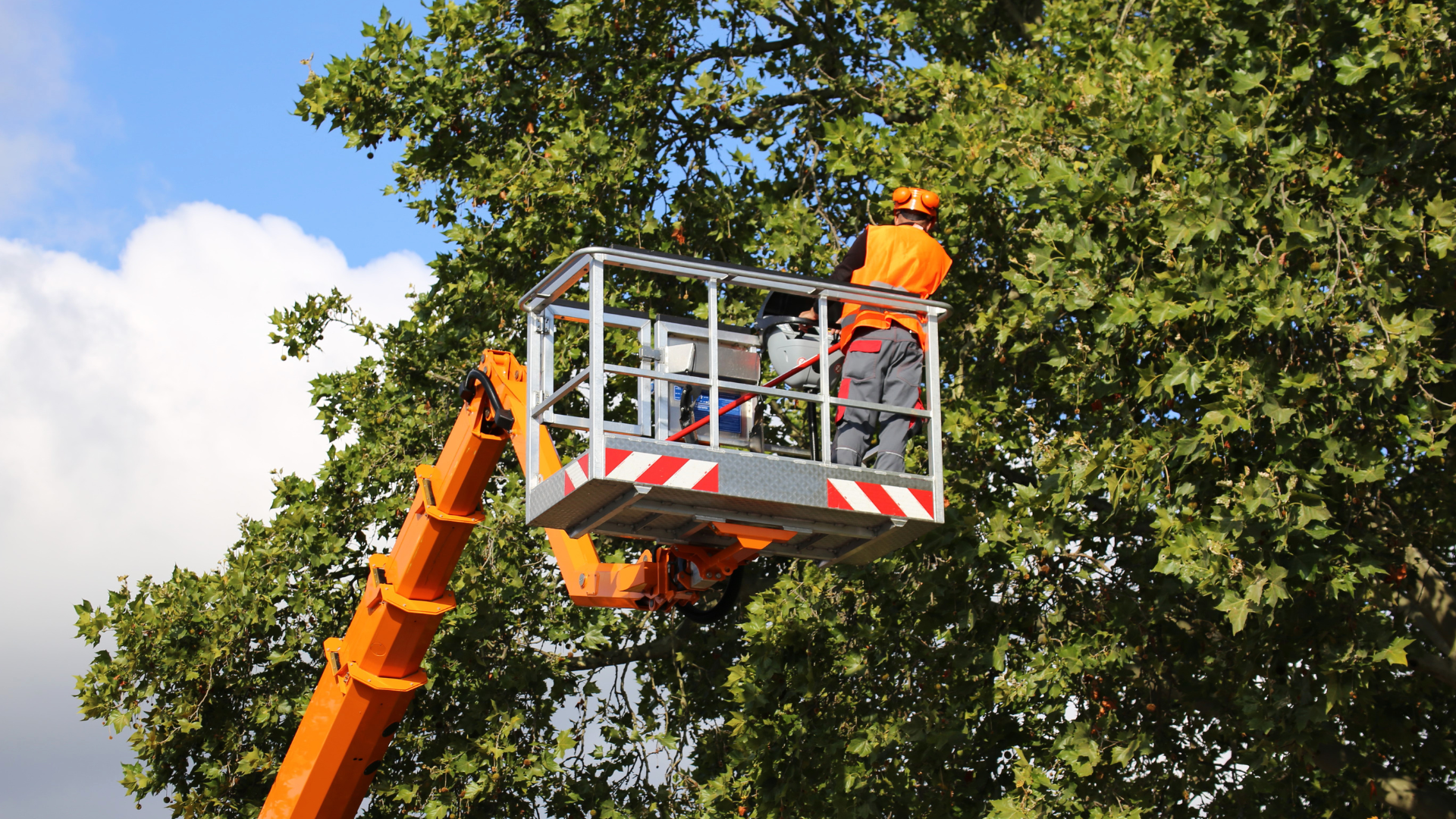
The residential lots throughout Clinton, Westbrook, Old Saybrook, and the surrounding communities are often compact, with mature trees that have grown into close proximity with structures, fences, utility lines, and neighboring properties over decades. Many of these trees cannot be felled in a single direction without risk to something in the fall zone. The removal approach that is both safe and effective for these jobs is precision work from inside the canopy, removing the tree in controlled sections from the top down with rigging systems that control where each section lands.

This is climbing specialist work. It requires experienced tree climbers, proper rigging equipment, and the judgment that comes from years of working in exactly these conditions. Companies that rely primarily on bucket trucks and ground-level felling are equipped for straightforward jobs in open space. They are frequently the crews that decline technically complex residential jobs or approach them in ways that put surrounding structures at risk.

White Oak Tree & Landscaping is a climbing specialist operation. The crew works from inside the canopy using ropes and rigging, which allows precise, controlled removals in the confined conditions that define most residential jobs on the Connecticut shoreline. This approach produces less disruption to the surrounding yard, more control over where material lands, and the ability to take on the technically demanding jobs that other companies walk away from.

What 35 Years on the Connecticut Shoreline Actually Means

Experience matters in tree work in the same way it matters in any technically demanding trade. The accumulated pattern recognition from thousands of jobs on Connecticut shoreline properties is not something that shows up on a credential. It shows up in how a crew reads a tree before the first cut, how they plan a removal in a confined yard, how they anticipate the way a specific species under specific conditions is likely to behave.

After 35 years and more than 3,000 properties served across Clinton and the surrounding shoreline communities, White Oak Tree & Landscaping carries that pattern recognition on every job. The climbing specialists on the crew have worked through the full range of Connecticut weather events, tree species, residential conditions, and technically complex removals that define this region. That experience is what produces the outcome a homeowner is actually paying for: the right result, safely executed, with the property protected.

What White Oak brings to every job:

  • 35+ years of climbing specialist experience on Connecticut shoreline properties specifically
  • Licensed and insured, with general liability and workers compensation insurance carried on every job
  • Written quotes covering the full scope of work before anything begins
  • Free on-site assessments so that the estimate reflects the actual job, not a phone description of it
  • Over 3,000 properties served across Clinton, Westbrook, Madison, Guilford, Old Saybrook, Old Lyme, Branford, and the surrounding shoreline communities
  • 4.8 stars across 104 Google reviews from property owners who have experienced the work firsthand

The Questions to Ask Before Hiring Any Tree Service in Clinton

Before any tree service begins work on your Connecticut shoreline property, ask these questions and verify the answers:

  • Can you provide your Connecticut Arborist License number? Verify through the CT DEEP or CT Tree Protective Association.
  • Can you provide a current certificate of insurance for general liability and workers compensation? Call the insurer to confirm the policy is active.
  • Will you provide a written estimate covering the full scope of work, debris removal, and stump treatment?
  • What is your approach for this specific job? A qualified crew should be able to explain their plan for the specific tree and site conditions.
  • Do you have references from similar jobs in this area? Check them.
  • Will I receive a written contract before work begins?

A qualified, reputable tree service answers every one of these questions without hesitation. If any of them produce evasiveness, delays, or pressure to skip the verification step, that is the answer you need.

Share this article

Recent Posts

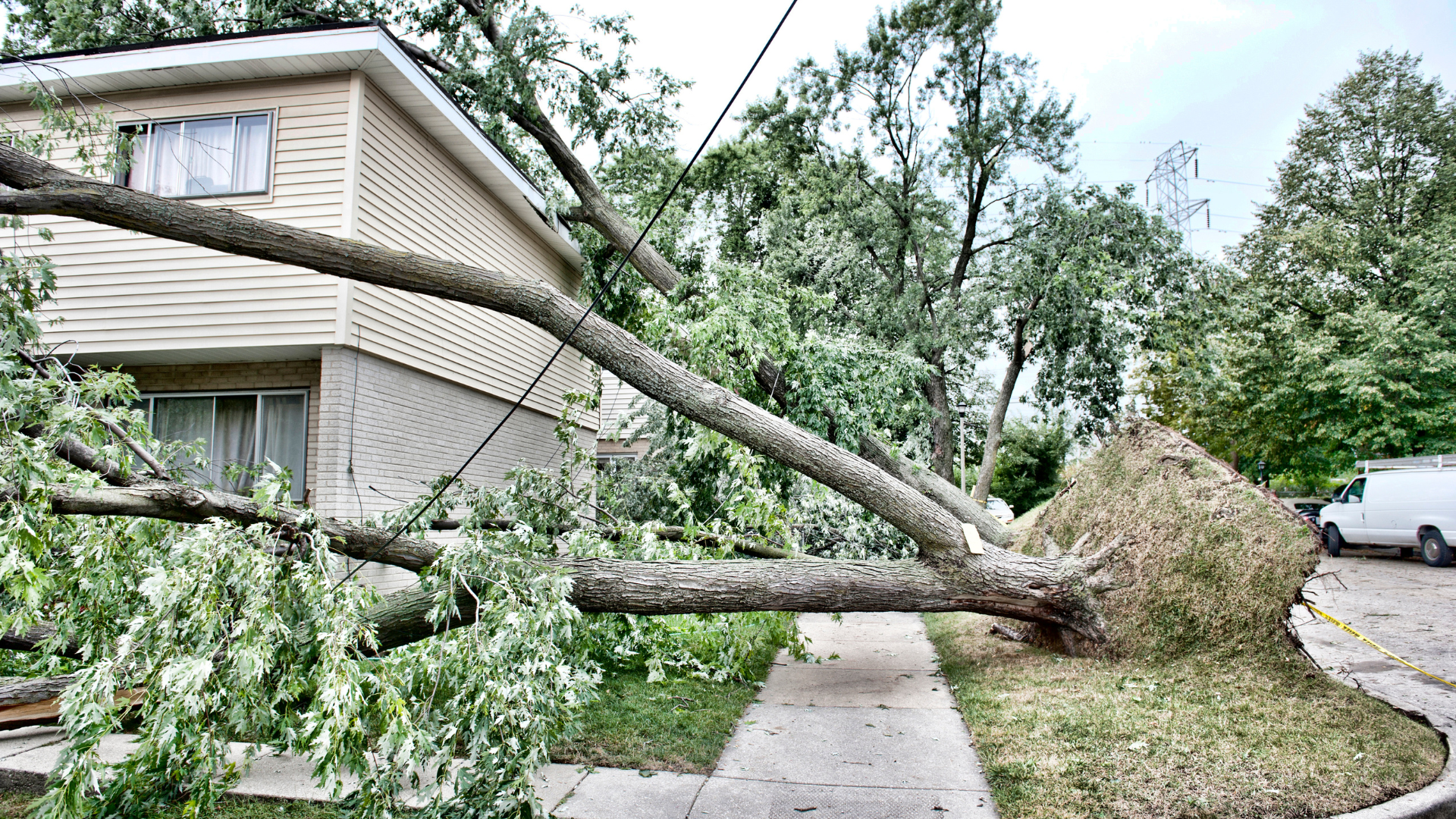
A fallen tree blocks a residential street after storm damage, with a damaged house and power lines nearby.
By Mike James June 15, 2026
Some trees on Connecticut shoreline properties are past the point of waiting but haven't failed yet. White Oak Tree & Landscaping explains the warning signs, the window, and why acting now costs less than acting after.
At-risk tree near a home in Clinton CT requiring professional removal
May 27, 2026
Learn the warning signs of at-risk trees Clinton homeowners shouldn't ignore. White Oak Tree & Landscaping offers free hazardous tree removal assessments.