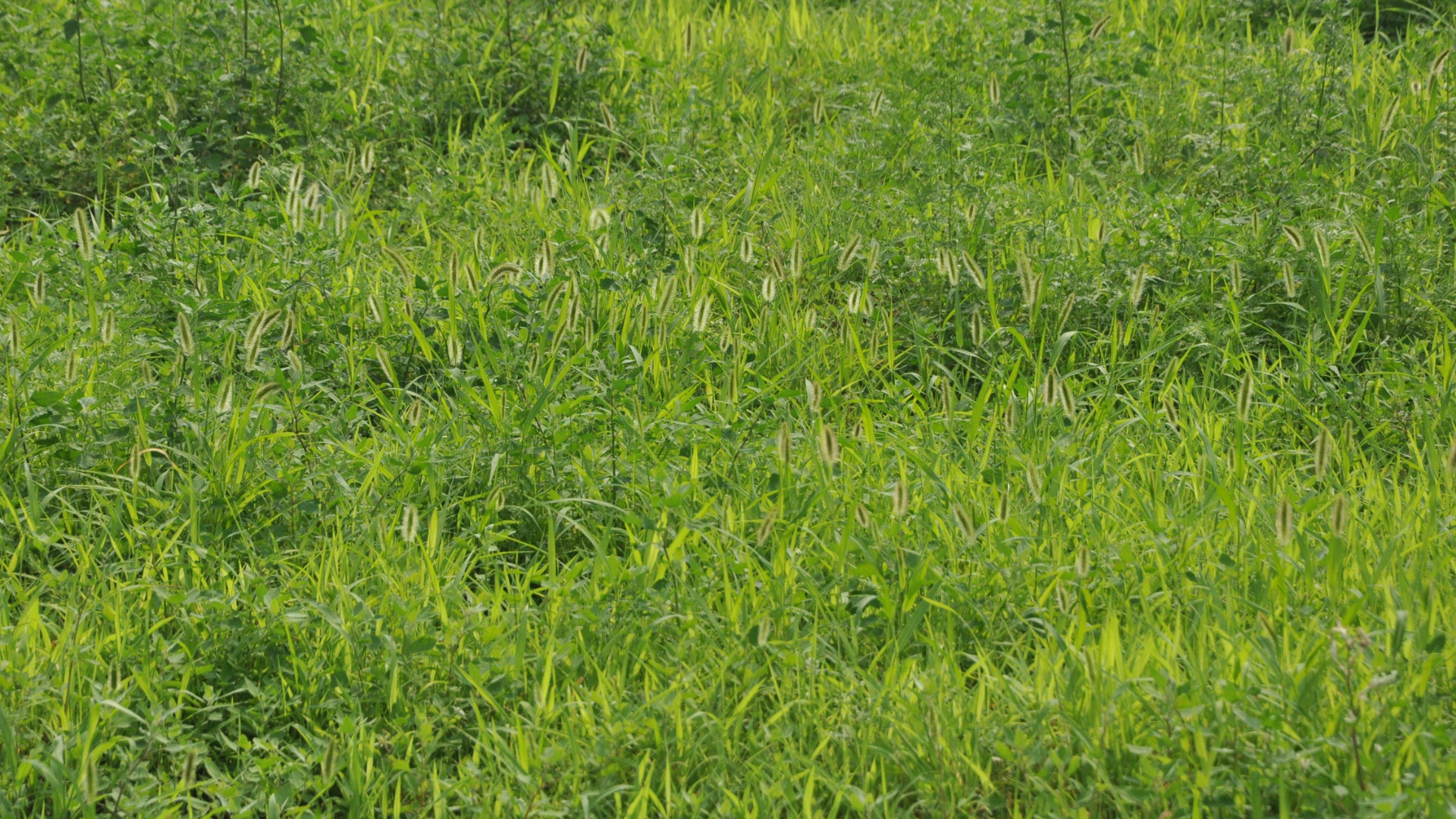
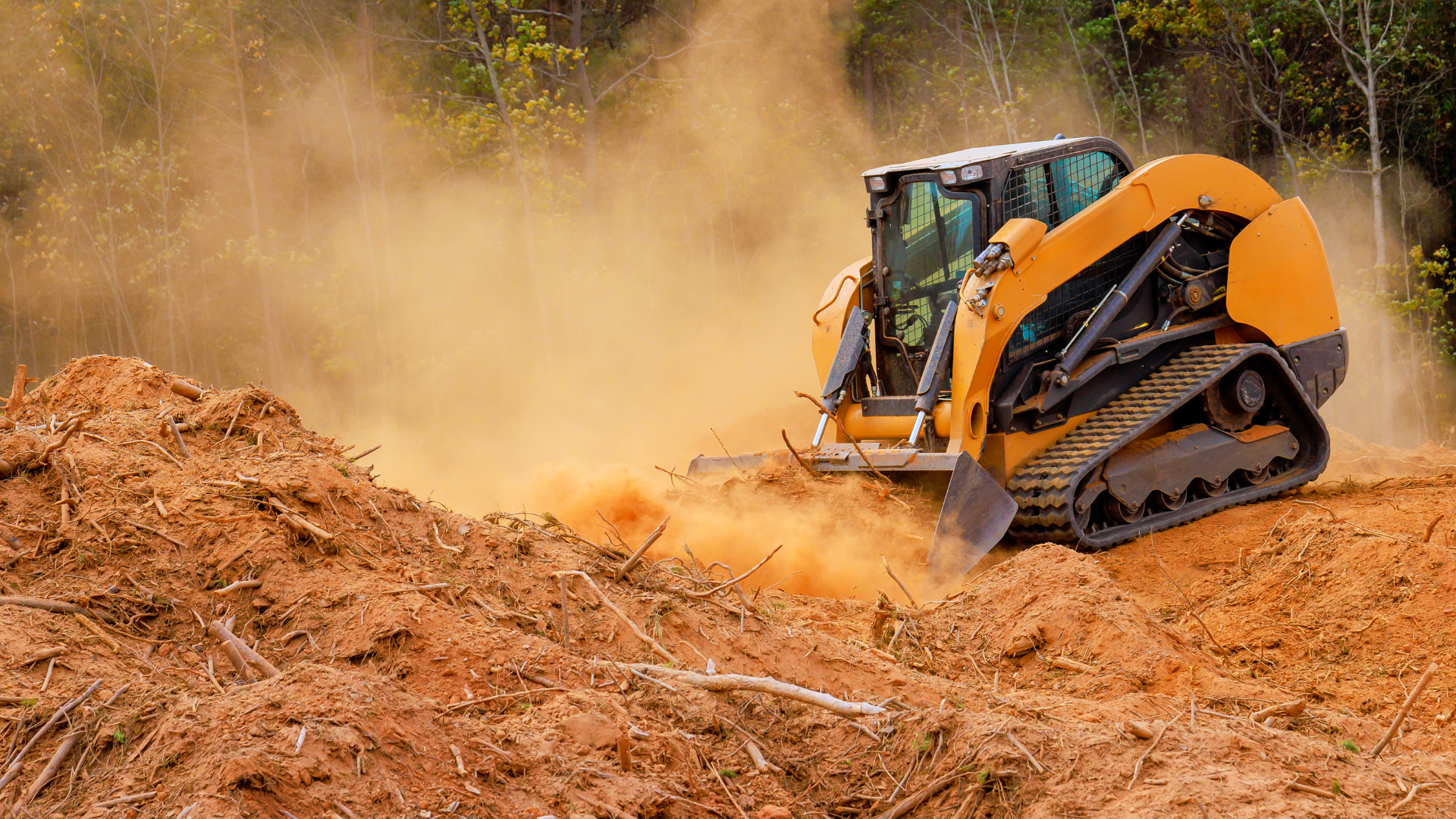
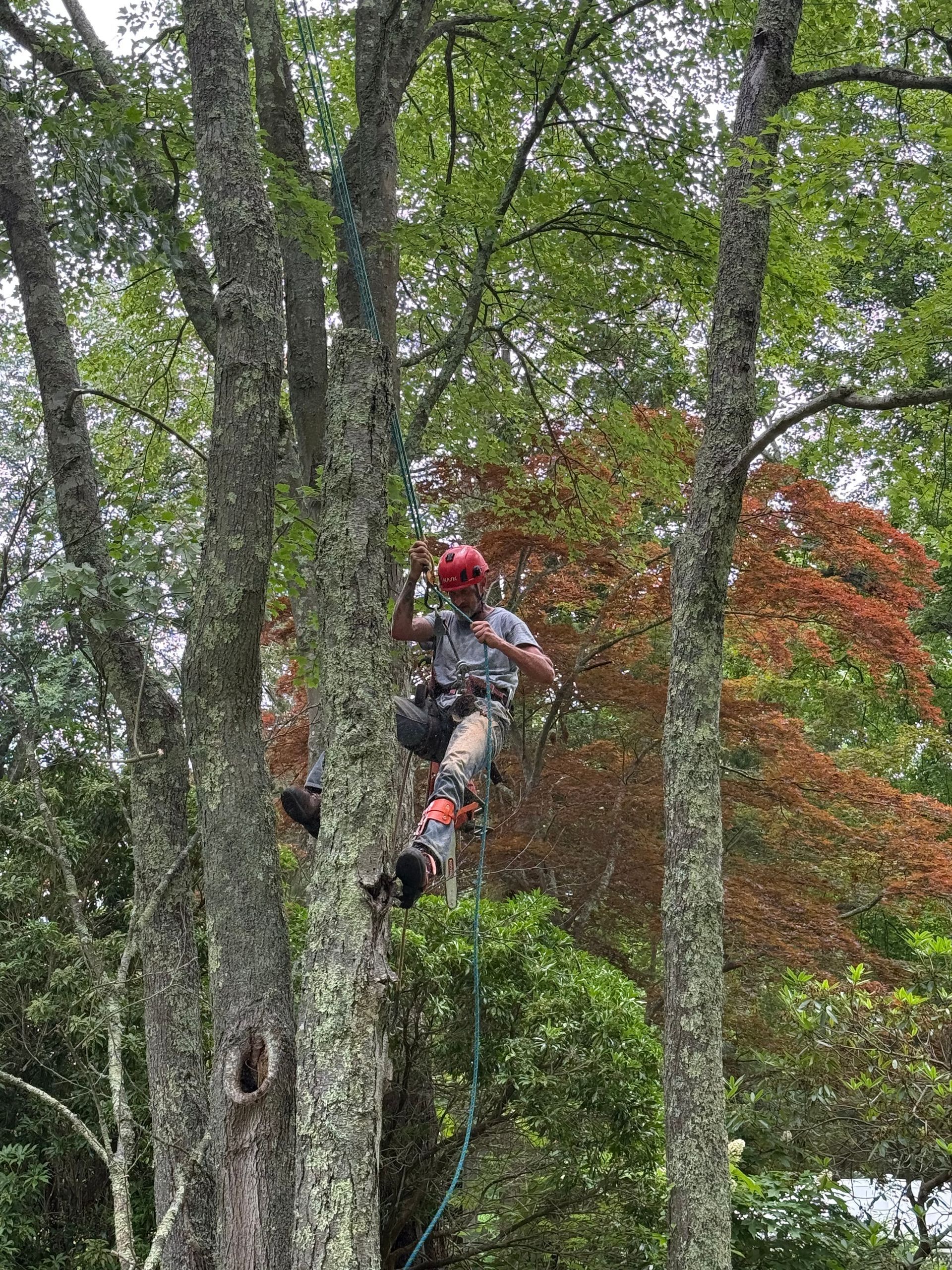
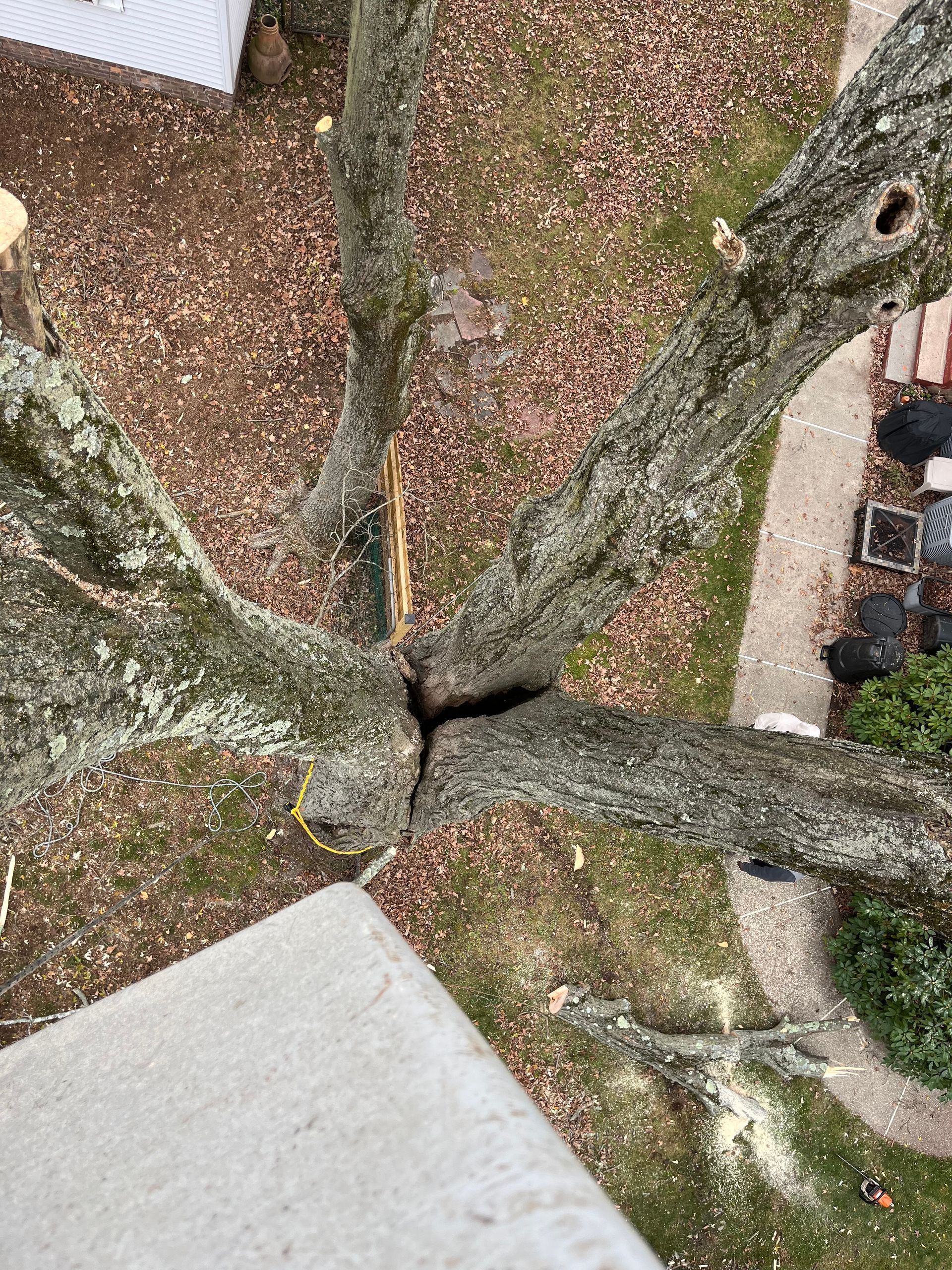
The practical takeaway for most CT Shoreline properties: forestry mulching is the more efficient, less disruptive, and more environmentally responsible method for the types of clearing residential properties most commonly need.
Why Forestry Mulching Is the Recommendation for Most CT Shoreline Properties
White Oak uses both methods and recommends whichever fits the job. For the majority of residential and estate clearing projects across the Connecticut Shoreline, forestry mulching is the recommendation, and the reasons are specific to this environment.
The erosion protection matters here.
Connecticut's 47 inches of annual rainfall, documented by the
NOAA Connecticut State Climate Summary, arrives year-round with no dry season. Clearing land and leaving bare, exposed soil on a Shoreline property is an invitation for that rainfall to wash topsoil away before anything can reestablish. Forestry mulching eliminates that risk by leaving the processed material on the ground as an immediate protective layer.
The Shoreline has environmental sensitivity.
Many properties in Clinton, Madison, Guilford, Westbrook, and Old Saybrook border regulated watershed land, flow into coastal drainage networks, or sit within the influence zones of Long Island Sound tributaries. The
USDA Natural Resources Conservation Service provides practice standards for land clearing that emphasize minimizing environmental damage, including erosion control and water quality protection. Forestry mulching aligns with those standards by keeping organic material in place rather than exposing bare soil to runoff.
No hauling means less disruption.
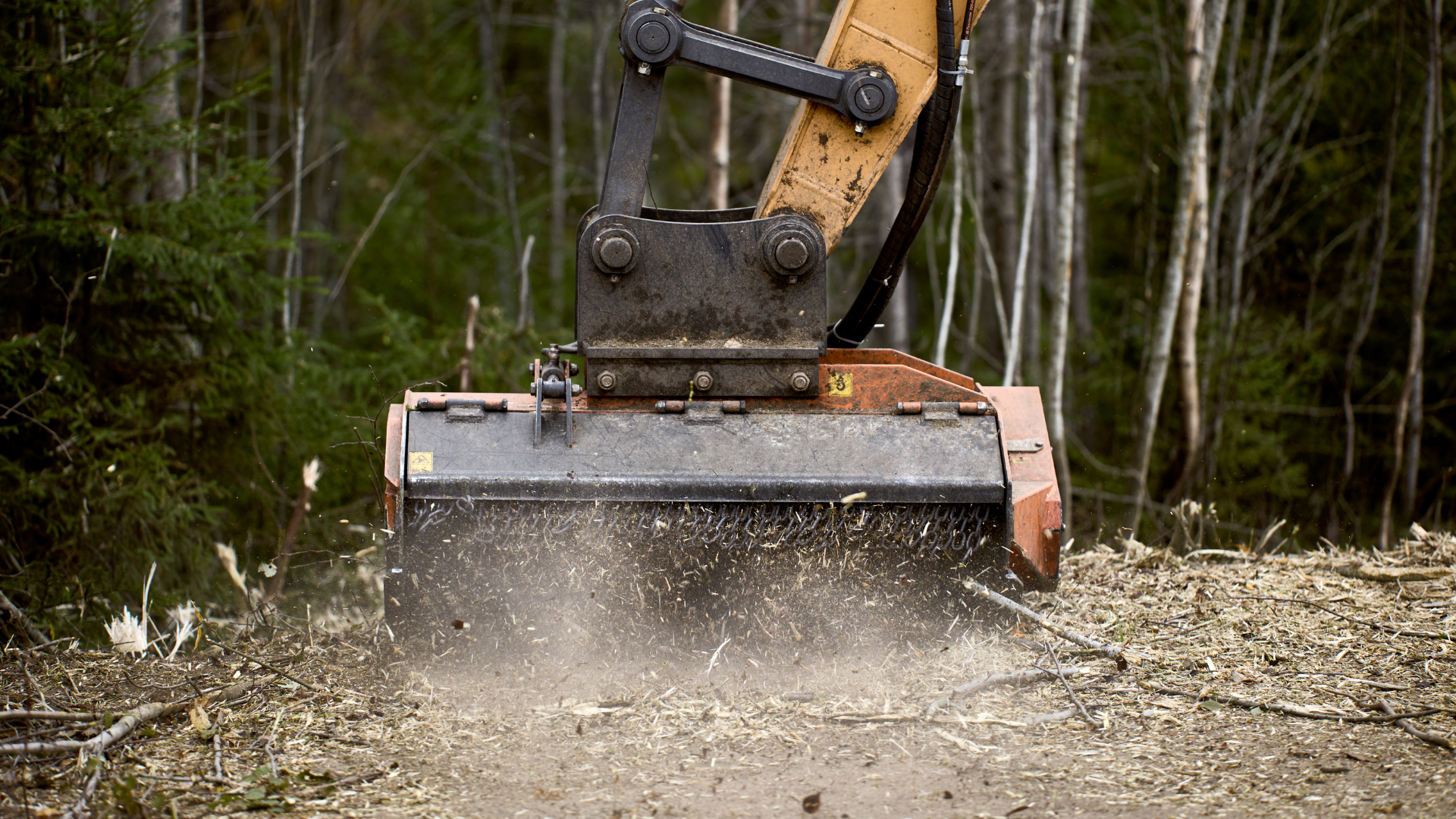
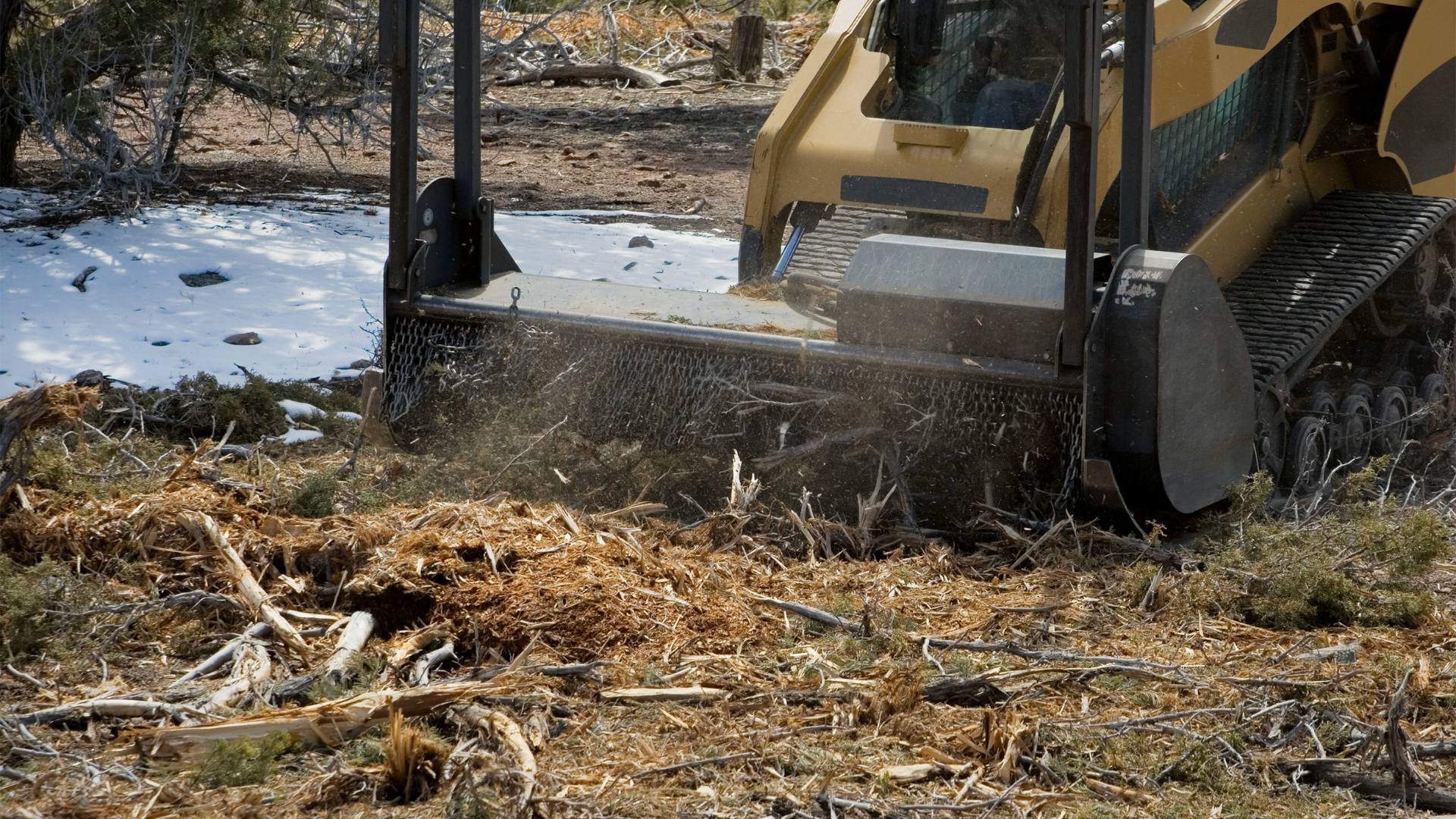
Residential lots on the CT Shoreline have neighbors, narrow driveways, and limited staging space. Traditional clearing on a dense lot means debris trucks, burn permits, and extended timelines. Forestry mulching processes everything on site in a single pass with a single machine, which means less road traffic, less noise duration, and less overall disruption to the property and the neighborhood.
The mulch does useful work.
The processed material is not waste. It is ground cover that:
- Prevents erosion from the first rain after clearing
- Retains soil moisture through the summer
- Returns nutrients to the soil as it decomposes
- Suppresses regrowth of the cleared vegetation
- Provides a stable surface for the next phase, whether that is lawn, landscaping, or simply open maintained space
When Traditional Clearing Is the Right Call
Forestry mulching fits most residential Shoreline clearing, but traditional clearing has a place, and honesty about that matters.
Traditional clearing is the right method when:
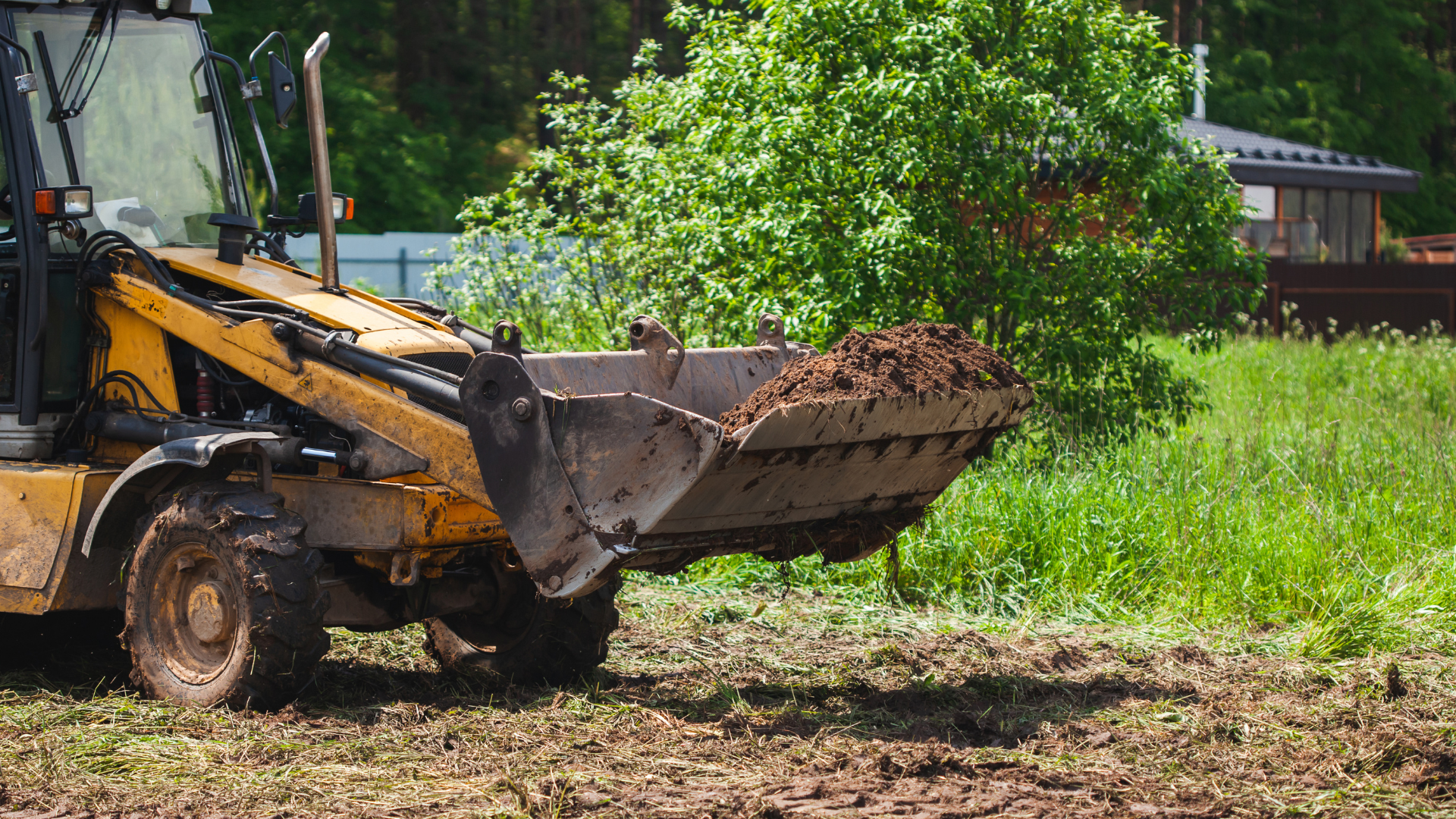
- The site needs full soil access. A building pad, foundation excavation, or hardscape installation needs the soil exposed and graded. Mulch on the ground gets in the way of those next steps.
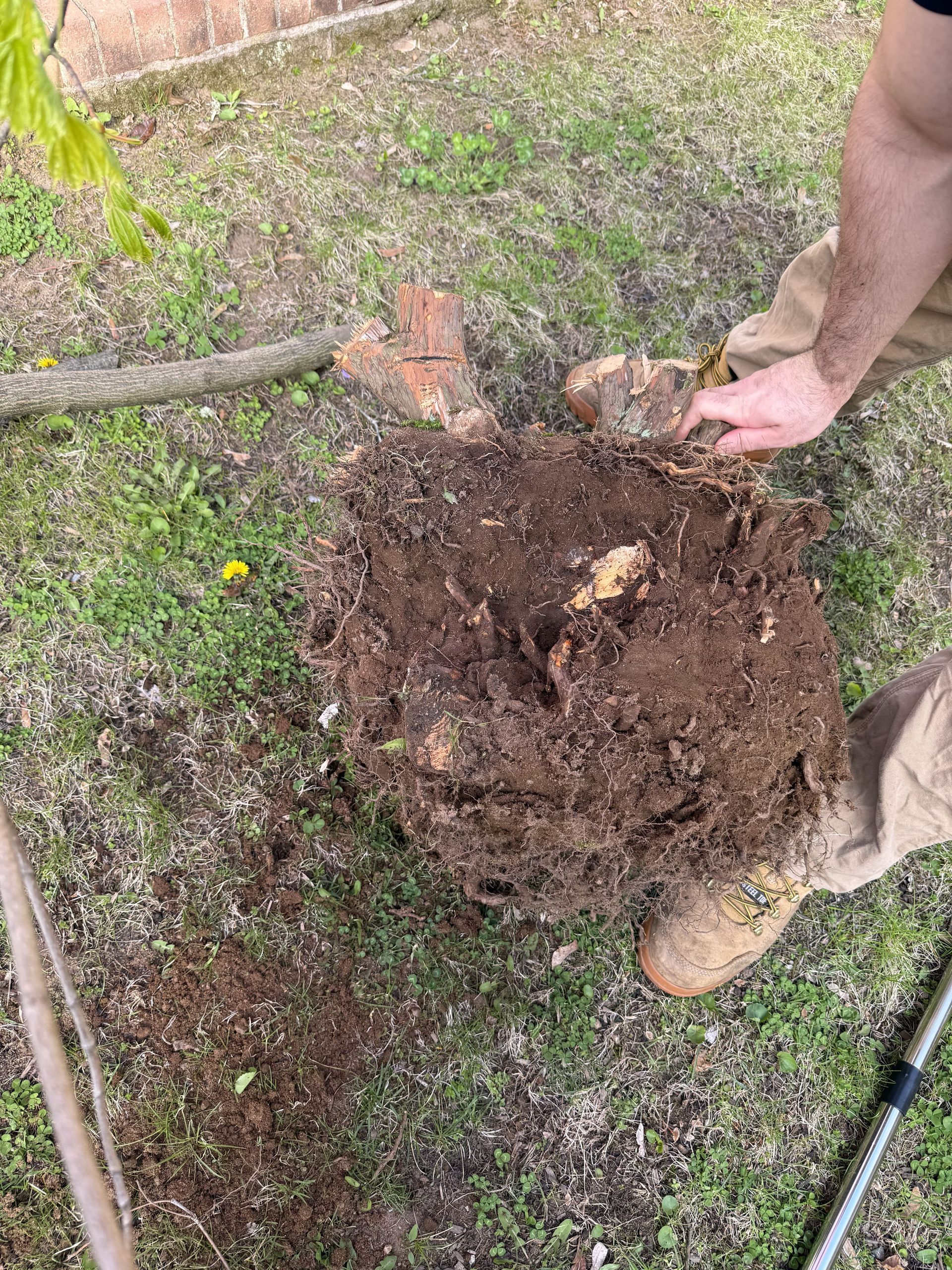
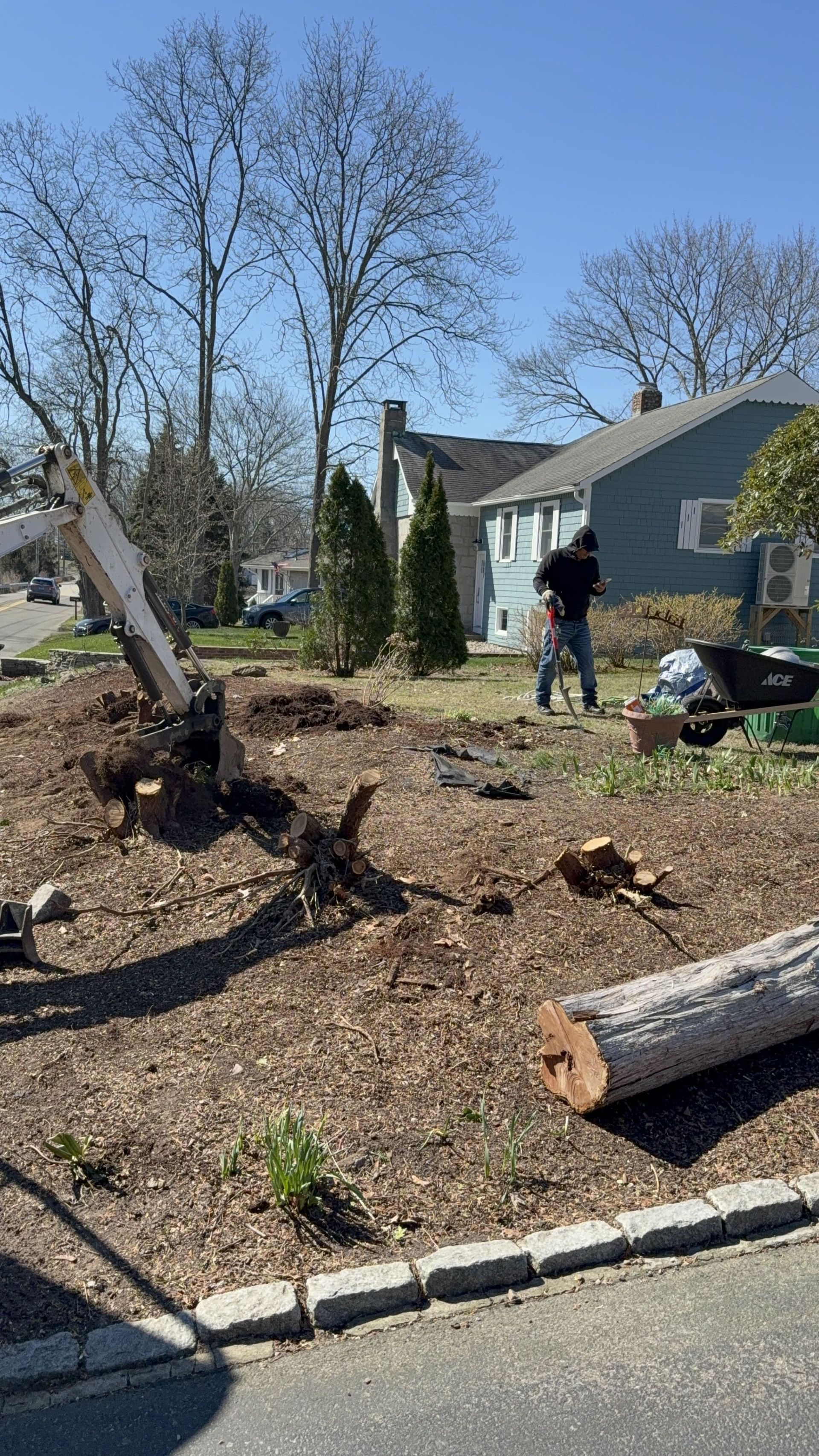
- Stumps and root balls must come out. Forestry mulching grinds stumps and vegetation at or just below grade, but it does not extract root balls. If the root system needs to be removed entirely for construction or grading, traditional excavation is required.
- The cleared material has value. Large hardwood logs that can be milled or sold as firewood have value that is lost when they are mulched. On properties with significant timber, selective harvesting before mulching the remaining brush can capture that value.
- Soil remediation is part of the project. If the clearing is preparation for soil amendment, regarding, or replacement, bare soil is the required starting condition.
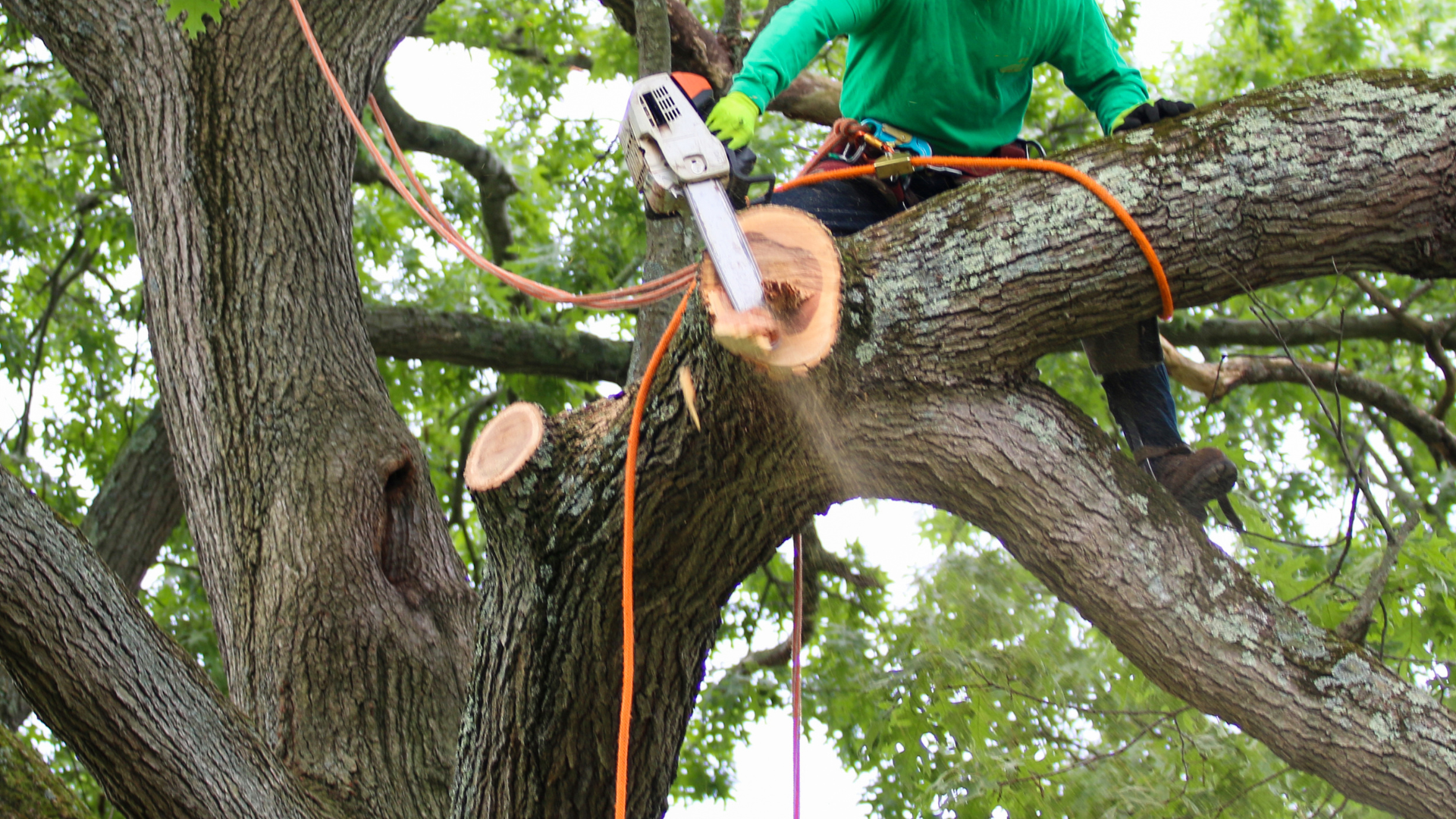
White Oak assesses every clearing job on site and recommends the method that fits the property and the plan. For jobs that need elements of both, the approaches can be combined: selective tree removal with haul-off for the larger material, followed by forestry mulching of the remaining brush and vegetation.
The Invasive Species Angle on CT Shoreline Properties
One of the most common triggers for clearing work on Connecticut Shoreline properties is invasive vegetation, and the clearing method matters to whether the invasives stay gone.
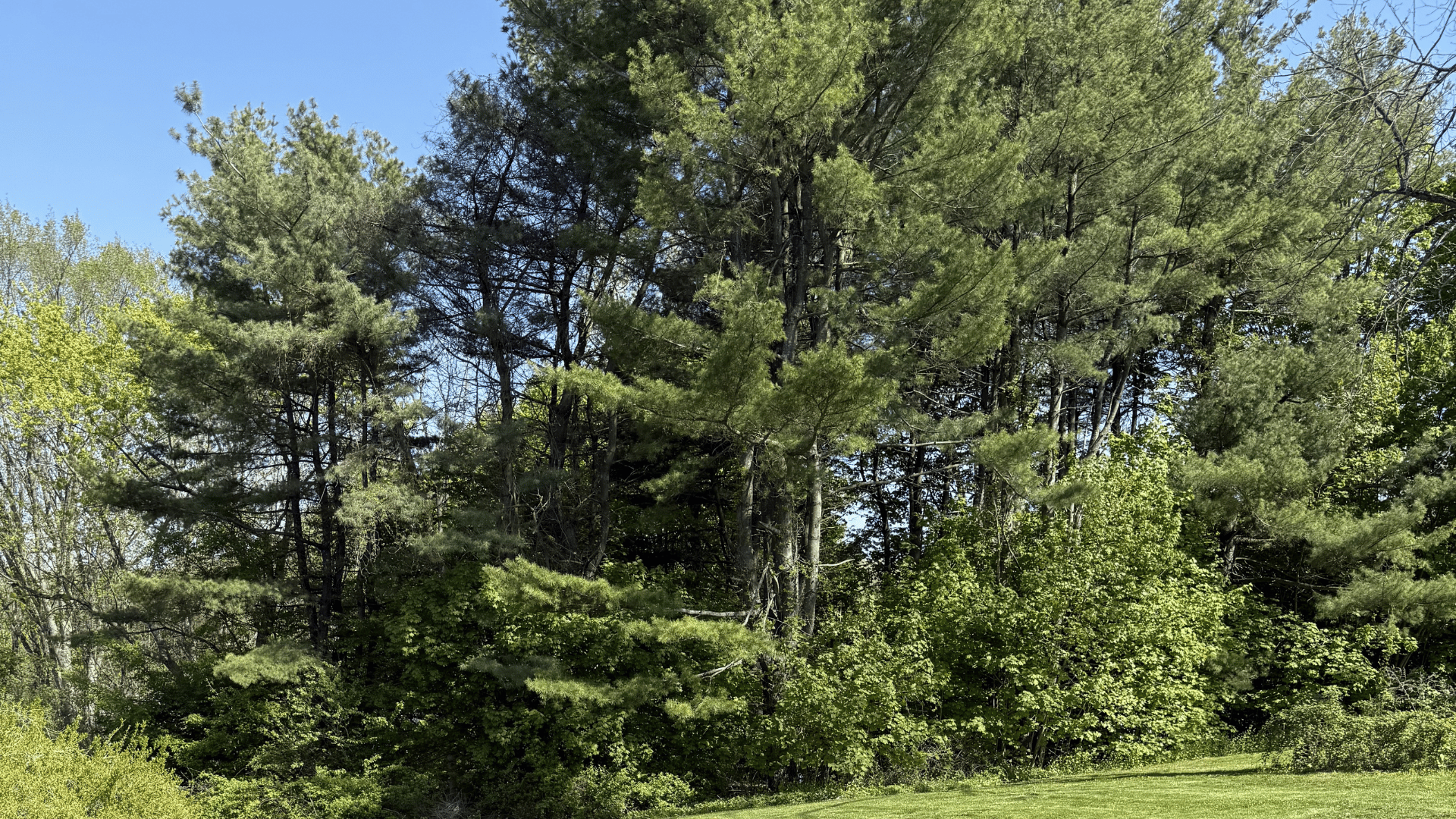
Japanese knotweed, oriental bittersweet, porcelain berry, phragmites, and autumn olive are actively damaging properties across the Shoreline. These species spread aggressively, crowd out native plants, damage foundations and hardscaping, and can reduce property values. Clearing them is the starting point, but how they are cleared affects regrowth potential.
Forestry mulching handles invasive brush effectively because the processed mulch layer suppresses regrowth by blocking light and smothering new shoots. Traditional clearing that leaves bare soil can actually accelerate invasive reestablishment, since many of these species colonize disturbed, exposed ground faster than native plants do.
For established invasive infestations that require follow-up treatment beyond clearing, White Oak coordinates mechanical clearing with appropriate management strategies to address the scope of the infestation rather than just the visible surface growth.
What a Clearing Project Looks Like With White Oak
Every clearing project starts with a walkthrough, because the scope, the method, and the plan for the space afterward all need to be established before any machine arrives.